What Happens During a 300+ Point Used Car Pre-Delivery Inspection?
- 1A 300 point inspection identifies structural repairs using paint depth gauges
- 2Mechanical assessments reveal internal engine wear and hidden cooling defects
- 3Advanced diagnostic tools detect electronic faults that dashboard lights miss
A comprehensive pre-delivery inspection is often described as the gold standard for assessing the actual health of the car. At one end, a standard car inspection ensures a car is legally roadworthy, but it does not delve into the intricate health of the mechanical and electronic systems.
On the other hand, a thorough 300+ point inspection, however, is designed to identify the subtle discrepancies that typically go unnoticed during a casual walkaround. Our inspection process is divided into several rigorous phases. Each phase focuses on a specific pillar of vehicle integrity.
Let’s understand how we, at Cars24, ensure absolutely transparent health statistics of a car.
The 300+ Points Comprehensive Inspection
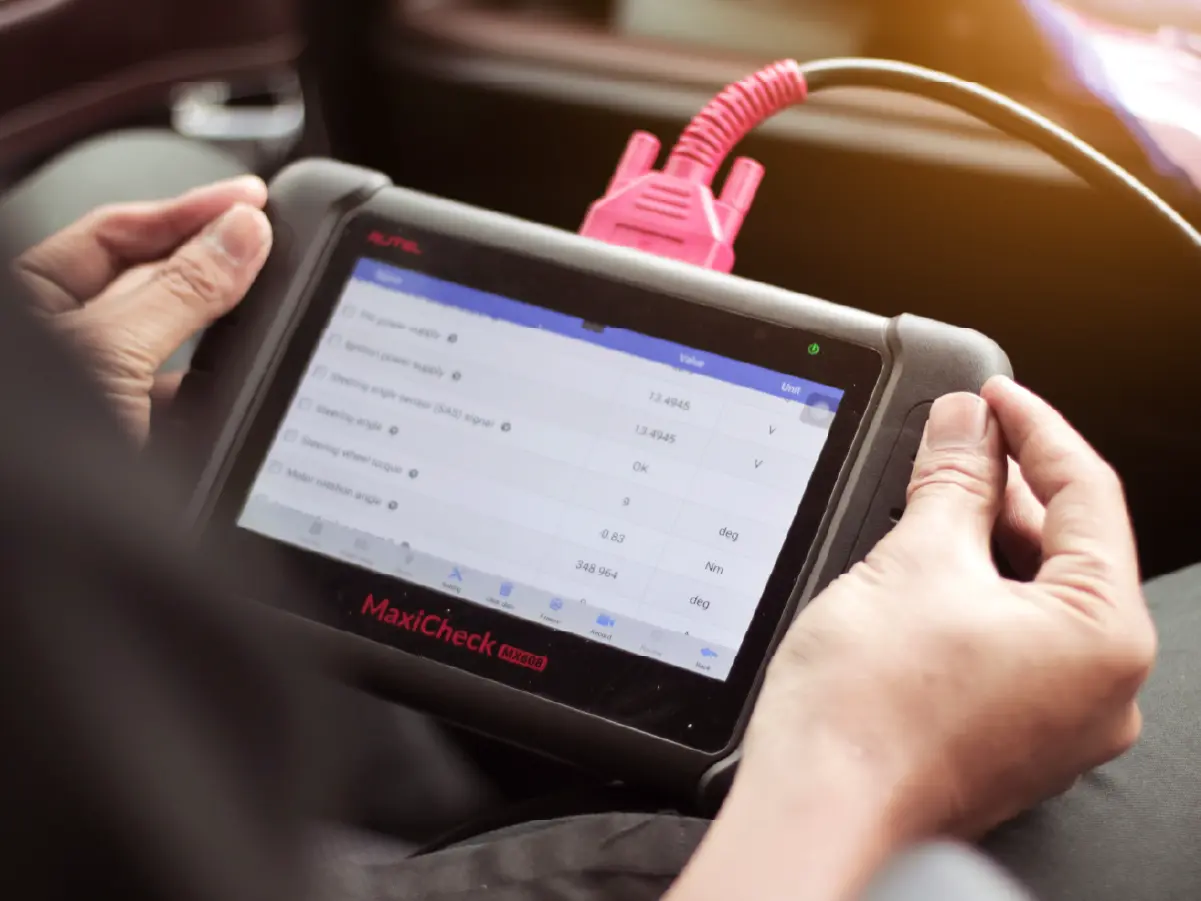
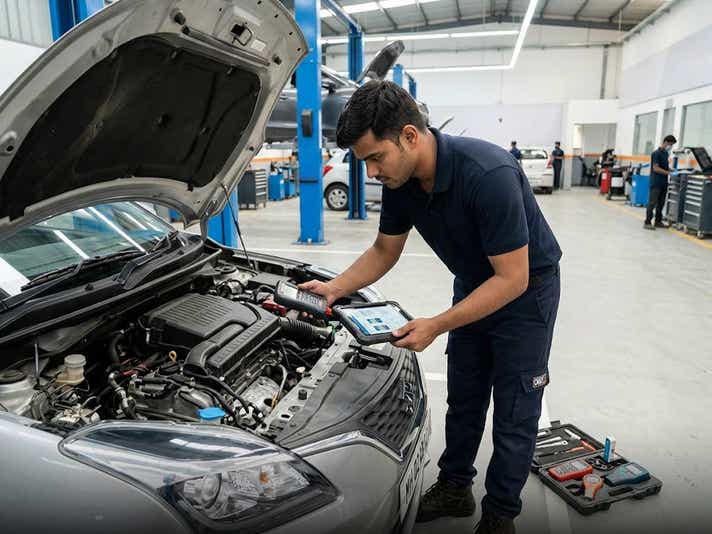
Our highly-trained car inspectors are fully equipped with the latest hi-tech inspection equipment. The used car inspection kit includes ECU scanners, Paint Thickness Gauges, and other important tools.
Mechanical and Drivetrain Assessment
Our used car inspection begins with the Mechanical and Drivetrain assessment. This phase ensures that all the components of the engine and the transmission are absolutely fine and are working as intended. Vibrations, unusual noises, gear shifts, engine sound, gaskets, belts and hoses, everything is checked with great detail. In addition to this, all the crucial fluids are also inspected.
Electrical and Diagnostic Phase
Next, the Electrical and Diagnostic phase utilises advanced On-Board Diagnostics tools to communicate with the vehicle’s computer. This step is crucial because modern cars can store ghost faults that do not trigger a dashboard warning light but indicate failing sensors or battery degradation. All the electrical elements, including headlights, tailights, indicators, hazard lamps, fog lamps, AC, infotainment system, etc., are tested to ensure full operational capacity.
Exterior and Structural Evaluation
After it comes the Exterior and Structural evaluation. It is also among the most technical parts of the inspection process. Our car inspectors use digital paint thickness gauges on all exterior body panels. The device can detect areas that have been repainted after an accident.
Furthermore, they are also tasked with the complete examination of the chassis and underbody for structural repairs or rust. If the panel gaps are found to be uneven can tell a lot about the car’s previous accidental repairs.
Safety Check
Finally, the Safety and Interior check covers the high-wear items. This includes an exhaustive look at the braking system, the suspension components, and the tyre health. Inside the cabin, seatbelt tensioners, airbag sensors, and the general condition of the upholstery are verified to meet safety standards.
Documentation
The final phase of the pre-delivery inspection consists of the evaluation of all the documents and paperwork related ot the car. This list includes the Registration Certificate, Original Retail Invoice, Insurance Policy, Pollution Under Control Certificate, and No Due Certificate from the Bank in case of Hypothecation.
In addition to the legal documents, we all look for complete service records, including all the service invoices, repair bills, insurance claims, and other repair bills if repairs were done by other workshops.
The Statistical Breakdown of Inspection Failures
The value of our exhaustive inspection process is best understood through the failure rates identified during the used car inspections. Our data reveals that a significant portion of used cars entering the market carry undisclosed defects.
| Inspection Category | Typical Failure Rate | Common Underlying Issue |
| Exterior & Bodywork | 25% | Undisclosed accidental repairs or repainting |
| Mechanical Systems | 25% | Engine oil leaks or cooling system defects |
| Electrical & Sensors | 15% | Faulty parking sensors or stored OBD error codes |
| Safety Components | 45% | Excessive tyre wear or aged rubber compounds |
These figures demonstrate that nearly half of all inspected vehicles possess a safety-related concern, usually involving the tyres. Furthermore, the one in four failure rate for bodywork highlights how frequently accidental history is omitted from sales listings.
The 300+ Inspection Process in Practice
Our professional car inspectors are trained to follow a systematic path around and through the car to ensure no point is missed during an inspection. They start the assessment under the bonnet while the engine is cold, allowing for a clear view of leaks that might evaporate once the car is warm.
Once the static checks are completed, the inspector then conducts a road test. This is where the suspension, steering alignment, and braking performance are evaluated under real-world conditions.
Throughout the inspection, the car inspector takes high-resolution photos of the components in question. All these photos are required to be published in the digital inspection report that will be attached to the car.
The final result is a detailed report that categorises findings into critical safety risks, recommended repairs, and detailed cosmetic observations. This document provides the buyer with the leverage needed to negotiate a fair price or request that specific faults be rectified before they take delivery.
Conclusion
Our 300+ point inspection is not merely a checklist but a defensive measure against the uncertainties of the used car market. As you shift your focus from shiny exterior paint to the technical data, your chance to get a reliable used car increases manyfold.
A thorough used car inspection ensures that you are fully informed about the car’s true condition. Whether the car is three years old or ten, the data consistently shows that a thorough professional assessment is the only way to guarantee a safe and reliable investment.
Frequently Asked Questions
Expand all