Can Traffic Police Suspend Your Driving Licence? Rules, Rights, and Appeal Process
- 1Police can seize your DL card, but only RTOs can suspend it legally
- 2Ignoring a show-cause notice can lead to automatic licence suspension
- 3Driving with a suspended DL can void your motor insurance coverage
- Understanding the Legal Differences: DL Suspension, Cancellation, and Seizure
- Key Offences That Trigger Immediate DL Suspension:
- Step-by-Step: The Official Driving Licence Suspension Process
- Know Your Rights When Your Driving Licence is Seized
- How to Appeal a Driving Licence Suspension
- Reclaiming Your Driving Privileges: What Happens After a Suspension Ends?
- Common Traffic Offences and Their DL Suspension Periods
- The Hidden Consequence: How a Suspended DL Impacts Your Motor Insurance
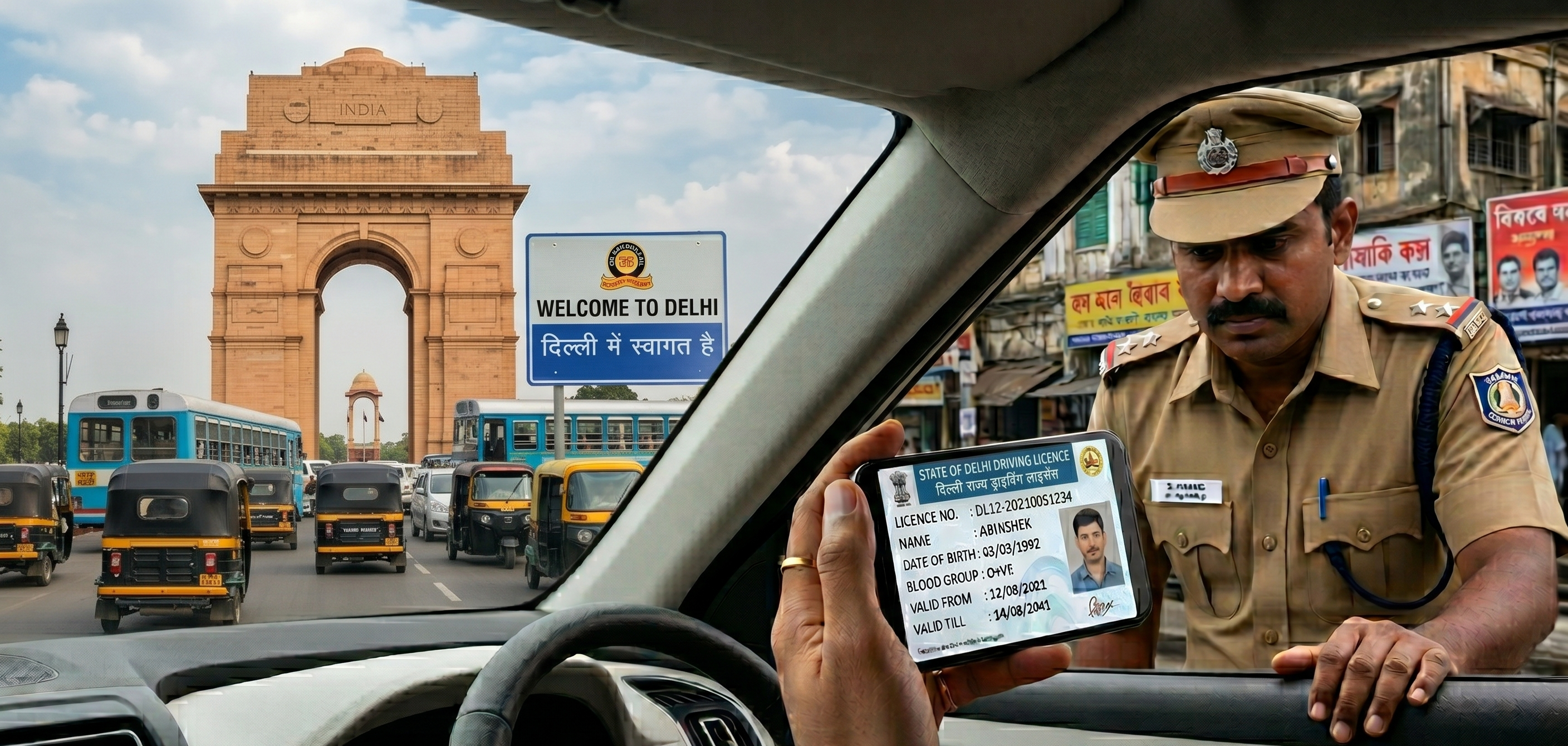
Being flagged down by the traffic police is stressful enough, but hearing an officer state that your driving licence (DL) is being seized, or worse, suspended, can instantly turn that anxiety into panic. However, before you surrender your physical smart card and assume the worst, it is crucial to know exactly where you stand legally.
Many Indian motorists are unaware of the strict boundaries regarding police authority, often confusing an on-the-spot physical confiscation with a formal legal suspension. Knowing your rights and the limits of enforcement powers can make all the difference when navigating an unexpected traffic stop.
This comprehensive guide breaks down the legal framework of the Motor Vehicles Act to clarify the critical differences between DL suspension, cancellation, and seizure. Read on to understand your fundamental rights during a confiscation, the exact traffic offences that trigger a suspension, the duration of these penalties, and the step-by-step legal process to appeal a decision and get your driving privileges back.
Understanding the Legal Differences: DL Suspension, Cancellation, and Seizure
While often used interchangeably by motorists, driving licence (DL) suspension, cancellation, and seizure carry very distinct legal definitions under the Motor Vehicles Act, 1988 (and its subsequent amendments). Understanding these differences is crucial to knowing your rights on the road.
Driving Licence Suspension: A Temporary Pause
A DL suspension is a temporary withdrawal of your right to drive for a specific, predetermined period. You cannot legally operate a vehicle while the suspension is active. However, once that timeframe expires, your driving privileges are automatically reinstated. This is the most common penal action taken in India and is officially ordered by either your local Regional Transport Office (RTO) or a court of law.
Driving Licence Cancellation: The Point of No Return
Cancellation is a far more severe penalty than suspension. A cancelled DL results in the permanent disqualification of your driving privileges. Unlike a suspension, a cancelled licence is voided forever and cannot be reinstated.
Because of its severity, cancellation is reserved for grave circumstances, such as repeated drunk driving convictions, causing fatal accidents due to severe negligence, or acquiring the licence through fraudulent documents. To legally drive again, you must wait out a mandatory disqualification period and then undergo the entire process of applying for a fresh driving licence from scratch.
Driving Licence Seizure: Physical Confiscation
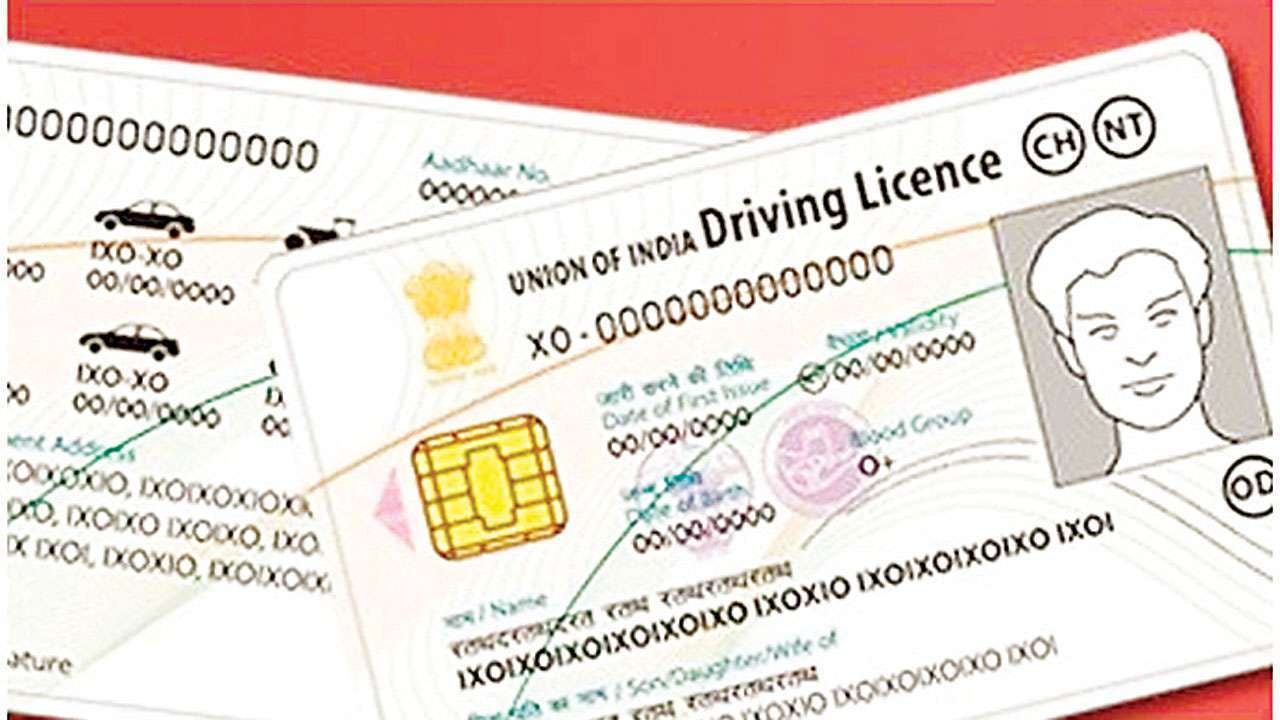
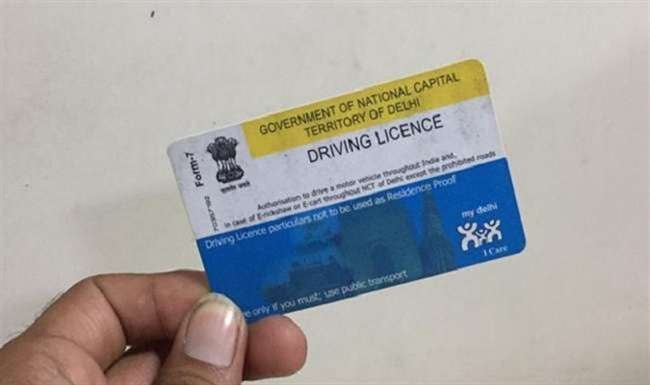
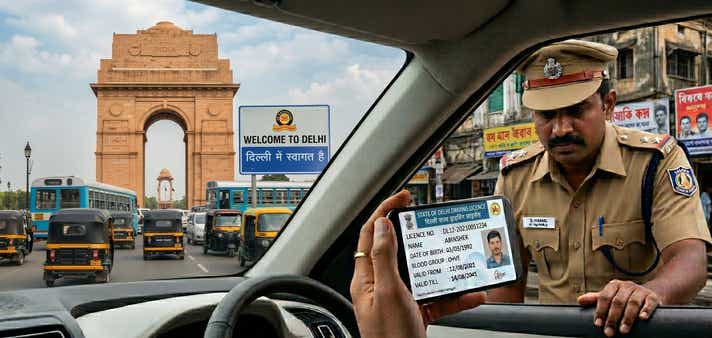
A DL seizure (or confiscation) occurs when a traffic police officer physically takes possession of your driving licence card, typically at a checkpoint or accident scene.
The critical distinction: A police officer seizing your physical card does not automatically mean your legal right to drive is suspended. Traffic police have the authority to seize the document pending an inquiry,and will typically issue a challan or official receipt that serves as temporary proof of your driving status,but the formal legal order to suspend or cancel your driving rights can only come from the licensing authority (RTO) or a magistrate. What matters in the eyes of the law is the formal RTO order, not the physical confiscation of the card on the street.
Legal Grounds for DL Suspension Under the Motor Vehicles Act
The Motor Vehicles Act, 1988, outlines strict provisions that empower authorities to suspend or entirely revoke driving privileges. To ensure road safety, the law divides these powers between the licensing authorities (RTOs) and the courts. Here is how the legal framework operates:
- Section 19 (RTO’s Power to Suspend or Revoke): This empowers the licensing authority to disqualify a driver or revoke their licence. This action is taken if the driver is deemed a danger to the public (due to reckless behavior), suffers from a physical or mental disability that prevents safe driving, or used the vehicle to commit a cognisable offence.
- Section 20 (Court-Ordered Disqualification): When a driver is formally convicted of a severe traffic offence, the presiding court has the authority to disqualify them from holding a driving licence—either for a set period or permanently, as part of the judicial sentence.
- Section 21 (Suspension in Severe Accidents): Specifically targeting dangerous driving, this section dictates that if a driver is charged with causing death or grievous injury due to reckless driving, their licence is automatically suspended until the legal trial concludes.
- Section 22 (Suspension on Conviction): This mandates the suspension or cancellation of a driving licence upon conviction for specific, high-risk offences, such as illegal racing on public roads or using an unregistered transport vehicle.
Permanent Disqualification (Cancellation): While standard suspensions are temporary, extreme circumstances warrant a lifetime ban. Authorities reserve permanent cancellation for the most egregious offences, such as culpable homicide involving a vehicle, fatal hit-and-runs, and repeat drunk driving convictions.
Key Offences That Trigger Immediate DL Suspension:
Regardless of the specific section applied, the following violations are the most common triggers for suspension or cancellation in India:
- Driving Under the Influence (DUI): Drunk driving or driving under the influence of narcotics (both first-time and repeat offences).
- Reckless & Dangerous Driving: Driving at excessive speeds or in a manner that threatens public safety, especially if it causes bodily harm.
- Racing: Participating in illegal speed trials or street racing on public roads.
- Criminal Use of a Vehicle: Using a motor vehicle to commit a cognisable crime, including theft or fleeing the scene of an accident (hit-and-run).
- Licence Class Violations: Operating a vehicle class not authorized by your current licence (e.g., driving a heavy commercial truck with a light motor vehicle licence).
- Document Fraud: Submitting forged documents or false information to the RTO to obtain a driving licence.
Repeat Traffic Violations: Accumulating multiple severe infractions, such as repeatedly jumping red lights or using a mobile phone while driving, which can now lead to suspension under Supreme Court road safety guidelines.
Step-by-Step: The Official Driving Licence Suspension Process
Understanding the exact administrative workflow of a licence suspension is vital. It helps you recognise where your legal rights apply and how you can legally defend yourself before a final decision is made.
Here is the standard procedure authorities follow to suspend a driving licence:
1. The Trigger (Offence Recorded)
The process begins when a traffic violation is caught on camera, physically witnessed by an officer, or when an accident triggers a formal police investigation.
2. Official Documentation (Challan or FIR)
For standard traffic violations, an e-challan is issued against your vehicle or licence. For severe criminal offences (like hit-and-run or fatal accidents), a First Information Report (FIR) is registered by the police. You can check e-challans online.
3. Recommendation Sent to the RTO
Traffic police do not have the direct power to suspend your licence. Instead, they forward a formal recommendation of suspension, along with the challan/FIR details, to your issuing Regional Transport Office (RTO).
4. The Show-Cause Notice (Your Legal Right)
Before taking action, the RTO is legally obligated to send you a "Show-Cause Notice." This document formally asks you to explain why your driving privileges should not be suspended. This is the most critical step for your rights, as it provides your window to respond and defend yourself.
5. The Hearing
You have the right to present your case or provide evidence to the licensing authority. Crucial note: If you ignore the show-cause notice and fail to respond or appear, the RTO will pass an ex parte (one-sided) order and automatically suspend your licence.
6. Formal Suspension Order
If your defense is rejected, or if the offence is severe and undeniable, the RTO issues a formal suspension order. This document explicitly states the exact start and end dates of your driving ban.
7. Digital Flagging (Sarathi Database)
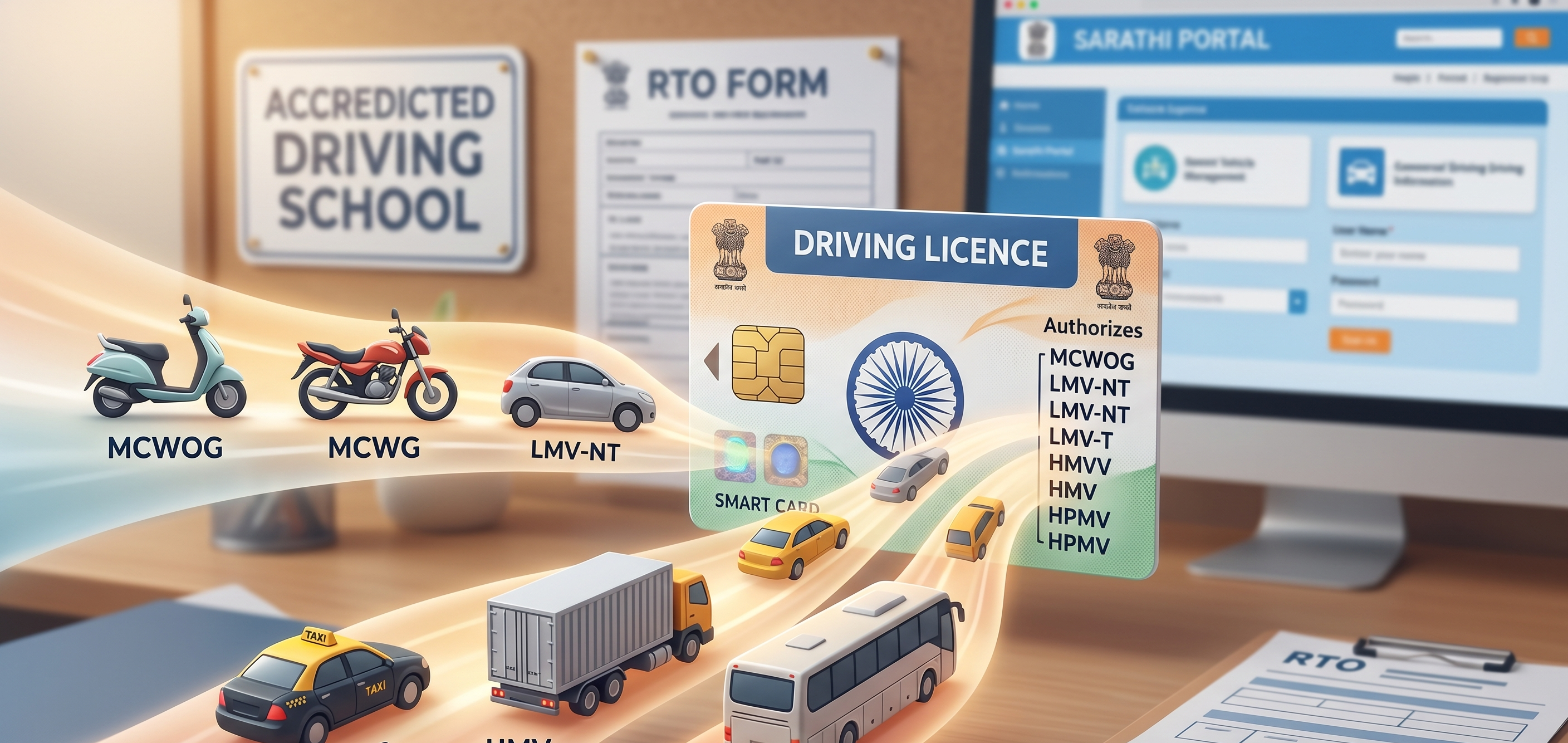
Finally, your DL status is updated to "Suspended" on the national Parivahan/Sarathi portal. Because this database is centralized, any traffic officer across India can immediately see your suspended status if they check your licence number during a routine stop.
Know Your Rights When Your Driving Licence is Seized
Having your driving licence confiscated by the traffic police can be an intimidating experience. However, it is vital to remember that you retain specific legal rights on the spot and throughout the administrative process. Here is what you need to know:
- The Right to an Official Receipt: You should never surrender your physical driving licence without receiving formal documentation in return. The on-duty officer is legally required to provide a seizure receipt (which is often integrated into the challan). This acknowledgement must clearly state the officer's name, the date, the time, and the exact reason for the confiscation.
- The Right to Know the Charges: An officer cannot seize your licence arbitrarily. You have the fundamental right to be informed of the specific traffic violation, legal grounds, or pending investigation that justifies taking your card.
- The Right to Continue Driving (Temporarily): This is a critical distinction. Physical confiscation of the card is not a legal suspension. In most cases across India, your official seizure receipt or challan serves as a temporary driving permit (usually valid for a specified number of days) until you resolve the matter at the RTO or court. Your actual driving privileges remain intact until a formal suspension order is passed.
- The Right to a Fair Hearing: Your licence cannot be suspended in the background without your knowledge. The law mandates that the RTO give you a fair opportunity to respond to a show-cause notice and present your defense before any suspension order is finalized.
- The Right to Appeal: If your licence is officially suspended and you believe the order is legally or procedurally flawed, you have recourse. Under the Motor Vehicles Act, you can formally challenge the decision before a designated Appellate Authority within 30 days of the order. If the issue remains unresolved, you can further escalate the matter to a magistrate's court or the High Court.
How to Appeal a Driving Licence Suspension
If your driving licence has been suspended and you believe the decision is unjust, factually incorrect, or procedurally flawed, you have the legal right to challenge it. Here is the formal process to file an appeal:
1. Procure the Official Order
You cannot appeal a verbal statement or a digital status. You must obtain a physical or certified digital copy of the formal suspension order from your issuing RTO. You are legally entitled to this document, which will state the exact statutes used against you.
2. File Within the 30-Day Deadline
For administrative suspensions issued by the RTO, you must file your appeal with the designated State Appellate Authority (typically the Transport Commissioner or Joint/Deputy Commissioner). Crucially, this must be done within 30 days of receiving the suspension order.
3. State Clear Legal Grounds
Your appeal cannot simply be an apology; it must be based on solid legal or factual grounds. You must clearly demonstrate why the order is invalid. Common grounds include:
- Procedural Errors: E.g., The RTO failed to issue a show-cause notice before suspending the licence.
- Factual Inaccuracies: E.g., You can prove you were not the person driving the vehicle.
Disproportionate Penalty: E.g., The length of the suspension far exceeds standard penalties for the specific minor violation.
4. Escalate Court-Ordered Suspensions Separately
If your licence was suspended by a judge as part of a legal sentencing (under Section 20), the Transport Commissioner cannot help you. You must file your appeal within the judicial system, escalating to the Sessions Court or the High Court, depending on which court issued the original ruling.
5. Consider Legal Representation
For minor administrative errors, you can often represent yourself. However, if the suspension involves serious criminal charges (like DUI or fatal accidents) or if driving is essential to your livelihood, it is highly recommended to engage an advocate who specializes in motor vehicle law.
Expected Timelines: Administrative appeals handled by the Transport Commissioner are typically resolved within 30 to 60 days. Appeals moving through the court system, however, are subject to judicial backlogs and can take significantly longer.
Reclaiming Your Driving Privileges: What Happens After a Suspension Ends?
Once your mandated suspension period is officially over, getting your driving licence back is generally a straightforward process. However, a digital reinstatement is different from getting your physical card back. Here is the step-by-step process:
1. Automatic Digital Reinstatement
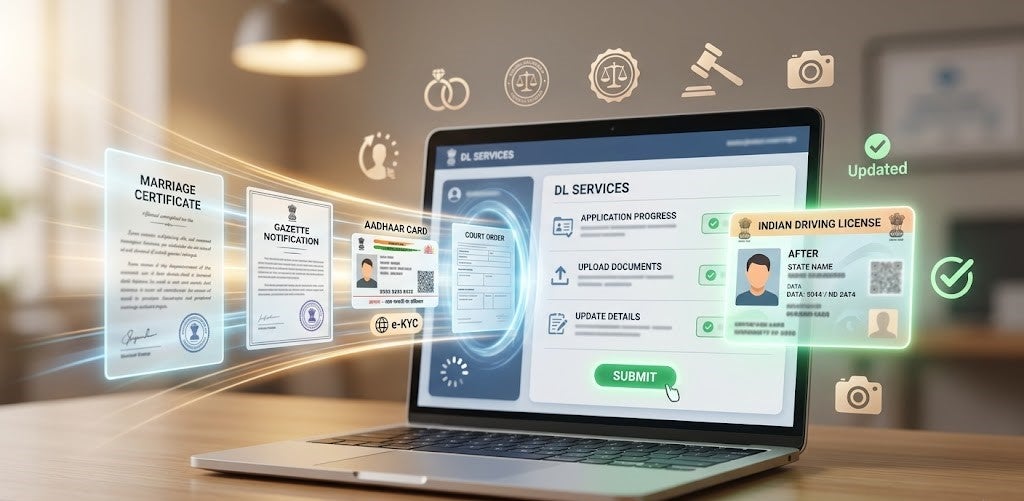
You do not typically need to file a formal application just to end a temporary suspension. The exact start and end dates are pre-fed into the central Sarathi database. The moment the suspension period expires, the system automatically drops the "Suspended" flag and reactivates your driving privileges digitally.
2. Verify Your Status Online First
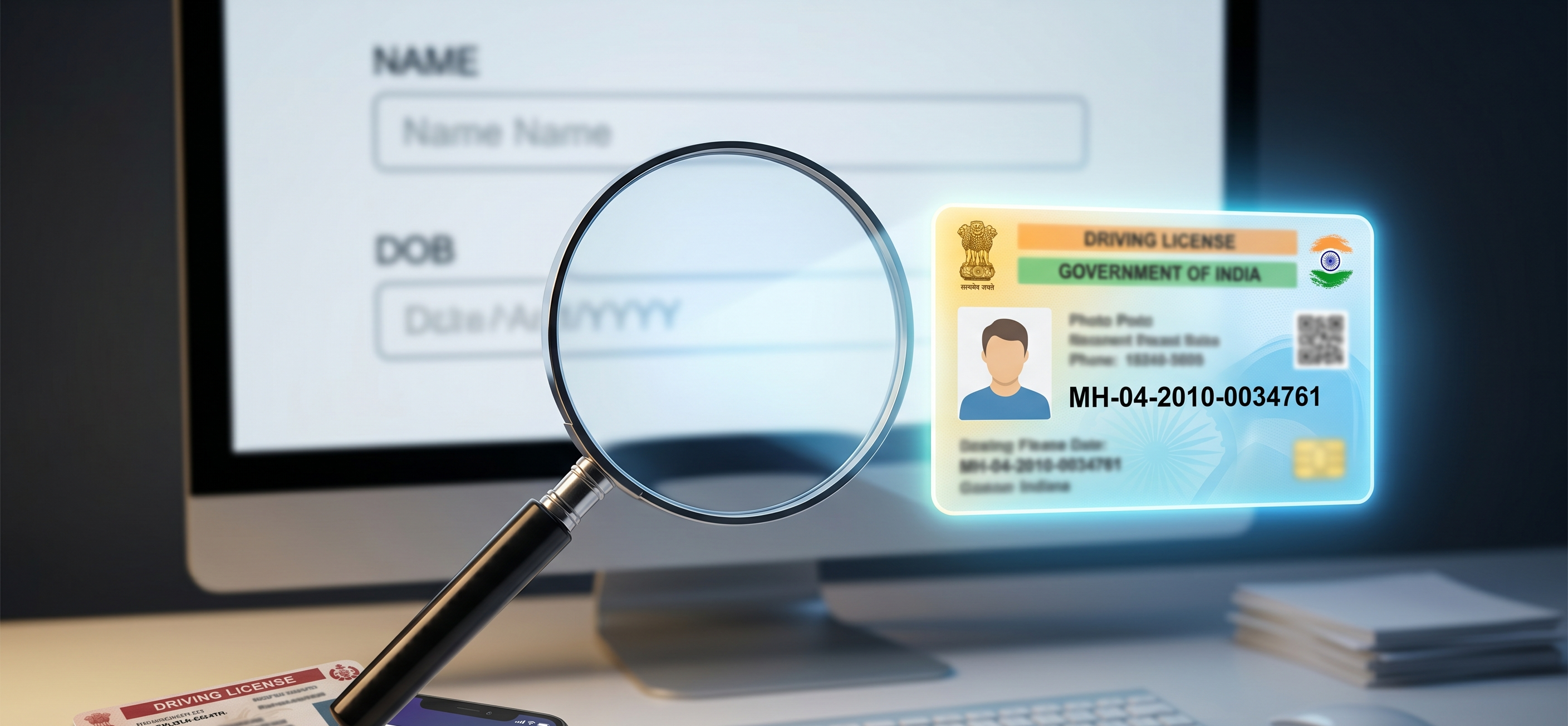
Before you get behind the wheel, always verify that the digital system has actually updated. Check your virtual DL profile on the mParivahan or DigiLocker smartphone apps. It can occasionally take a few working days for the database to sync and reflect an "Active" status. You can also manually verify this by checking the 'DL Status' tab on the official Parivahan Sewa website.
3. Retrieving Your Physical Card
If the traffic police or the RTO physically confiscated your smart card, it will not be automatically mailed back to your address. You must physically visit the RTO where it was surrendered. You will need to present your original seizure receipt (or challan) alongside a copy of the formal suspension order to request the return of your card.
4. The Backup Plan: Applying for a Duplicate
Practically speaking, if your card has been sitting in an RTO filing cabinet for six months, there is a chance it may have been misplaced. If the Parivahan database clearly shows your suspension is lifted and your licence is active, but the RTO cannot locate your physical card, you can easily apply for a "Duplicate DL" online through the Sarathi portal using your existing licence number..
5. The Absolute Rule for Cancelled Licences
It is vital to remember that the steps above only apply to temporary suspensions. If your driving licence was permanently cancelled or revoked, there is absolutely no reinstatement route. Once any court-mandated disqualification period has elapsed, your old licence number is dead. You must apply for a brand new Learner's Licence and pass the driving test all over again.
Common Traffic Offences and Their DL Suspension Periods
While the exact duration of a driving licence suspension can vary based on the presiding RTO or judicial ruling, the Motor Vehicles Act—coupled with Supreme Court road safety mandates—establishes strict baseline penalties for severe infractions.
Here is a breakdown of the most common violations and the typical suspension timelines you can expect:
| Traffic Offence | First Offence Suspension | Repeat Offence Suspension |
Drunk Driving (DUI)
(Blood alcohol exceeding 30mg/100ml) | 6 Months (Minimum 3 months mandated by SC) | Up to 2 Years or Permanent Revocation |
Dangerous Driving
(Causing grievous bodily hurt) | 1 to 6 Months | Up to 2 Years or Permanent Revocation |
Causing Death by Negligence
(Fatal accidents / Vehicular manslaughter) | Discretionary (Suspended pending court trial) | Lifetime Disqualification |
Racing & Speed Trials
(Illegal racing on public roads) | 1 to 3 Months | 1 Year to Permanent Revocation |
Criminal Use of a Vehicle
(e.g., Hit-and-run, smuggling, theft) | Suspended (Pending police investigation) | Permanent Cancellation |
Driving While Suspended
(Violating an active suspension order) | Additional 2 Years (Minimum) | Permanent Revocation |
Severe Traffic Violations
(Repeated overspeeding, jumping red lights, mobile phone use) | Minimum 3 Months (Supreme Court mandate) | Up to 1 Year |
A Crucial Note on Enforcement:
The penalty of DL suspension for drunk driving is among the most aggressively enforced traffic laws across India. Metropolitan traffic police in cities like Delhi, Mumbai, and Bengaluru run dedicated, year-round anti-DUI campaigns, resulting in immediate, on-the-spot licence confiscations and zero-tolerance suspension orders.
The Hidden Consequence: How a Suspended DL Impacts Your Motor Insurance
While the legal penalties of driving with a suspended licence are severe, the financial consequences can be completely devastating. One of the most critical, yet frequently overlooked, aspects of a driving licence suspension is its direct impact on your motor insurance policy.
Under the guidelines set by the Insurance Regulatory and Development Authority of India (IRDAI) and the Motor Vehicles Act, holding a valid, active driving licence is a mandatory precondition for any motor insurance coverage.
Here is what happens to your insurance if your driving privileges are suspended:
- Total Rejection of 'Own Damage' Claims: If you are involved in an accident while driving with a suspended or cancelled licence, your insurance provider will outright reject your claim. You will be forced to pay for all vehicle repairs out of your own pocket, regardless of how comprehensive your insurance policy is.
- Zero Third-Party Liability Coverage: This is the most dangerous financial trap. If you injure a pedestrian, damage someone else's vehicle, or cause a fatal accident while under suspension, your insurance company is not legally bound to cover the third-party compensation. The Motor Accident Claims Tribunal (MACT) can order you to personally pay lakhs or even crores in compensation.
- The "Seized vs. Suspended" Distinction Matters Here: It is vital to remember the difference discussed earlier. If a traffic officer seized your physical card but you have a valid receipt/challan (and no formal suspension order has been passed), your insurance remains valid. However, the very second your status updates to "Suspended" in the Sarathi database, your insurance coverage effectively vanishes if you choose to get behind the wheel.
Policy Renewal Complications: If an insurance company discovers a history of severe suspensions (such as multiple DUI convictions), they may flag you as a high-risk driver. This can lead to significantly higher premiums during policy renewal, or in extreme cases, a refusal to renew your comprehensive coverage.
A driving licence suspension doesn't just legally bar you from driving; it instantly voids the financial safety net of your motor insurance. If your licence is suspended, never take the risk of driving "just a short distance.
Frequently Asked Questions
Expand all