How to Add Vehicle Class to Driving Licence in India: Full DL Endorsement Guide
- 1Adding a new vehicle class usually requires a fresh LL and driving test
- 2LMV to HMV upgrades need 1-year LMV holding plus formal training
- 3Commercial DL endorsements follow different validity and fee rules
- Understanding DL Endorsement: Adding a Vehicle Class
- Frequent Vehicle Class Addition Combinations
- Criteria and Eligibility for Adding a Vehicle Class
- Is a New Driving Test Mandatory for DL Endorsement?
- Online Application Process for DL Endorsement via Parivahan
- Essential Paperwork for DL Endorsement
- What Happens to Your Existing DL Validity and Physical Card?
- Cost Structure for Adding a Vehicle Class
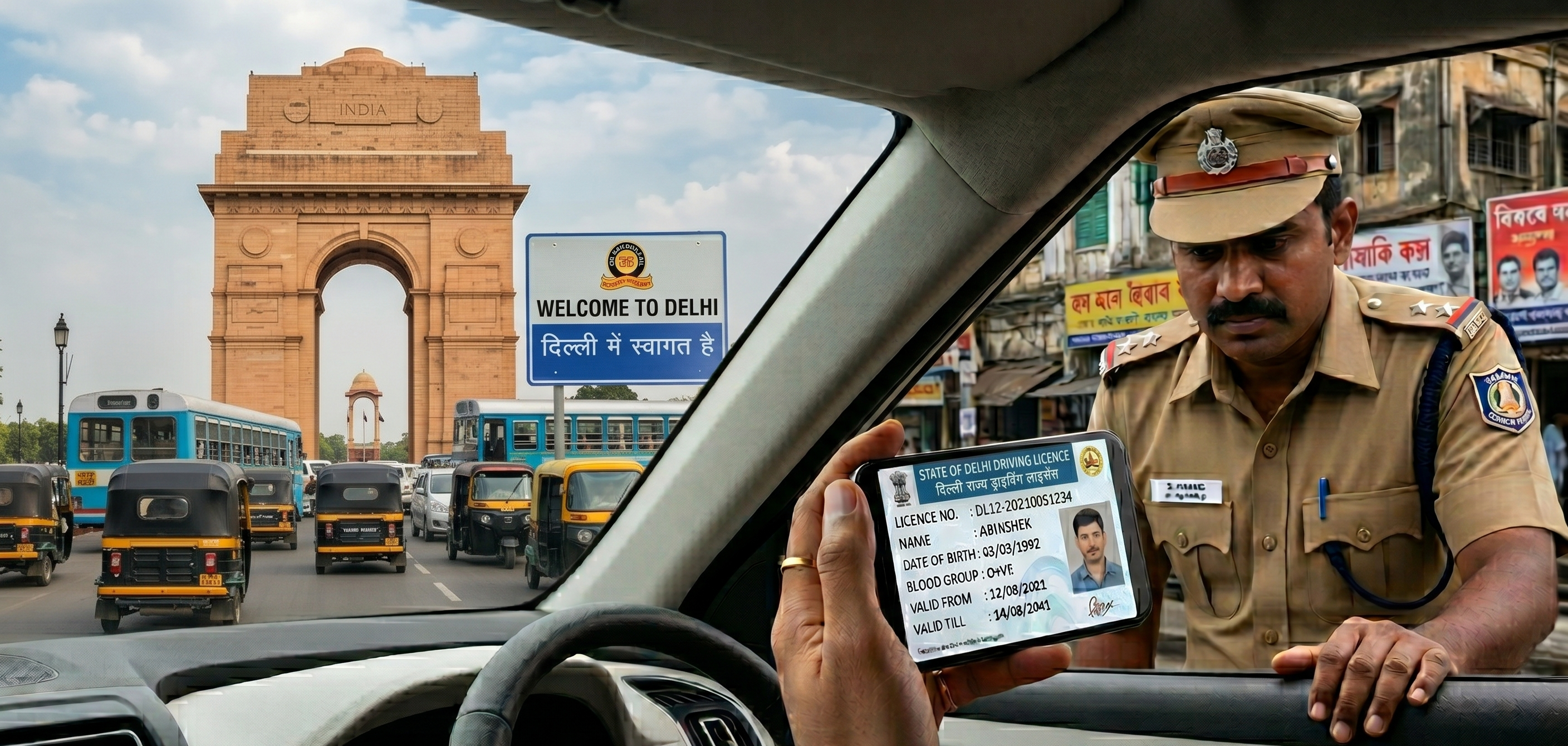
Every driver usually starts their journey with a single authorisation, often a two-wheeler licence at 18 or a standard car permit later in life. However, as your personal or professional mobility needs evolve, you may find yourself needing to upgrade from a bike to a car, or even transition into driving a commercial truck. Fortunately, expanding your legal driving privileges does not mean starting from scratch with a brand new application. All you need to do to add a vehicle class to your driving licence is apply for an official DL endorsement.
This comprehensive guide covers everything you need to know about adding a vehicle class to a driving licence in India. Read on to understand exactly what the endorsement process entails, the most frequent vehicle combinations, and a step-by-step walkthrough for applying online.
Understanding DL Endorsement: Adding a Vehicle Class
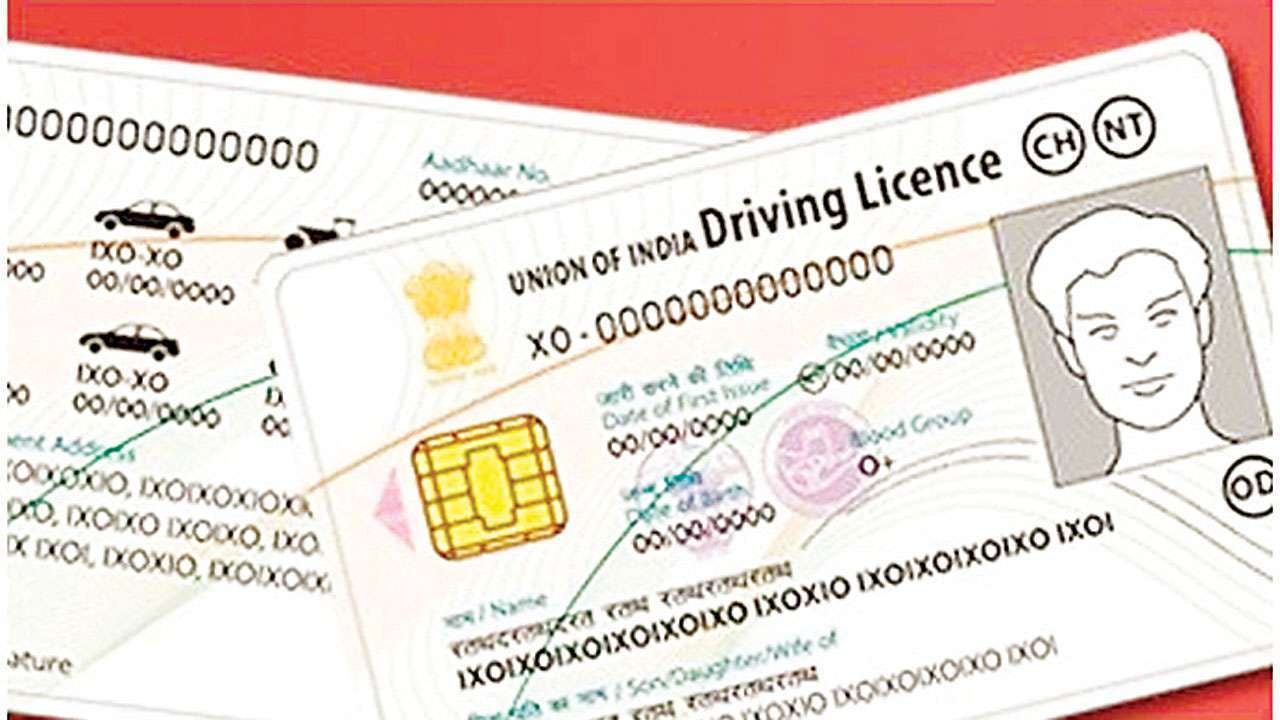
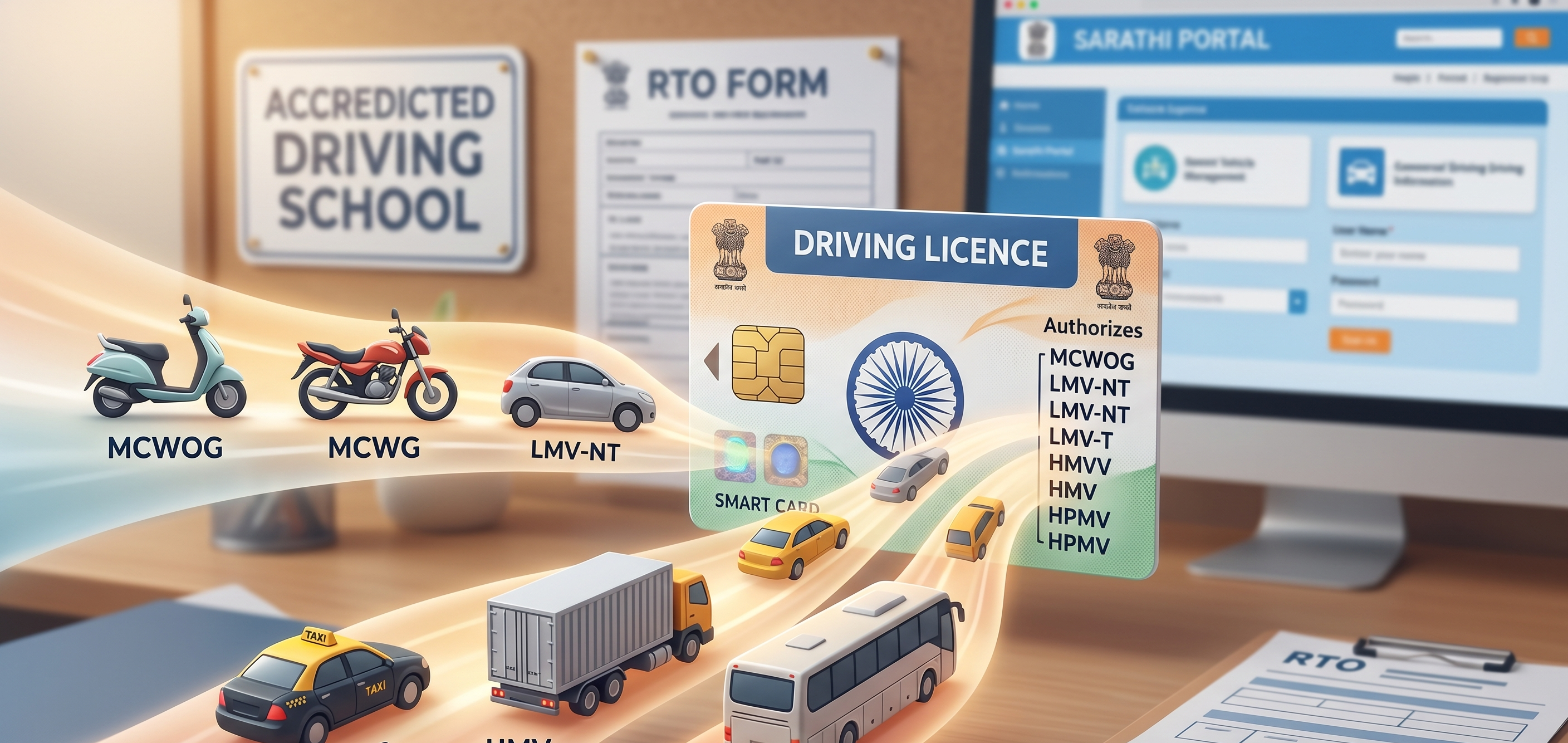
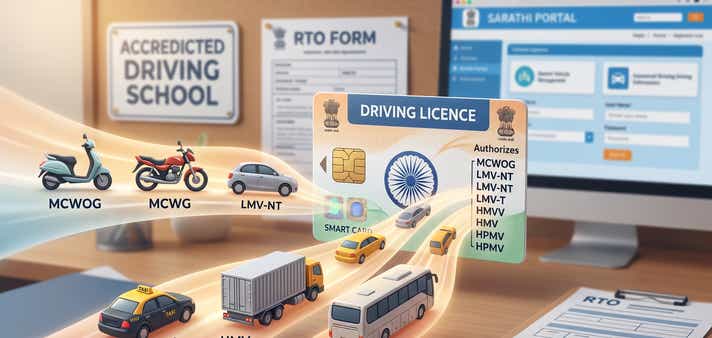
In India, a driving licence (DL) is not a blanket authorisation; it is strictly categorised by specific vehicle classes. For instance, if your licence specifies MCWG (Motorcycle With Gear), you are legally permitted to ride geared two-wheelers only. Operating a car using that same licence is a legal violation, as cars fall under the LMV (Light Motor Vehicle) category, which requires its own distinct authorisation.
When you want to legally operate a different category of vehicle, you do not apply for a completely separate licence. Instead, you go through a process called DL endorsement.
Key Details of the Endorsement Process
- Permanent DL Number: Your original driving licence number remains exactly the same throughout your life.
- Updated Authorisations: The only change occurs in the backend and on the physical card, where the new vehicle category is formally appended to your existing records.
The Procedural Workflow: While it is an update to an existing licence, the legal evaluation remains thorough. To add a class, you must first secure a fresh Learner’s Licence (LL) for that specific category, log the mandatory waiting period, and clear a dedicated driving skill test for the new vehicle class before the final endorsement is printed.
Frequent Vehicle Class Addition Combinations
While any valid licence holder can apply for an upgrade, transport authorities in India most frequently process specific combinations of vehicle class additions. Here is how these standard transitions work:
1. MCWG to LMV (Adding a Car to a Motorcycle Licence)
This is the most common endorsement request, typically undertaken by individuals who secured a two-wheeler licence first and later acquired a car. Since MCWG (Motorcycle With Gear) and LMV (Light Motor Vehicle) are completely independent categories, transitioning requires a new Learner’s Licence (LL) and a separate driving test specifically for the car.
2. LMV-NT to LMV-TR (Upgrading from Personal to Commercial/Transport Car)
If you intend to drive a light motor vehicle for commercial purposes, such as operating a taxi, an auto-rickshaw, or a commercial delivery vehicle, you must legally convert your LMV-NT (Non-Transport) status to LMV-TR (Transport). While the physical vehicle might be identical, this endorsement demands stricter compliance, including a minimum educational qualification (8th-standard pass certificate) and a mandatory medical fitness certificate (Form 1A).
3. LMV to HMV (Adding Heavy Goods Vehicles)
Drivers looking to transition into commercial transport careers by driving trucks, tippers, or large goods carriers must endorse HMV (Heavy Motor Vehicle) onto their existing LMV licence.
- Prerequisite: The applicant must have held a valid LMV licence for a minimum of one year.
Requirement: Completion of formal training from a government-authorised or certified driving school is mandatory before taking the heavy vehicle driving test.
4. MCWOG to MCWG (Upgrading from Gearless Scooter to Geared Motorcycle)
Riders who initially obtained a licence strictly for automatic scooters, MCWOG (Motorcycle Without Gear), must complete an endorsement to legally ride standard motorcycles with a manual clutch and gear system (MCWG). This transition is legally treated as a completely new vehicle class acquisition, requiring a fresh LL and a practical riding test on a geared motorcycle.
5. LMV to HPMV (Adding Heavy Passenger Vehicles)
For operating heavy passenger transport vehicles like commercial buses, stage carriers, or private staff buses, drivers must add the HPMV (Heavy Passenger Motor Vehicle) class. Similar to the HMV upgrade, this endorsement requires a clean LMV driving record of at least one year, formal certified commercial driving school training, and passing the designated HPMV practical driving test.
Criteria and Eligibility for Adding a Vehicle Class
The eligibility criteria for a driving licence (DL) endorsement vary strictly depending on the specific vehicle category you intend to add. Below is the precise breakdown of age limits, mandatory prerequisites, and supporting documentation required for each target class:
| Target Vehicle Class | Minimum Age | Prerequisite DL Requirement | Additional Mandatory Requirements |
MCWOG / MCWG
(Gearless Scooter / Geared Motorcycle) | 18 Years | None | None |
LMV-NT
(Light Motor Vehicle – Non-Transport/Personal) | 18 Years | None | None |
LMV-TR
(Light Motor Vehicle – Transport/Commercial) | 18 Years | Valid LMV-NT DL | Minimum 8th-standard pass certificate |
MGV / LCV
(Medium Goods / Light Commercial Vehicle) | 18 Years | Valid LMV DL | Certified driving school training certificate |
HMV (Goods)
(Heavy Motor Vehicle) | 20 Years | Valid LMV DL (Minimum 1-year holding period) | Certified training certificate & Form 1A Medical Certificate |
HPMV / HMV (Passenger)
(Heavy Passenger Motor Vehicle) | 20 Years | Valid LMV DL (Minimum 1-year holding period) | Certified training certificate & Form 1A Medical Certificate |
Important Notes:
- Upgrading from Bike to Car: Adding the LMV class to an existing motorcycle licence does not carry any extra holding-period penalties or mandatory commercial training; you only need to meet the standard minimum age of 18.
Upgrading to Heavy Vehicles: To add any heavy vehicle class (HMV/HPMV) to a standard LMV licence, you must legally complete a minimum 1-year waiting period with your car licence and finish a formal training module at an accredited commercial driving school.
Tip: Since driving licence records are linked to enforcement databases, it is also a good idea to check traffic challan history before applying for updates.
Is a New Driving Test Mandatory for DL Endorsement?
Yes. There are absolutely no exceptions; whenever you add a new vehicle category to your current driving licence, you must secure a fresh Learner's Licence (LL) and pass a practical driving skill test for that specific class.
The procedure directly mirrors the standard two-stage process of obtaining a first-time licence:
- Obtain a Learner's Licence: Apply for an LL for the target vehicle class. This initiates a mandatory 30-day learning and practice phase.
- Apply for Permanent Endorsement: Once the 30-day waiting period concludes, submit the application for your permanent vehicle class addition.
Clear the Skill Test: Book a test slot at your local RTO and pass the practical driving examination for the new category.
How the Driving Tests Differ:
- For Light Motor Vehicles (LMV): If you are upgrading from a two-wheeler to a car, the test takes place on a standard RTO track. It is the exact same evaluation a first-time car applicant undergoes.
For Heavy Motor Vehicles (HMV): Upgrading to commercial heavy vehicles involves a far more demanding evaluation. These tests are conducted on specialised HMV tracks and test your ability to execute complex manoeuvres tailored strictly for large-scale transport vehicles.
Online Application Process for DL Endorsement via Parivahan
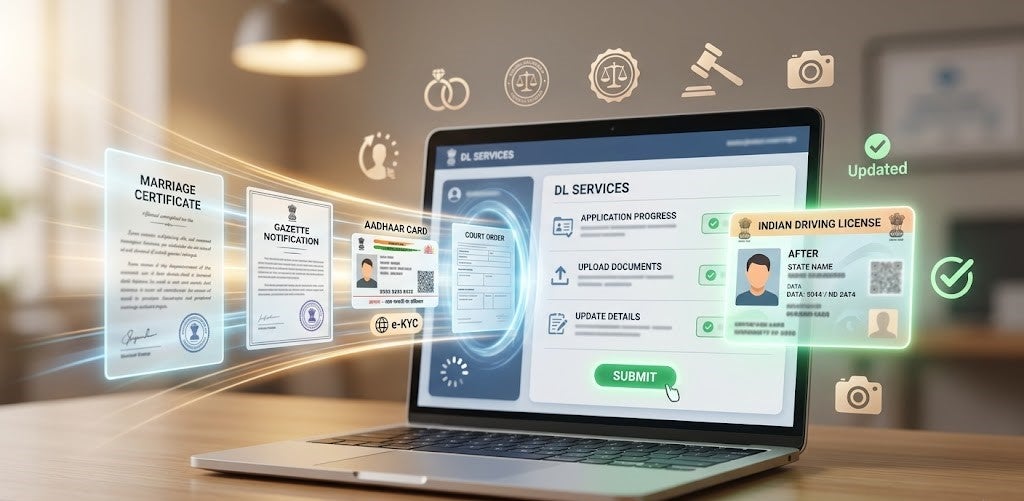
Thanks to India’s shift toward a faceless digital framework, you can now manage the entire vehicle class upgrade process online through the Sarathi portal. Here is the step-by-step procedure to file for an Additional Endorsement of Driving Licence (AEDL):
- Access the Parivahan Portal: Visit the official Parivahan Sewa website and click on the 'Drivers/Learners License' option under 'License Related Services'.
- Select Your Jurisdiction: Choose the specific state where your original driving licence was issued from the drop-down menu.
- Navigate to DL Services: Click on the 'Services on Driving License (Renewal/Duplicate/AEDL/Others)' tab.
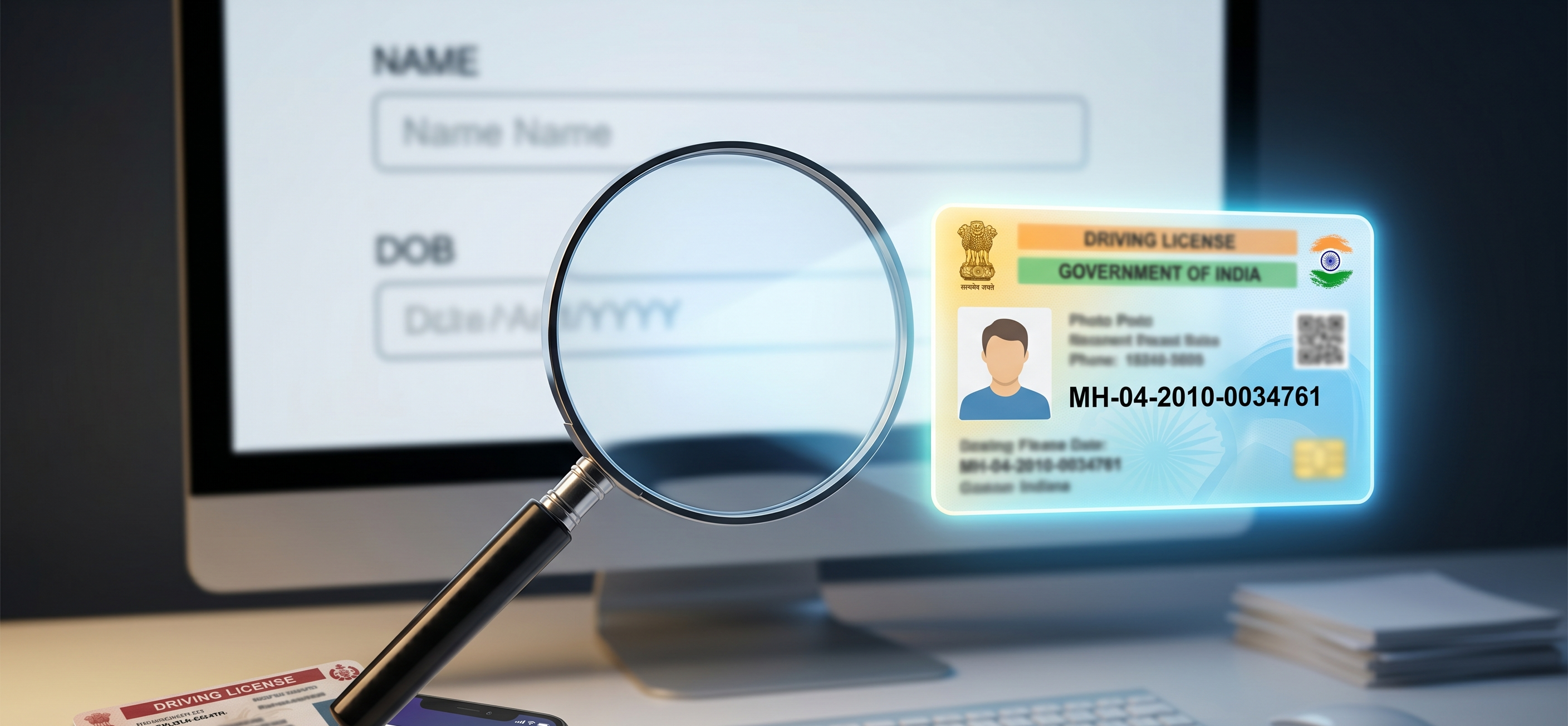
- Authenticate Your Details: Enter your active Driving Licence number and your Date of Birth to pull up your existing records.
- Choose the Endorsement Option: Select the specific service for 'Additional Endorsement to DL' (Addition of another class of motor vehicle, typically processed via Form 8).
- Secure the Prerequisite Learner's Licence: Crucial step. You must first apply for and obtain a Learner's Licence (LL) strictly for the new target vehicle class.
- Documentation and Payment: Upload the requested supporting documents (such as Form 1/1A, ID proof, and existing DL) and pay the standardised government fees for the endorsement and the test.
- Book and Clear the Driving Test: Schedule a slot for your practical skill evaluation at your designated RTO. Visit the RTO on the selected date with your vehicle and pass the test.
Final Issuance: Once the RTO examiner passes you, the backend is updated, and the new vehicle class is officially endorsed on your existing driving licence.
Essential Paperwork for DL Endorsement
To ensure a smooth and rejection-free application process for your vehicle class upgrade, you must compile the correct set of documents. Below is the checklist of mandatory and conditional paperwork required by the RTO:
| Document Type | Submission Requirement & Details |
| Original Driving Licence | Mandatory: You must upload a scanned copy online and physically carry the original card on the day of your driving skill test. |
| Valid Learner’s Licence (LL) | Mandatory: The LL must be active and issued strictly for the new vehicle category you are adding. |
| Valid Proof of Age | Accepted documents include an Aadhaar card, a valid Passport, or your 10th-standard educational marksheet. |
| Valid Proof of Address | Accepted documents include an Aadhaar card, Voter ID, or a recent utility bill matching your current residence. |
| Passport-Sized Photographs | Mandatory: Carry at least 2 recent passport-sized photographs for physical forms and RTO verification. |
| Form 1 (Self-Declaration) | Mandatory: A standard self-declaration form confirming your basic physical fitness for non-transport categories. |
| Form 1A (Medical Certificate) | Conditional: A formal medical certificate physically signed by a registered doctor. It is strictly required when adding transport/commercial categories (HMV/HPMV) or if the applicant is over 40 years old. |
| Educational Qualification | Conditional: A minimum of an 8th-standard passing certificate is required, specifically for LMV-TR and heavy vehicle additions. |
| Training Completion Certificate | Conditional: Formal proof of training from an RTO-certified driving school is strictly required for heavy (HMV) and medium goods (MGV) endorsements. |
What Happens to Your Existing DL Validity and Physical Card?
Here is exactly how the RTO handles your validity and your physical card after a successful endorsement:
- Non-Transport Upgrades (e.g., Bike to Car): If you are adding a personal vehicle class (like MCWG to LMV), the newly added category will simply inherit the expiration date of your original licence. It does not grant you a fresh 20-year validity period.
- Split Validity for Commercial Upgrades (e.g., LMV to HMV): Transport categories are heavily regulated and have much shorter validity periods, typically 5 years under the amended Motor Vehicles Act. If you endorse a commercial class onto your personal DL, your new licence will feature split validity. It will display one expiration date for your personal vehicles (e.g., valid until 2040) and a much closer expiration date for your transport authorisation (e.g., valid until 2031).
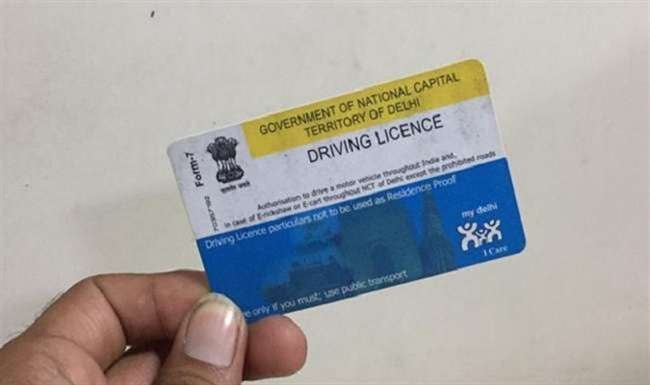
The Smart Card Replacement: You cannot hold two separate driving licences. Once your endorsement is approved on the Parivahan backend, your old physical DL becomes obsolete. Depending on your state's specific RTO protocol, you will either need to surrender the old card directly to the inspector or destroy it once your newly printed, updated Smart Card arrives at your registered address via Speed Post.
Cost Structure for Adding a Vehicle Class
Upgrading your driving licence is a straightforward process with a highly transparent and budget-friendly cost structure. Because road transport is a state subject in India, the exact final cost can vary slightly depending on your RTO, but the general fee brackets remain consistent.
Here is an estimated breakdown of what you can expect to pay:
| Endorsement Category | Learner's Licence (LL) Fee | Permanent DL Endorsement Fee | Estimated Total Cost |
| MCWG / MCWOG (Two-Wheelers) | ₹150 – ₹300 | ₹300 – ₹500 | ₹450 – ₹800 |
| LMV-NT (Personal Car) | ₹200 – ₹350 | ₹300 – ₹500 | ₹500 – ₹850 |
| LMV-TR (Commercial Car/Taxi) | ₹200 – ₹400 | ₹300 – ₹600 | ₹500 – ₹1,000 |
| HMV (Heavy Motor Vehicles) | ₹250 – ₹400 | ₹400 – ₹700 | ₹650 – ₹1,100 |
Crucial Note: The exact, to-the-rupee fee for your specific state and chosen vehicle class will automatically generate on the Sarathi Parivahan portal during the checkout process. Always review this final amount carefully before initiating your online payment.
Frequently Asked Questions
Expand all