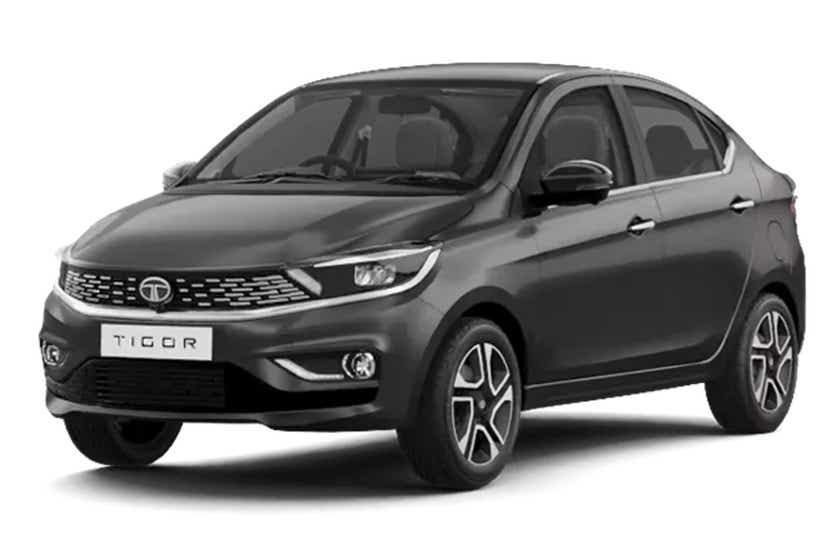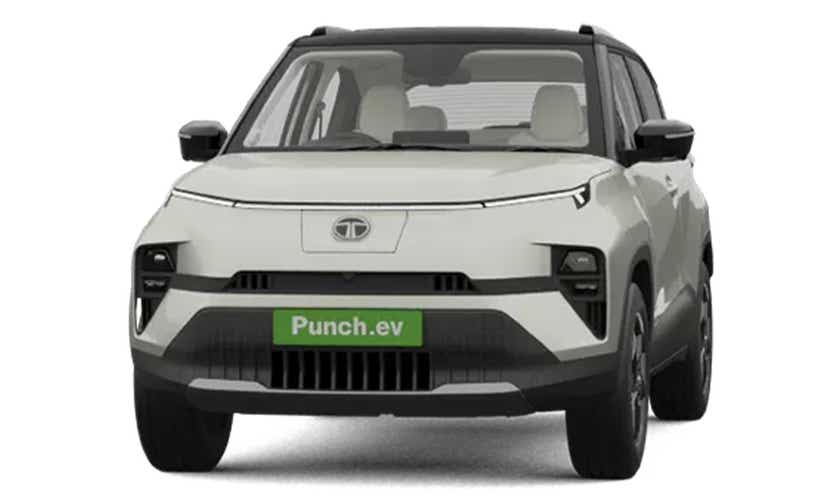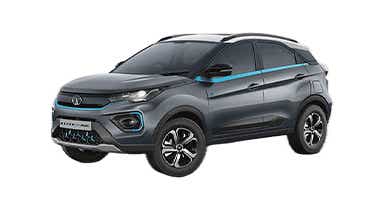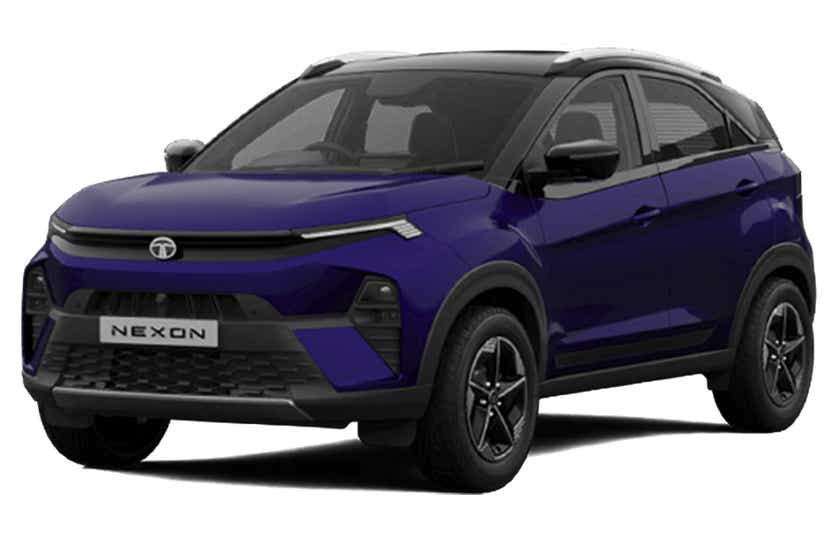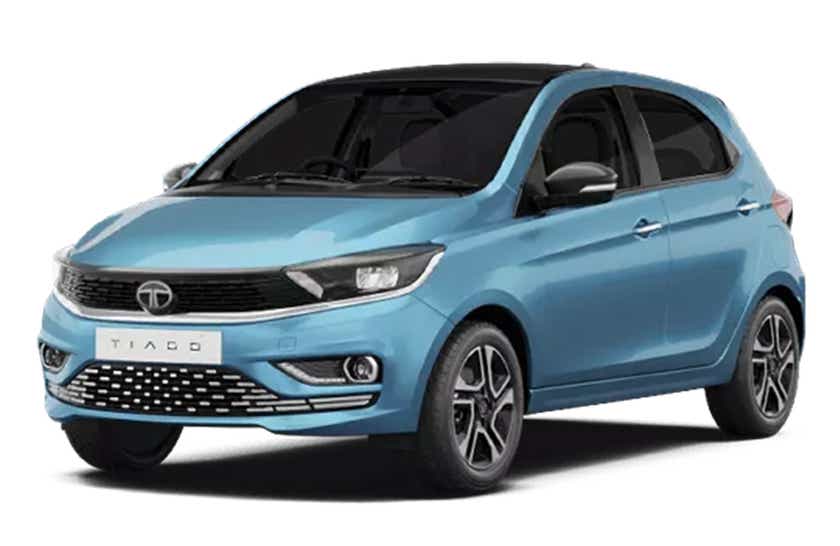




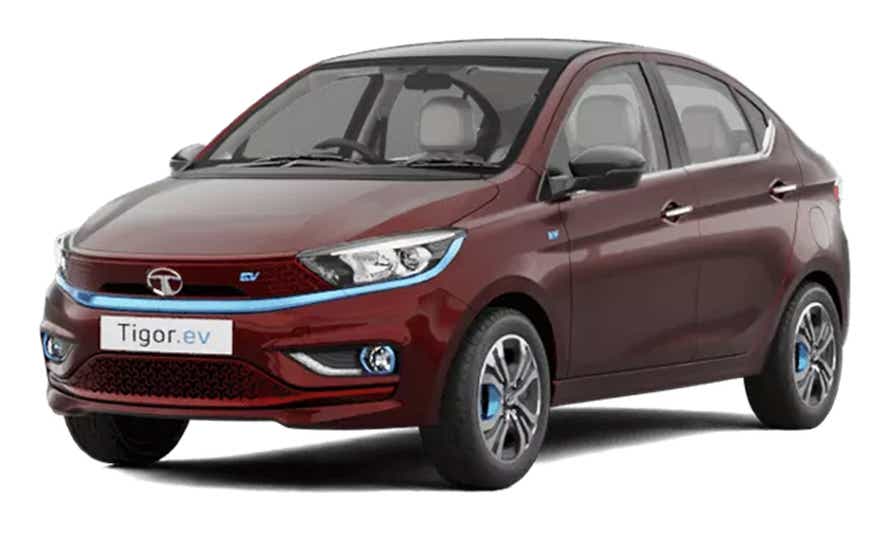
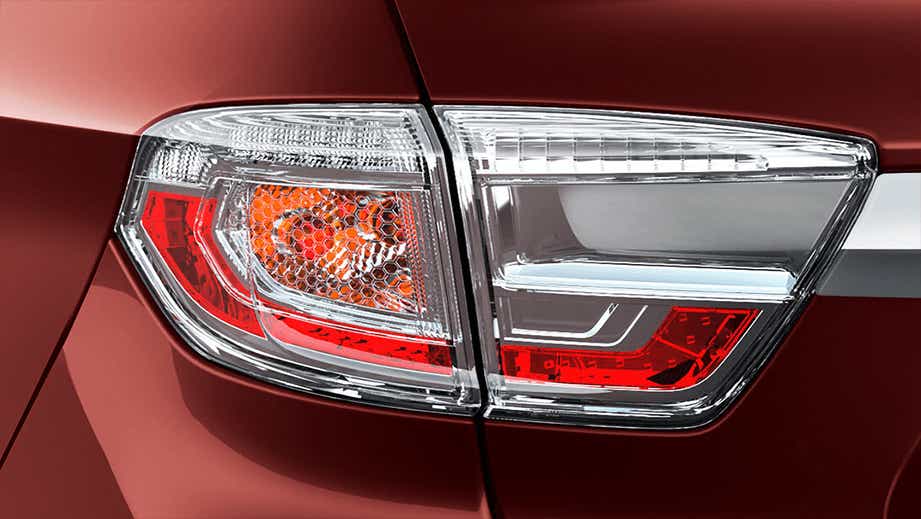
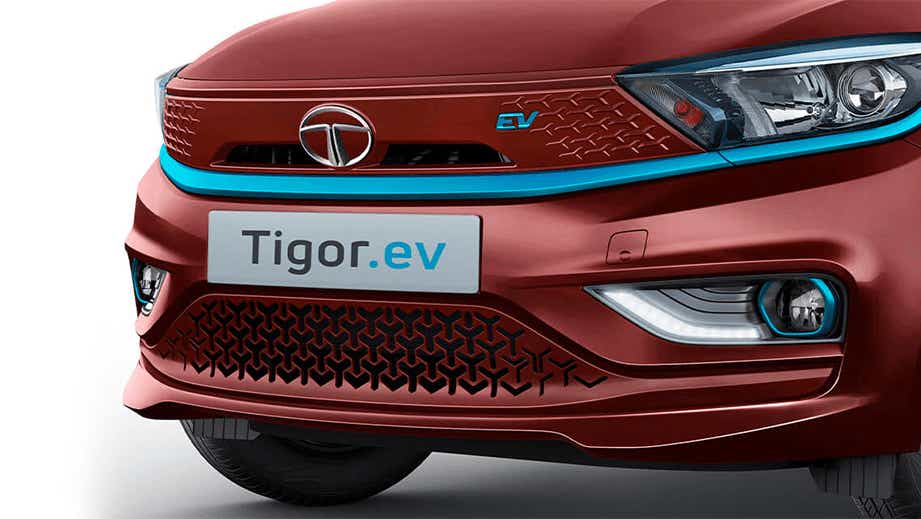
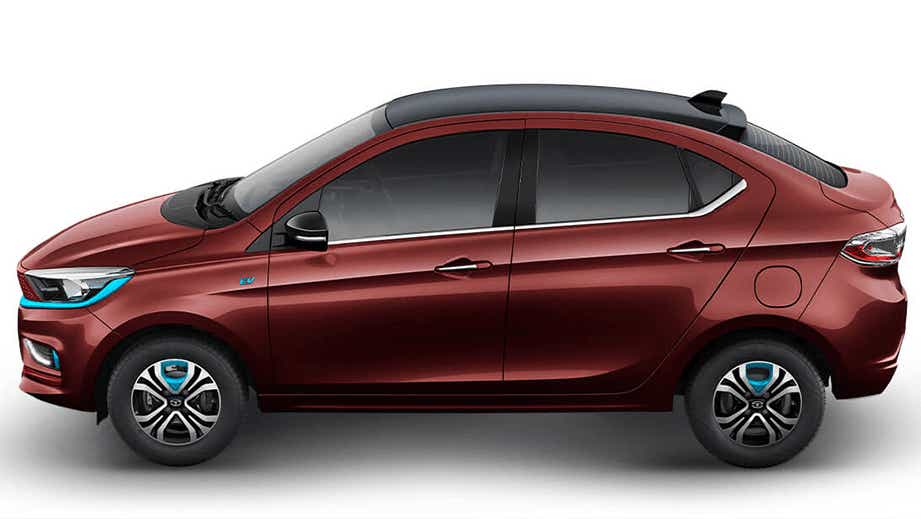
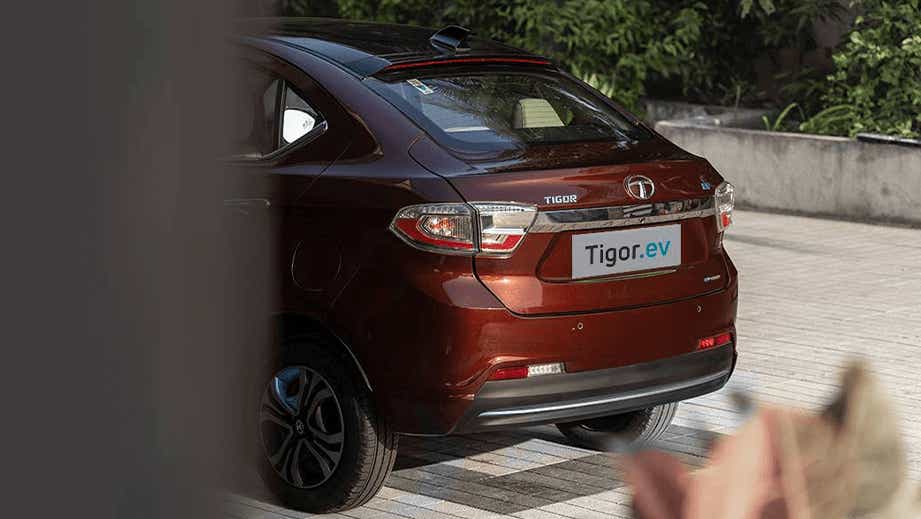
Images of Tata Tigor EV
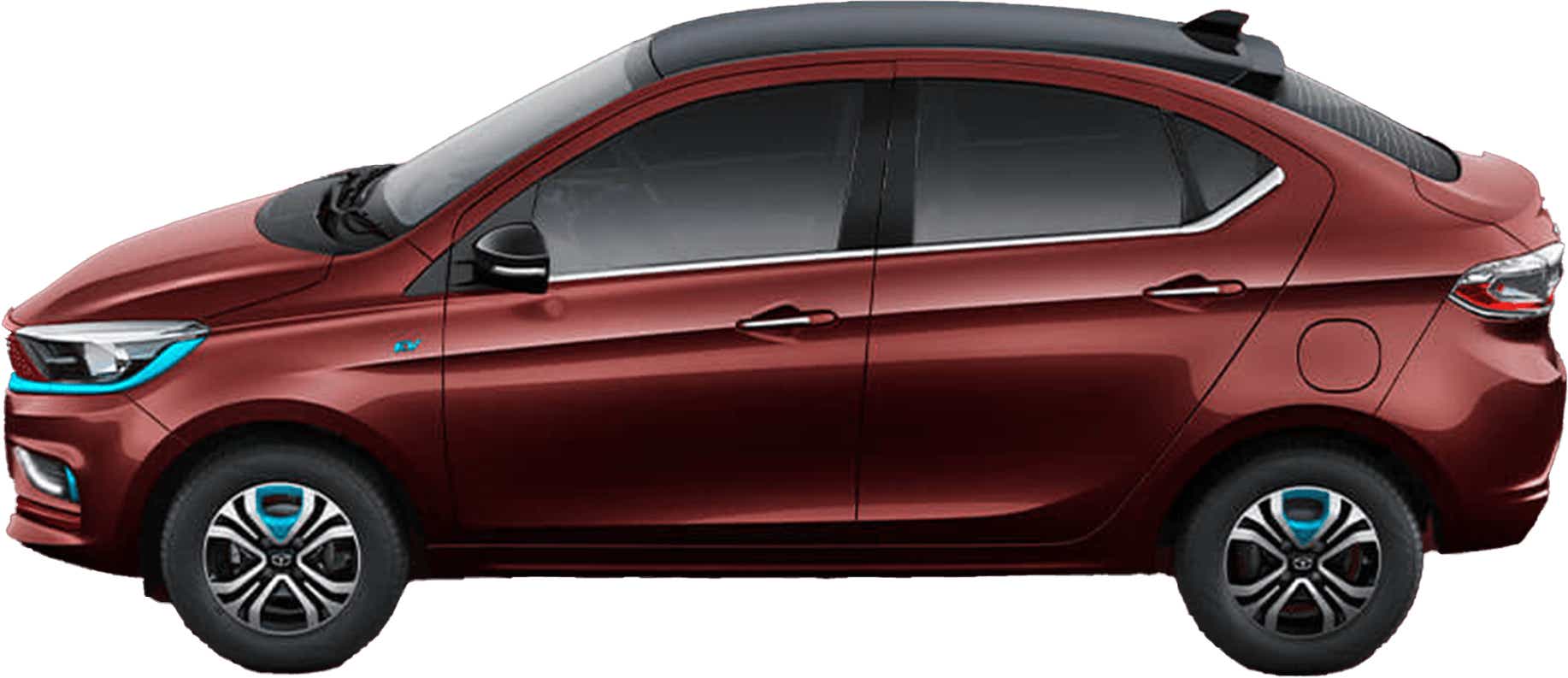
Tata Tigor EV Specifications
 Range
Range Charging time (hours)
 Battery warranty
 Max torqueBattery capacity
 Body type
Tata Tigor EV Variants: Price & Spec Cards
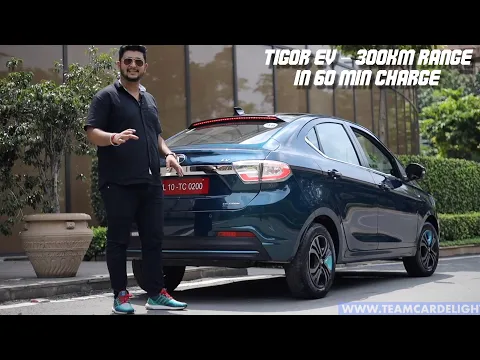
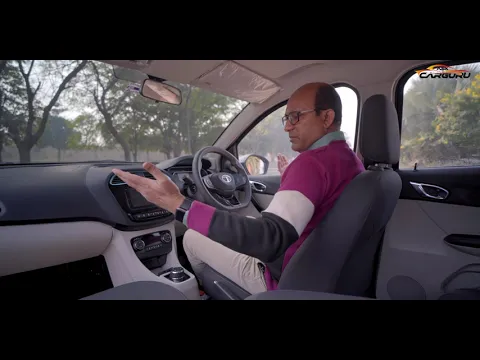
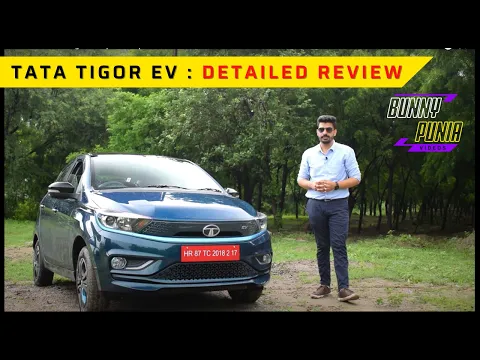
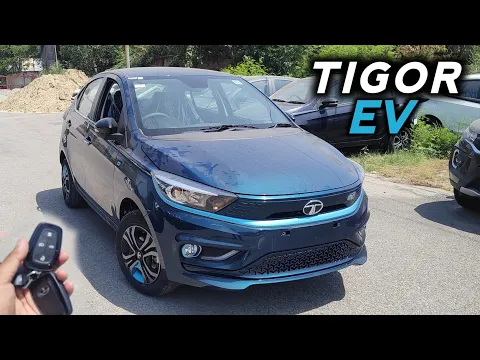
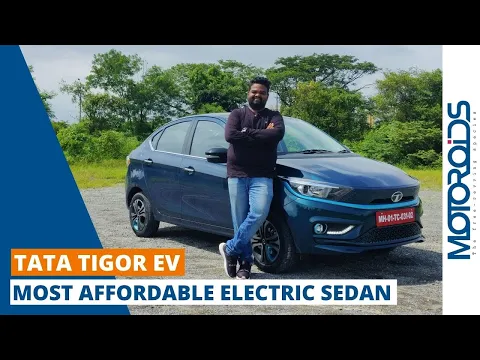
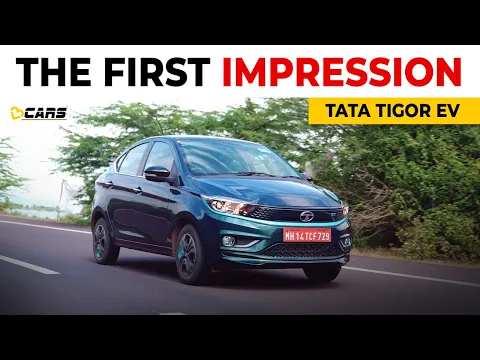
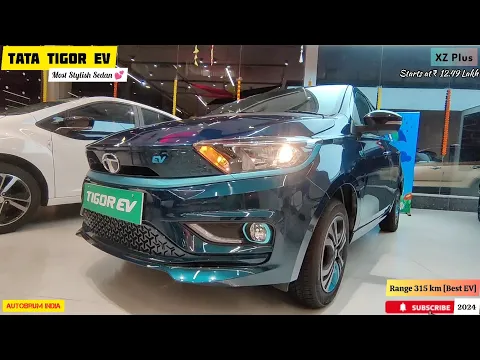
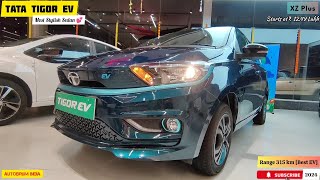
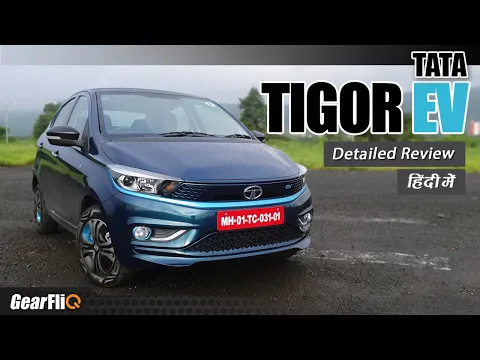
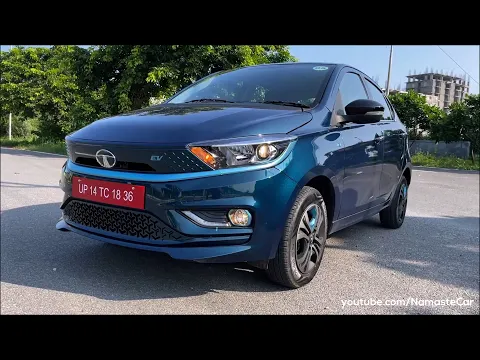
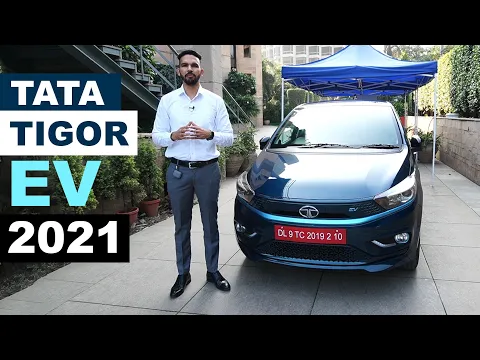
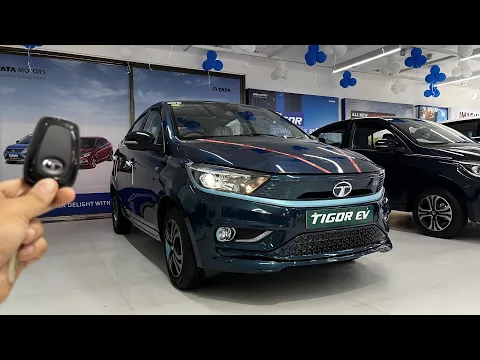
The influencers' perspective

















Newsroom

Tata Tigor EV - A Practical Electric Sedan for Everyday Driving
The Tata Tigor EV is an electric compact sedan designed primarily for urban and everyday family use. It combines the familiar three-box shape of a conventional sedan with Tata Motors' Ziptron electric powertrain.
Unlike a small electric hatchback, the Tigor EV offers a proper boot, while its compact dimensions make it relatively easy to drive and park in crowded cities. The electric motor also makes the car particularly simple to operate in stop-go traffic, as there is no conventional gearbox to manage.
The Tigor EV uses a 26 kWh battery pack and produces 75 PS and 170 Nm. The instant torque delivery gives it a quick initial response, although the car is better suited to relaxed driving than performance-oriented use. Car buyers looking for a relatively affordable EV for commutes, school runs and other errands generally favour the Tigor EV’s qualities of affordability, boot space, and ease of use.
Currently, the Tata Tigor EV price starts at ₹12.49 lakh, ex-showroom in India. It has been available in four variants, viz XE, XT, XZ+ and XZ+ Lux.
| Variant | Battery | ARAI Range | Ex-Showroom Price |
| Tigor EV XE | 26 kWh | 315 km | ₹12.49 lakh |
| Tigor EV XT | 26 kWh | 315 km | ₹12.99 lakh |
| Tigor EV XZ+ | 26 kWh | 315 km | ₹13.49 lakh |
| Tigor EV XZ+ Lux | 26 kWh | 315 km | ₹13.75 lakh |
All four variants use the same battery and electric motor. Hence, there is no difference in claimed range or core performance between them. The additional money spent on the higher variants primarily goes towards extra equipment and convenience features.
The XE makes sense for buyers who want the lowest possible entry price into the Tigor EV range. The XT is a more equipment-focused middle option, while the XZ+ and XZ+ Lux are better suited to buyers who want a more comprehensively equipped cabin. It may be noted that above prices are ex-showroom, and that the Tata Tigor EV on road price is higher owing to registration, insurance and other extras.
The Tata Tigor EV uses a 26 kWh lithium-ion battery connected to an electric motor producing 75 PS and 170 Nm. Power is sent to the front wheels through a single-speed automatic transmission.
City Driving Experience
The Tigor EV is best suited to city driving. The electric motor's instant torque makes pulling away from traffic lights and joining gaps in slow-moving traffic effortless, while the absence of gear changes makes stop-go driving particularly smooth.
Its compact footprint is also useful on congested roads. Parking and manoeuvring require less effort than in a larger SUV, and the quiet electric powertrain makes the cabin noticeably calmer during urban driving.
Highway Driving Experience
The Tigor EV can comfortably handle normal highway use, but it is not designed primarily as a long-distance touring EV. Its 75 PS motor provides adequate performance for regular cruising and overtaking, but the available range decreases more quickly at sustained high speeds.
For occasional highway trips, this is unlikely to be a major limitation if the journey is planned around charging infrastructure. For frequent inter-city travel, however, a buyer should consider an EV with a larger battery and greater long-distance range.
Tata Tigor EV Charging
The Tigor EV can be charged using AC and DC charging infrastructure. Charging time depends on the charger used, the battery's state of charge and other operating conditions.
For an owner with access to home charging, overnight charging is the most convenient way to use the car. Public DC fast charging is more relevant during longer journeys, where reducing charging time becomes more important.
This makes home-charging access an important consideration before buying the Tigor EV. A buyer who has a predictable overnight charging point will generally find the car easier to live with than someone who depends entirely on public chargers.
The Tigor EV's four variants share the same battery, motor and claimed range, so the variant decision is primarily about features.
Tigor EV XE
The XE is the entry-level variant and is the logical choice for buyers who want the Tigor EV's electric powertrain at the lowest price. It is most suitable when basic equipment is sufficient.
Tigor EV XT
The XT adds more equipment over the XE and is worth considering for buyers who want additional convenience without moving to the higher-priced variants.
Tigor EV XZ+ & XZ+ Lux
The XZ+ and XZ+ Lux are aimed at buyers who want a more feature-rich cabin. They make sense if the additional equipment is important to you, but they do not offer extra range or performance over the lower variants.
Which Tata Tigor EV Variant Should You Buy?
The variant you should pick depends on the whether your priortise value or top-end features.
Best value: The middle variant is generally the one to examine first if you want a balance between price and equipment.
Best equipped: The XZ+ Lux is the choice for buyers who prioritise features over the lowest purchase price.
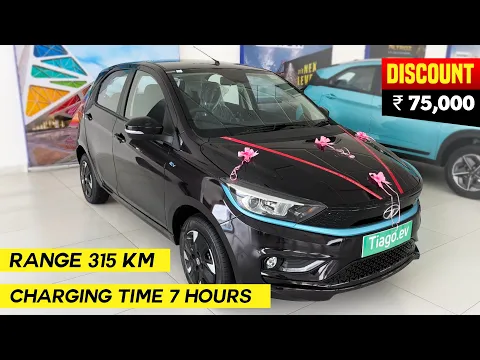
The Tata Tigor EV has a 315 km ARAI-certified range from its 26 kWh battery. This is a laboratory-certified figure and should not be treated as a guaranteed real-world distance.
Real-world range varies according to traffic, speed, air-conditioning use, temperature, road conditions, driving style and the amount of regenerative braking used. City driving can be relatively efficient because the car recovers energy while decelerating, whereas sustained high-speed highway driving generally consumes more energy. For practical ownership, buyers should therefore think of the ARAI figure as a benchmark rather than a fixed daily range.
This distinction is particularly important for anyone searching for the Tata Tigor EV real-world range. The distance you can cover between charges will depend heavily on where and how you drive.
The Tigor EV retains the basic proportions of the conventional Tigor, giving it a familiar compact-sedan appearance rather than the futuristic styling seen on some dedicated EVs.
EV-specific details include a closed-off grille treatment and blue accents, while the rest of the design remains relatively conventional. This could appeal to buyers who want an electric car without making the transition to a radically different-looking vehicle.
Its compact dimensions are also useful in Indian cities, where narrow roads, tight parking spaces and heavy traffic can make larger vehicles cumbersome.
The Tigor EV's cabin is practical rather than overtly premium. The layout remains familiar to anyone who has driven Tata's compact cars, while EV-specific displays provide information about battery charge and energy consumption.
Depending on the variant, equipment includes a 7-inch touchscreen infotainment system with Apple CarPlay and Android Auto, navigation, an 8-speaker Harman audio system, cooled glovebox, automatic climate control and connected-car functions.
The 316-litre boot is one of the Tigor EV's key practical advantages. It provides enough space for everyday shopping and luggage without compromising the basic usability expected from a compact family sedan.
For a small family, the cabin is reasonably usable, although buyers who regularly carry three adults in the rear should assess the space in person before making a decision.
The Tata Tigor EV has a 4-star Global NCAP safety rating for adult and child occupant protection. Safety equipment includes dual front airbags, ABS with EBD, electronic stability control, traction control, hill-hold assist, rear parking sensors and a reverse camera.
The safety rating is an important part of the Tigor EV's appeal for family buyers, but the exact safety equipment can vary by variant. Buyers should therefore check the equipment list of the specific version they are considering.
The Tigor EV is unusual in India's affordable EV market because it combines an electric powertrain with a conventional compact-sedan body.
Its alternatives include:
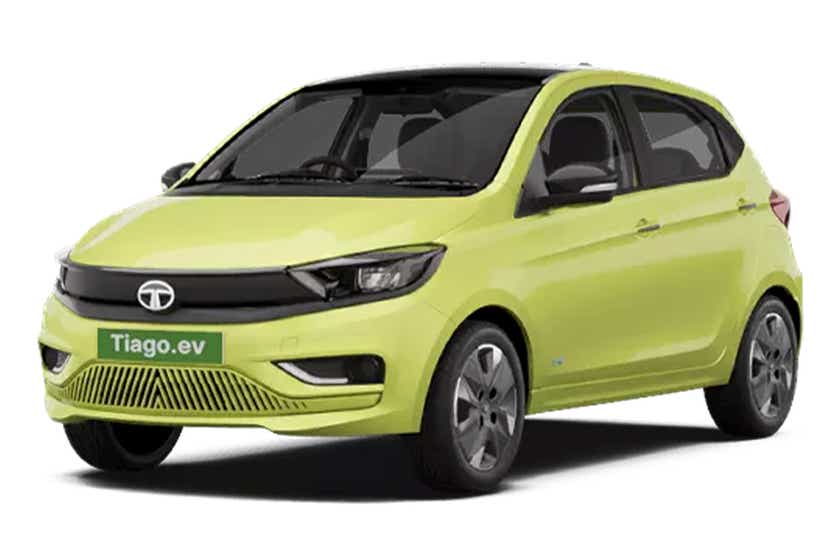
- Tata Tiago EV: Better suited to buyers who want a smaller electric hatchback and do not need a separate boot.
- Citroen eC3: A practical electric hatchback aimed primarily at urban users.
- MG Comet EV: Far more compact and easier to manoeuvre in dense city traffic, but less conventional as a family car. That said, it’s even a lot more affordable.
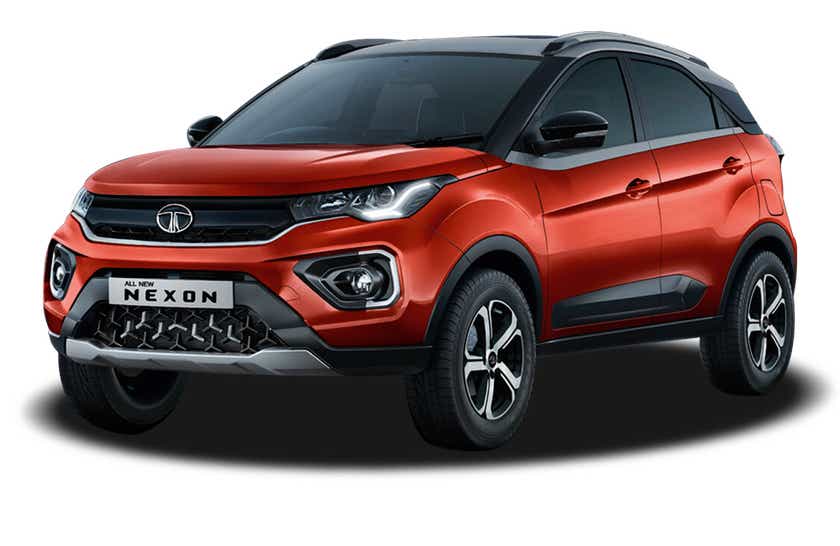
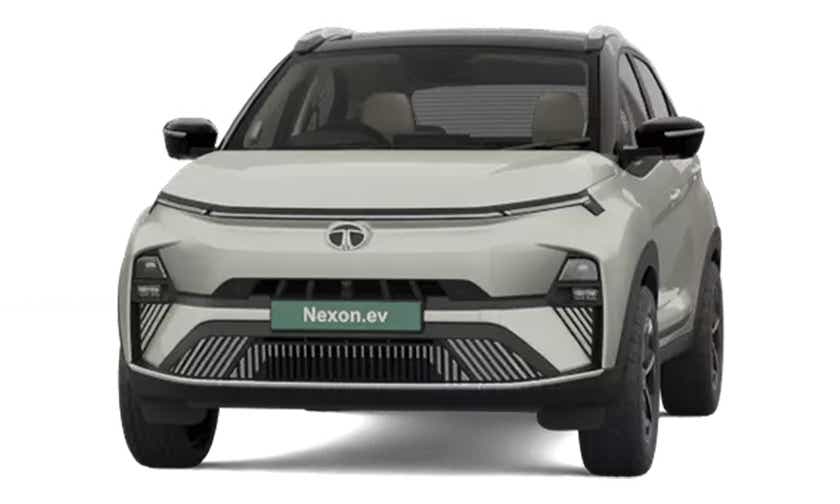
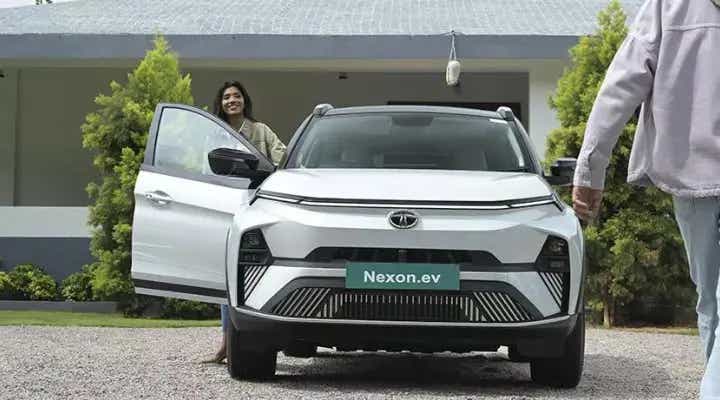
Tata Nexon EV: Positioned just above the Tigor EV in the carmaker’s portfolio, the Nexon offers stronger performance, more practical cabin and typical SUV traits. However, it’s substantially costlier.
The Tigor EV's biggest differentiator is therefore not outright performance or technology. It is the combination of electric running, sedan practicality and compact dimensions.
A buyer choosing between these cars should first decide whether they need the Tigor's boot and conventional sedan layout. If they do not, a smaller EV could be easier to use in the city.
The Tata Tigor EV, just like every other car on sale in the country, comes with its distinct strengths and weaknesses. The table below encapsulates these traits rather well. It will aid potential buyers to make an informed purchase decision.
| Pros | Cons |
| Conventional sedan body with a useful 316-litre boot | Highway range is lower than the ARAI figure |
| Instant torque makes city driving easy | Performance is adequate rather than sporty |
| 315 km ARAI-certified range | Long journeys need charging planning |
| 4-star Global NCAP safety rating | Cabin design is more functional than premium |
| Compact dimensions suit crowded cities | Public charging convenience depends on the route |
The Tata Tigor EV is best suited to buyers whose daily driving is predominantly urban and who have convenient access to charging. Its compact size, instant torque, quiet powertrain and useful boot make it easy to live with as a city-focused family car.
It is particularly worth shortlisting if you:
- Drive regularly within a city and want lower running costs
- Have access to home or workplace charging
- Want a compact EV with a proper boot
- Prefer a conventional sedan over a small electric hatchback
Want a family car with established safety credentials
It is less suitable if you regularly undertake long highway journeys and do not have reliable charging access along your routes. In that situation, a larger-battery EV may be a better fit.
All in all, the Tigor EV makes the most sense as a practical urban electric sedan rather than as a long-distance touring EV. That distinction should be central to the buying decision.
Frequently asked questions
The price of the Tata Tigor EV starts at ₹12.49 lakh (ex-showroom, New Delhi).
The length of the Tata Tigor EV is 3993 mm.
The Tata Tigor EV is available in 3 color options, including Magnetic Red, Signature Teal Blue, Daytona Grey.
The weight of the Tata Tigor EV is 1230 kilograms.
All Model Make Filter
- Recently Launched 4 Star Cars
- Recently Launched 5 Seater Cars
- Recently Launched Automatic Cars
- Recently Launched Sedan Cars
- Recently Launched Electric Cars
- Recently Launched 0 to 1000cc Cars
- Recently Launched Abs Cars
- Recently Launched Hill Hold Assist Cars
- Recently Launched Tpms Cars
- Recently Launched Cars Under 15 Lakhs
- 4 Star 5 Seater Cars
- 4 Star Automatic Cars
- 4 Star Sedan Cars
- 4 Star Electric Cars
- 4 Star 0 to 1000cc Cars
- 4 Star Abs Cars
- 4 Star Hill Hold Assist Cars
- 4 Star Tpms Cars
- 4 Star Cars Under 15 Lakhs
- 5 Seater Automatic Cars
- 5 Seater Sedan Cars
- 5 Seater Electric Cars
- 5 Seater 0 to 1000cc Cars
- 5 Seater Abs Cars
- 5 Seater Hill Hold Assist Cars
- 5 Seater Tpms Cars
- 5 Seater Cars Under 15 Lakhs
- Automatic Sedan Cars
- Automatic Electric Cars
- Automatic 0 to 1000cc Cars
- Automatic Abs Cars
- Automatic Hill Hold Assist Cars
- Automatic Tpms Cars
- Automatic Cars Under 15 Lakhs
- Sedan Electric Cars
- Sedan 0 to 1000cc Cars
- Sedan Abs Cars
- Sedan Hill Hold Assist Cars
- Sedan Tpms Cars
- Sedan Cars Under 15 Lakhs
- Electric 0 to 1000cc Cars
- Electric Abs Cars
- Electric Hill Hold Assist Cars
- Electric Tpms Cars
- Electric Cars Under 15 Lakhs
- 0 to 1000cc Abs Cars
- 0 to 1000cc Hill Hold Assist Cars
- 0 to 1000cc Tpms Cars
- 0 to 1000cc Cars Under 15 Lakhs
- Abs Cars Under 15 Lakhs
- Hill Hold Assist Cars Under 15 Lakhs
- Tpms Cars Under 15 Lakhs
- Tata Upcoming Cars
- Tata Recently Launched Cars
- Tata Discontinued Cars
- Tata 4 Star Cars
- Tata 5 Star Cars
- Tata 5 Seater Cars
- Tata 6 Seater Cars
- Tata 7 Seater Cars
- Tata Manual Cars
- Tata Automatic Cars
- Tata Sedan Cars
- Tata Suv Cars
- Tata Hatchback Cars
- Tata Coupe Cars
- Tata Petrol Cars
- Tata Cng Cars
- Tata Electric Cars
- Tata Diesel Cars
- Tata 0 to 1000cc Cars
- Tata 1000 to 1500cc Cars
- Tata 1500 to 2000cc Cars
- Tata Upto 30kmpl Cars
- Tata Awd Cars
- Tata Fwd Cars
- Tata Rwd Cars
- Tata 3 Cylinder Cars
- Tata 4 Cylinder Cars
- Tata Abs Cars
- Tata Esc Cars
- Tata Hill Hold Assist Cars
- Tata Traction Control Cars
- Tata Tpms Cars
- Tata Adaptive Cruise Control Cars
- Tata Sunroof Cars
- Tata Panoramic Cars
- Tata Moonroof Cars
- Tata Cars Under 5 Lakhs
- Tata Cars Under 6 Lakhs
- Tata Cars Under 7 Lakhs
- Tata Cars Under 10 Lakhs
- Tata Cars Under 15 Lakhs
- Tata Cars Under 20 Lakhs
- Tata Cars Under 25 Lakhs
- Tata Cars Under 30 Lakhs
- Tata Cars Under 35 Lakhs
- Tata Cars Under 50 Lakhs
- Maruti Suzuki
- Hyundai
- Mahindra
- Toyota
- Kia
- Honda
- Renault
- Skoda
- Mg
- Nissan
- Volkswagen
- Citroen
- Bmw
- Mercedes Benz
- Xiaomi
- Ford
- Jeep
- Audi
- Jaguar
- Land Rover
- Rolls Royce
- Byd
- Force
- Tesla
- Vinfast
- Bentley
- Lamborghini
- Ola Electric
- Maserati
- Volvo
- Aston Martin
- Ferrari
- Isuzu
- Mclaren
- Mini
- Lotus
- Porsche
- Lexus