Hyundai and Kia unveil Plasma Care UVC — In-cabin Far-UVC sanitisation technology
- 1Hyundai Motor and Kia unveil the world's first in-vehicle sanitisation system
- 2Technology uses Far-UVC light at 200-230 nm generated by a plasma lamp
- 3Korea Testing Laboratory confirmed a 96.8% reduction in airborne viruses
Hyundai Motor Company and Kia have unveiled Plasma Care UVC, which they claim is the world's first in-vehicle sanitisation system capable of operating while passengers are inside the cabin. The system uses a plasma lamp to generate Far-UVC light in the 200-230 nm wavelength range to destroy bacteria and viruses inside the vehicle.
According to Hyundai and Kia, Far-UVC only reaches the outer keratin layer of the skin while remaining effective against bacteria and viruses, making it safe to use in occupied cabins. The system also helps reduce cabin odours by suppressing the bacteria responsible for producing unpleasant smells.
Why did Hyundai and Kia choose Far-UVC?
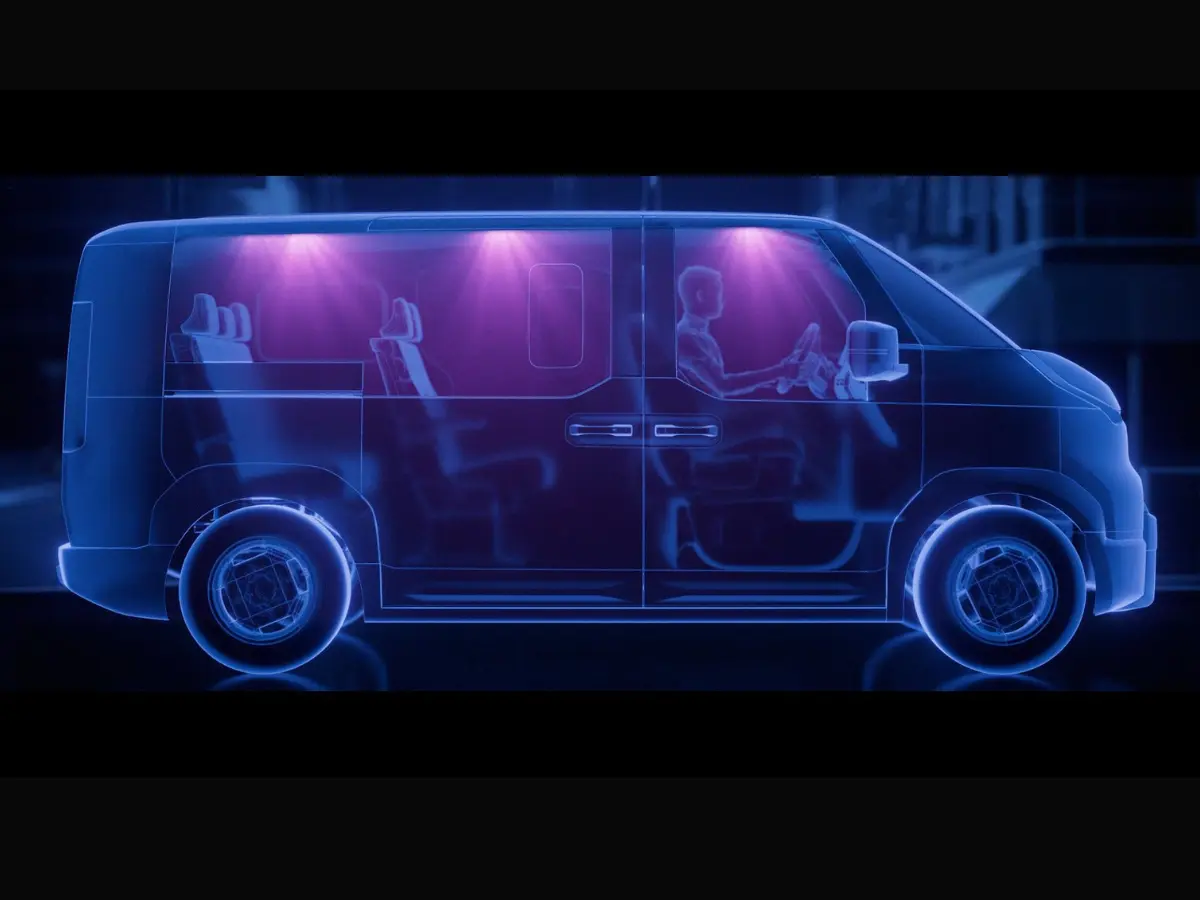
The key to Plasma Care UVC lies in its use of Far-UVC light (200-230 nm). Not all UV light behaves the same way. While conventional UVC is widely used for sterilisation, it cannot be used around people because direct exposure can harm the skin and eyes. Far-UVC operates at a shorter wavelength, allowing it to kill bacteria and viruses while limiting how deeply it penetrates human skin.
| UV Type | Wavelength | Key characteristics | Typical application |
|---|---|---|---|
| UVA | 315-400 nm | Lowest-energy UV light; mainly causes chemical reactions | Industrial curing processes |
| UVB | 280-315 nm | Can affect human skin and is used in medical treatments | Phototherapy for skin diseases |
| UVC | 200-280 nm | Highly effective at killing bacteria and viruses, but unsafe for direct human exposure | UV sterilisers and enclosed-space disinfection |
| Far-UVC | 200-230 nm | Kills bacteria and viruses while having very limited penetration into human skin | Hyundai and Kia Plasma Care UVC |
Far-UVC falls at the lower end of the UVC spectrum (200-230 nm). According to Hyundai and Kia, this wavelength is effective at damaging the DNA of bacteria and viruses but does not penetrate beyond the outer keratin layer of human skin. That is what allows the system to operate while passengers are inside the vehicle.
Producing Far-UVC light is also more challenging than generating conventional UVC. Standard UV LEDs cannot reliably create light in this wavelength range, so Hyundai and Kia use a plasma lamp instead. This enables the system to deliver a stable Far-UVC output suitable for continuous use inside the cabin.
Hyundai & Kia Plasma Care UVC — The challenge of adapting Far-UVC for cars
Developing a Far-UVC system for a vehicle was far more challenging than using it in places like hospitals or schools. A car cabin is much smaller, passengers sit much closer to the light source, and modern vehicles are packed with sensitive electronic components that could be affected by UV radiation.
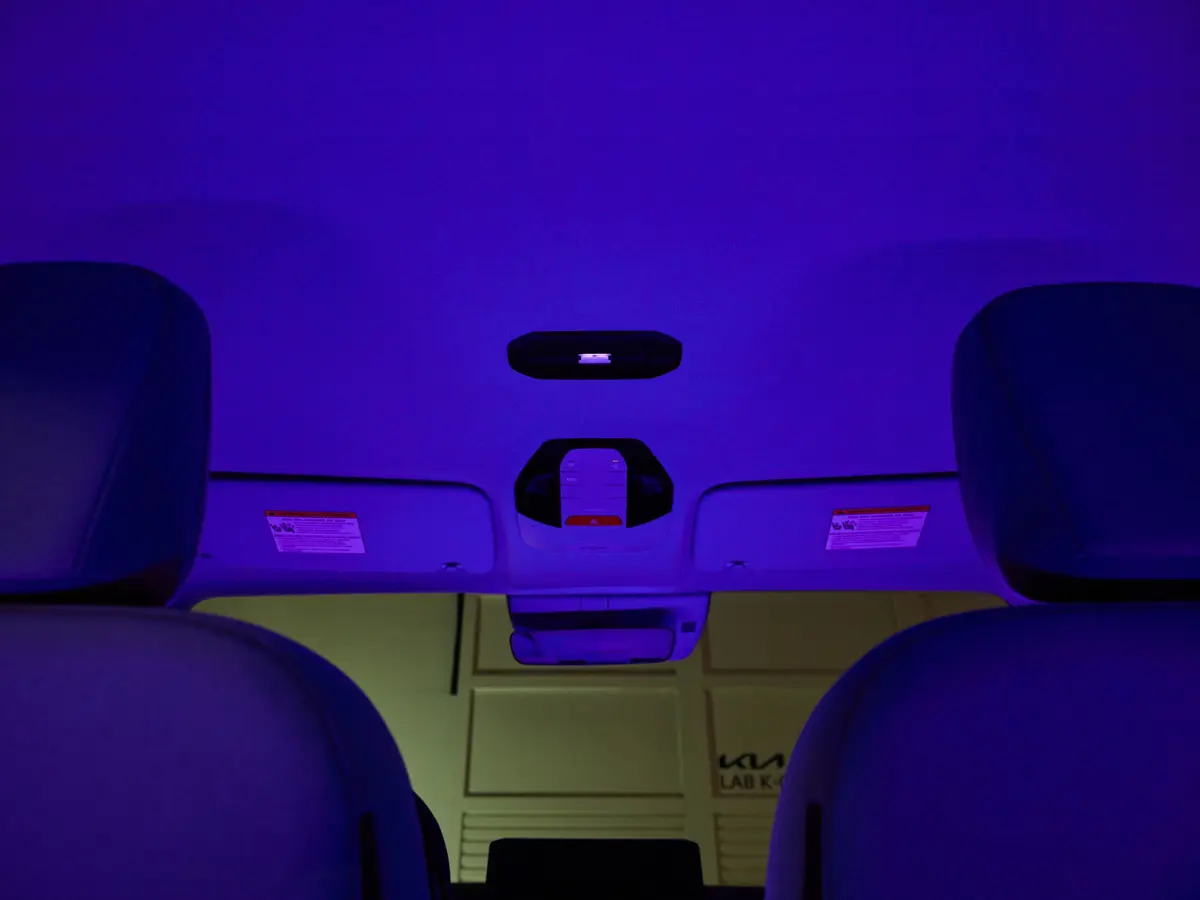
To overcome these challenges, Hyundai and Kia developed a dedicated plasma lamp capable of producing the required 200-230 nm Far-UVC light, something conventional LEDs cannot reliably achieve. The entire system was also made compact and power-efficient so it could fit inside a vehicle and operate without placing extra load on the electrical system.
The company also engineered the unit to withstand everyday driving conditions, including vibrations and changing temperatures. Finally, a special optical filter was added to make that only the intended Far-UVC wavelengths are emitted while blocking unwanted UV light, providing an additional layer of safety for occupants.
Plasma Care UVC was tested in three stages
Before introducing the system, Hyundai and Kia tested Plasma Care UVC in laboratories, a controlled chamber, and a real vehicle to make sure it worked in different conditions. The results showed strong sanitisation performance at every stage.
| Test | Testing body | Result | Test conditions |
|---|---|---|---|
| Airborne virus test | Korea Testing Laboratory (KTL) | 96.8% reduction | 8 m³ chamber, 30 minutes |
| Pneumonia bacteria test | Seoul National University Agriculture and Life Sciences Venture Centre | 99.9% eradication in 30 seconds, 100% in 60 seconds | Direct Far-UVC exposure |
| Real-vehicle test (E. coli) | Korea Automotive Technology Institute (KATECH) | 99.9% eradication | 40 minutes inside a Kia PV5 |
The testing was carried out in these three stages to test how the system worked in different conditions. It first proved effective against bacteria in laboratory testing, then demonstrated its ability to sanitise the air in a controlled environment, and finally delivered similar results inside a real vehicle. This step-by-step validation gives Hyundai and Kia greater confidence that the technology can perform as intended in everyday use.
Hyundai and Kia Plasma Care UVC — Odour reduction is an added benefit
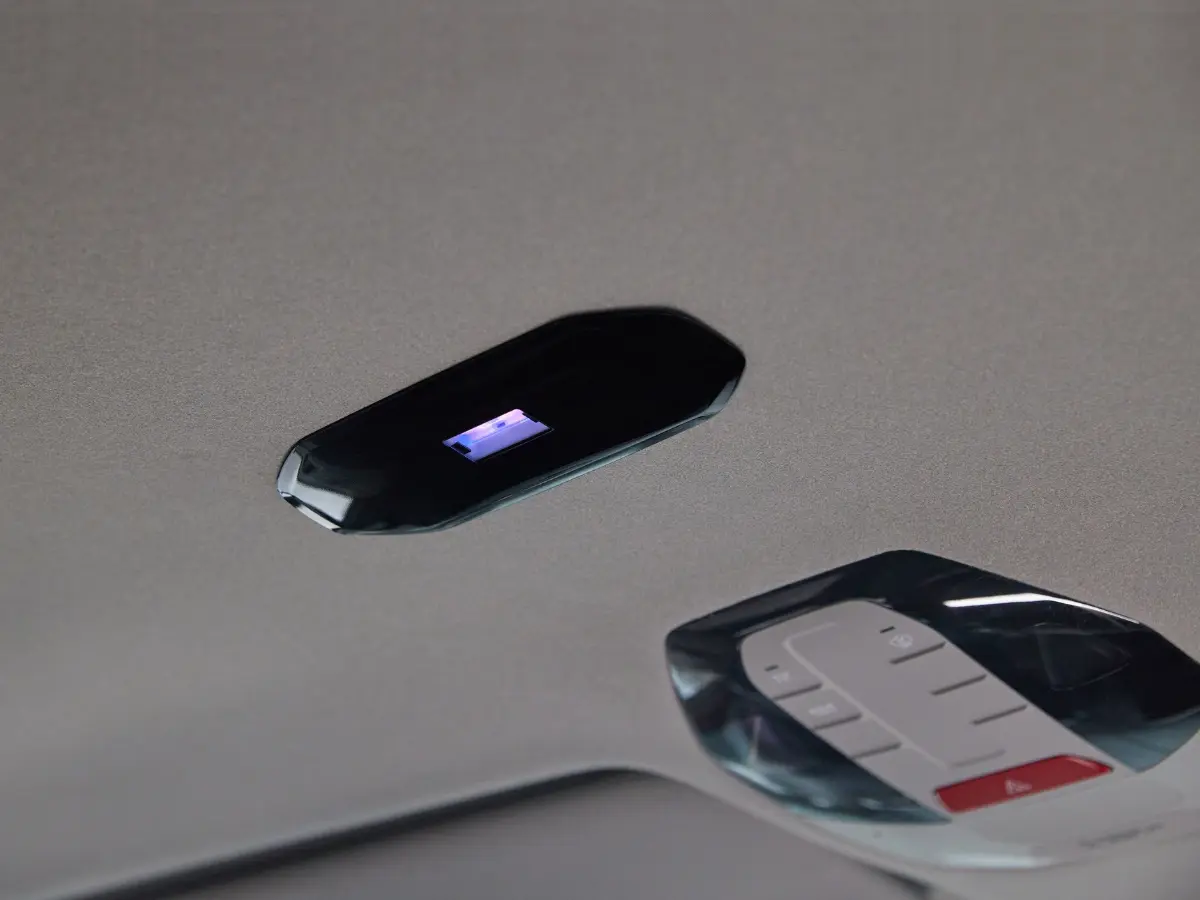
Besides killing bacteria and viruses, Plasma Care UVC also helps keep the cabin smelling fresh. Many unpleasant odours inside a car are caused by bacteria growing on surfaces and in the air-conditioning system. By reducing these bacteria, the system helps eliminate the source of the smell rather than simply masking it. This makes improved cabin freshness an added benefit alongside its sanitisation function.
Still under development, not ready for production
It is important to note that Plasma Care UVC is still a research and development project. Hyundai and Kia have not confirmed when the technology will be introduced in production vehicles, and it is not currently available on any model.
Before it reaches customers, the system will undergo further testing to meet international safety standards and secure the necessary regulatory approvals in different markets. While the initial test results are encouraging, Hyundai and Kia have made it clear that more development and validation are required before the technology is ready for commercial use.
Meanwhile, stay updated with all the latest happenings & developments in the automotive world by joining our official AUTOVERSE WhatsApp community. Also, don’t forget to check out our YouTube channel, AUTOVERSE by Cars24, for key details & visuals.