Why India is pushing for higher ethanol blending in petrol — From E20 to E85
- 1India imported 243.2 million tonnes of crude oil in FY2025
- 2Preliminary vehicle testing for E85 has already been completed
- 3Only about 1,100 cr L of India’s 2,000 cr L ethanol capacity is currently in use
India has reached a major milestone in its fuel plan. On April 1, 2026, the country mandated the nationwide sale of E20 petrol, fuel blended with 20% ethanol, ahead of its originally planned target of 2030.
But this is not the end. Soon after the rollout, officials confirmed that a draft for E85 fuel, which uses 85% ethanol, is almost ready. Initial vehicle testing has been done and consultations are complete. The plan is clear. India wants to increase ethanol use further. The big question now is whether the country is ready for this shift.
Why India is in a hurry to move beyond E20
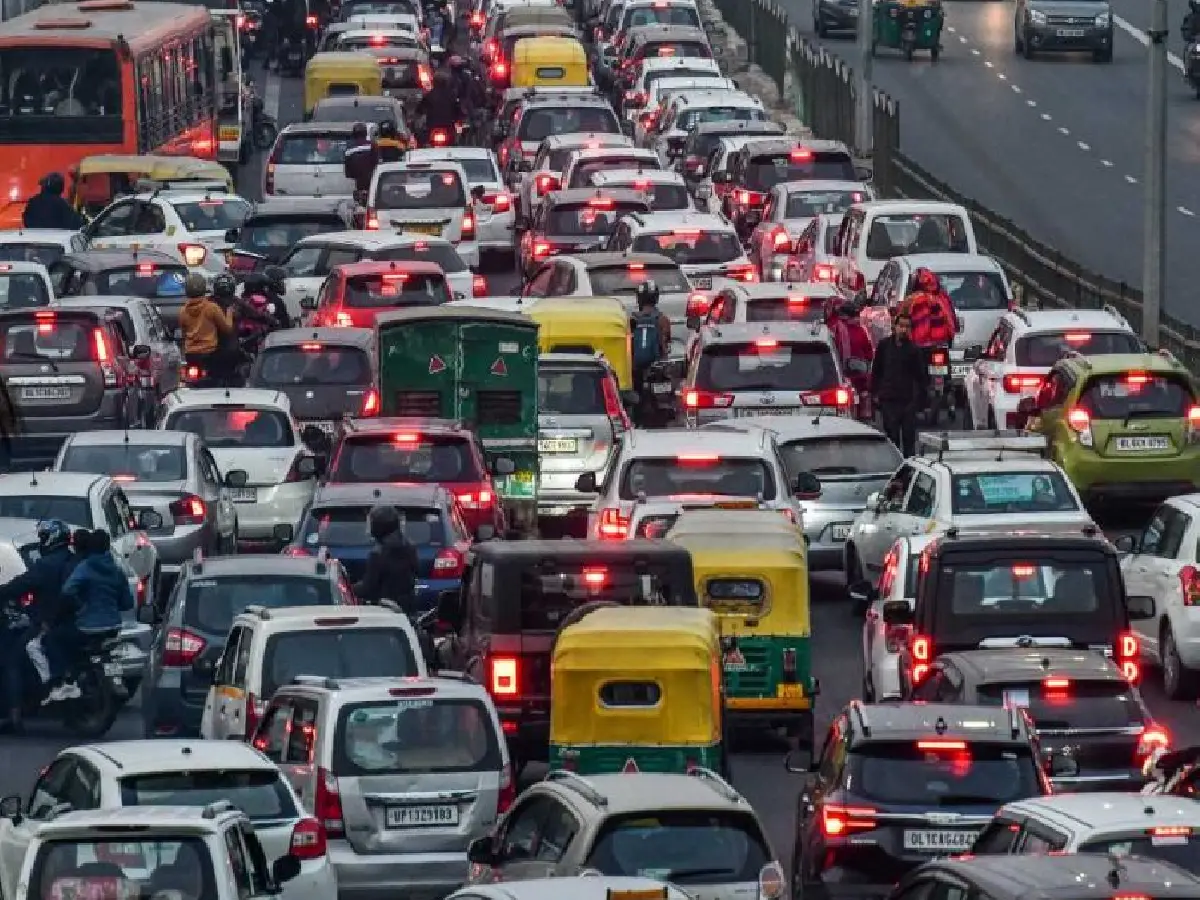
India’s fuel import bill shows the scale of the challenge. In FY2025, the country imported 243.2 million tonnes of crude oil, costing over Rs 11.6 lakh crore. This number has been rising, and global tensions in West Asia have made prices more unstable.
India still imports around 85% of its crude needs. This makes the economy vulnerable, which is why the Ethanol Blended Petrol programme was pushed over the last decade. In about 11 years, it has helped save over Rs 1.44 lakh crore in foreign exchange.
At 20% blending, the savings are meaningful but limited. Moving to E85 would be a much bigger shift. Ethanol production has reached around 1,800 crore litres in 2025 to 26, while total capacity is about 2,000 crore litres. More capacity is expected in the coming years, so higher blending is one way to use it better.
What E85 actually means and what it demands
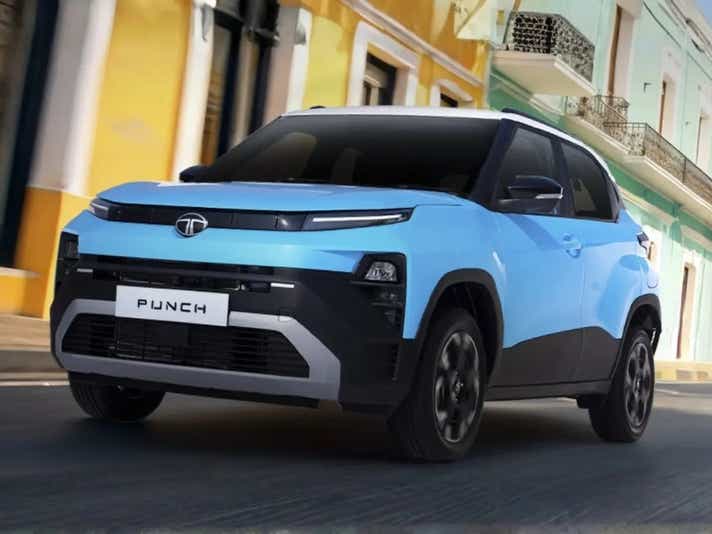
E85 is not just a higher blend of ethanol. It needs a different kind of vehicle. Most cars, bikes, and scooters in India today are built for petrol and can handle blends up to about 20 to 30 percent ethanol. Vehicles made after April 2023 are E20 compliant, and some can manage slightly higher blends. But E85 is very different.
To use E85, the vehicle needs to be a flex fuel model. This means the engine and fuel system are specially designed to handle higher ethanol content. Using E85 in a regular car can lead to damage, corrosion, and poor performance. The government has said this shift will not happen quickly. A draft policy will first allow testing of E85 vehicles under standard rules. This will check performance, emissions, and durability. Only after that will wider rollout begin. Officials expect E85 ready vehicles to become more common in the next two to three years.
Challenges that cannot be glossed over
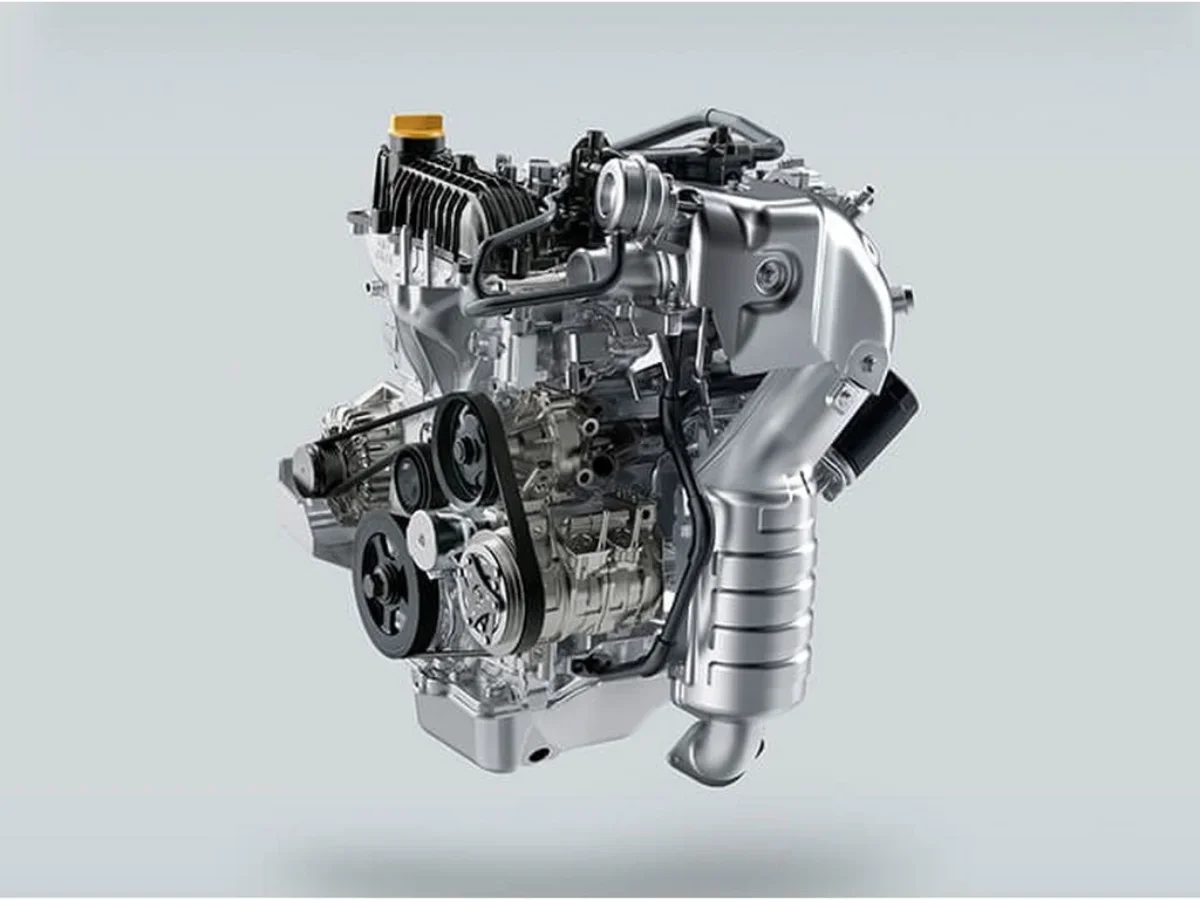
Higher ethanol blending comes with trade offs. Most of the 300 million vehicles on Indian roads are not built for E85, so a separate fuel option like E20 will still be needed. Ethanol also has lower energy than petrol, so mileage will drop and pricing will need to make up for that.
Fuel stations will need new storage and dispensing systems, which takes time and investment. Ethanol production depends heavily on sugarcane, which uses a lot of water, so scaling up needs other sources like corn or biomass. Older vehicles also face higher risk of corrosion with such blends.
For the auto industry, this creates both pressure and opportunity. Carmakers will need to develop flex fuel vehicles, and some like Maruti Suzuki, Toyota, and Bajaj Auto have already started working on it. At the same time, it opens a new segment, with fleet operators likely to adopt it early.
India’s ethanol roadmap moves from E20 to E85
The government’s push for higher ethanol blending connects to three key goals. First is energy security, as reducing crude imports lowers exposure to global price shocks. Estimates suggest E20 alone can save about Rs 43,000 crore in foreign exchange each year.
Second is farm income, since ethanol production from crops like sugarcane and maize supports rural earnings, with payouts estimated around Rs 40,000 crore. Third is emissions, as ethanol burns cleaner than petrol and helps reduce pollution. None of these alone justify a big shift, but together they make a strong case if the transition is managed carefully.
India is not alone — what global experience tells us
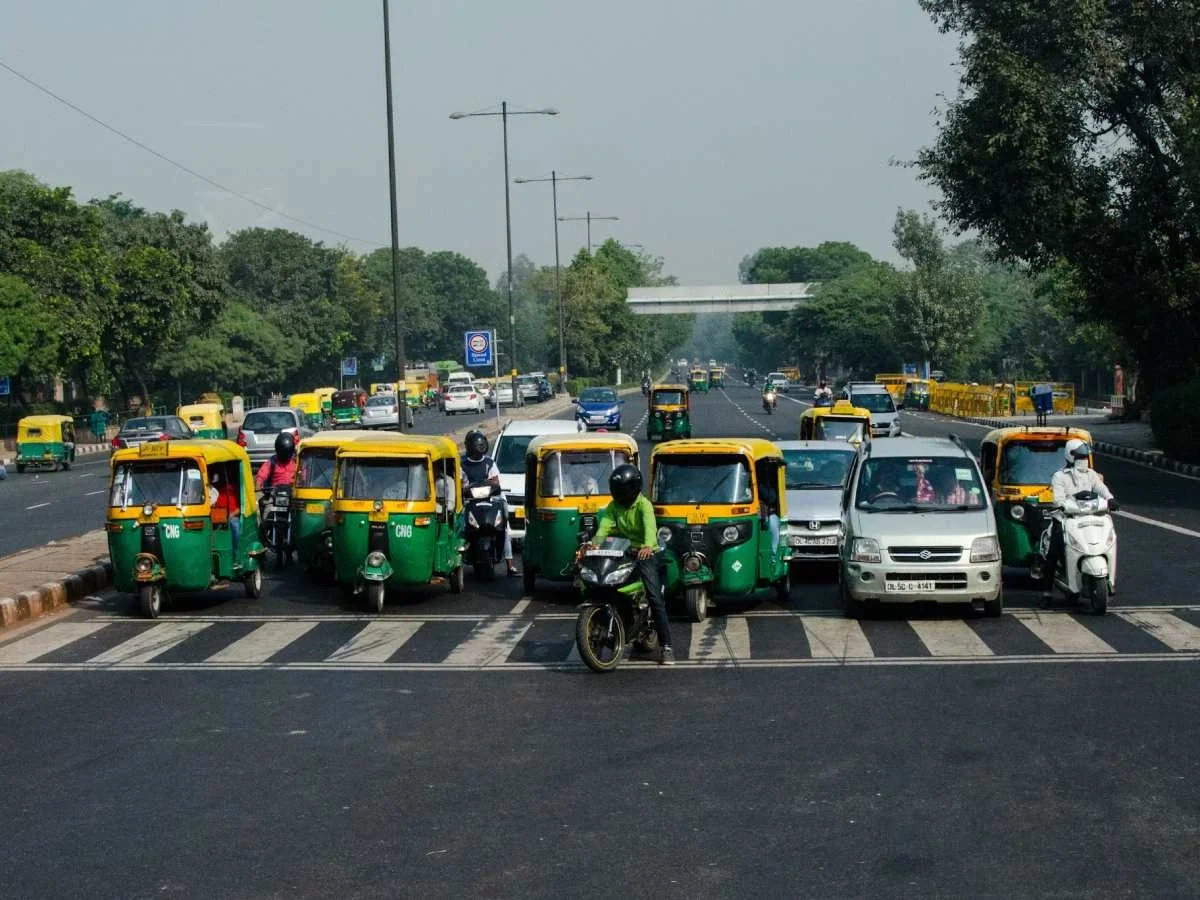
Countries that have adopted high ethanol blending offer clear lessons. Brazil runs around E27 and has widespread flex fuel vehicle use, supported by strong sugarcane supply and stable pricing. France has pushed E85 with subsidies and wide fuel station availability, showing that adoption depends on cost benefits. The United States uses E15 widely, with some presence of E85 but uneven access. Overall, success depends on clear pricing, gradual vehicle readiness, and building infrastructure early.
To stay updated with all happenings and developments in the automotive world and be a part of interesting auto discussions and more, join our official AUTOVERSE Whatsapp community. Also, consider visiting our YouTube channel, AUTOVERSE By Cars24, as we bring to you key details and visuals.