BYD car prices to go up again from July 2026 — Here’s how much more buyers will have to pay
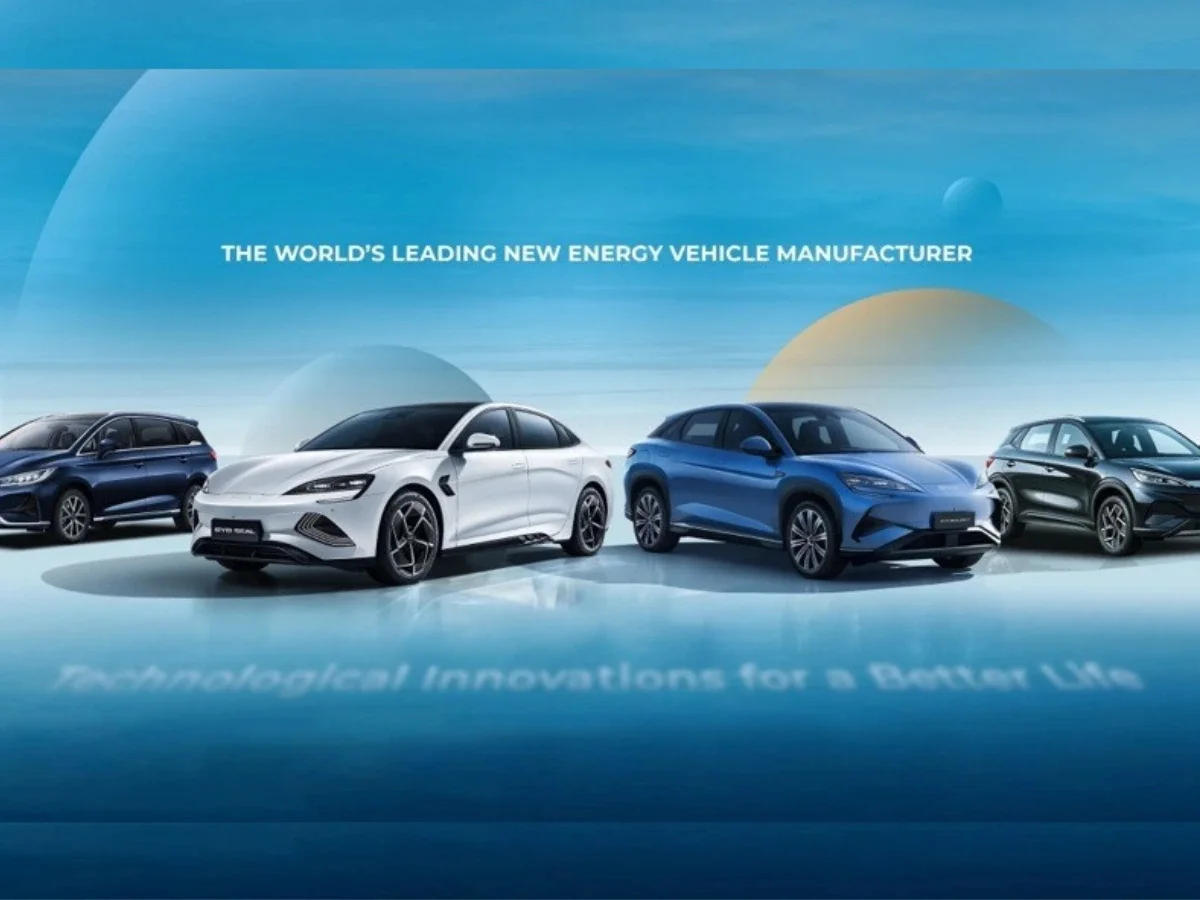
- 1BYD India announced its third price hike effective from July 1, 2026
- 2Prices will increase by 1 to 2 percent depending on the model and variant chosen
- 3BYD currently operates 48 dealerships across 40 cities in India
Three price hikes in a single calendar year is not something most car buyers expect from any brand, let alone one still working to build a foothold in a highly price-sensitive market. But that is exactly where BYD India finds itself heading into the second half of 2026.
Recently, the company announced a fresh upward revision across its entire electric vehicle lineup, effective July 1. This is the third such move in under six months. Each hike has come with a different explanation, but a common thread runs through all three.
BYD car, three hikes in 2026 — what happened and when
| When | Scope | Magnitude | Reason cited |
|---|---|---|---|
| January 2026 | Sealion 7 Premium only | Rs 50,000 fixed | Not disclosed |
| May 2026 | Entire lineup | Up to 3% | Strait of Hormuz disruption |
| July 1, 2026 | Entire lineup | 1–2% | Foreign exchange fluctuations |
The first price hike of 2026 came in January and affected only one variant. BYD increased the price of the BYD Sealion 7 Premium variant by Rs 50,000. Its price moved from Rs 48.90 lakh to Rs 49.40 lakh ex-showroom, while the rest of the lineup remained unchanged.
The second price revision arrived in May 2026 and was much wider. BYD increased prices by up to 3% across all four models sold in India. The company linked the hike to rising logistics costs caused by disruptions around the Strait of Hormuz. Since BYD sells only fully imported cars in India, higher shipping costs directly affected pricing.
The third hike was announced on May 13 and will come into effect from July 1, 2026. This time, prices will go up by another 1% to 2%, depending on the model and variant. BYD has cited foreign exchange rate fluctuations as the reason for this latest increase.
Forex problem — Why BYD is more exposed than most
BYD is more affected by currency movement because all of its cars sold in India are fully imported from China. Unlike local manufacturers such as Tata Motors or Mahindra & Mahindra, BYD does not build its EVs in India. The battery pack, powertrain, semiconductors, and body are all imported and paid for in foreign currency before being sold here in rupees.
Over the past year, the rupee has weakened by around 11.82% against major currencies like the US dollar and Chinese yuan. This directly increases BYD’s costs in India. For buyers, the impact becomes noticeable on higher-priced models. A 2% increase on the BYD Sealion 7, priced at up to Rs 54.90 lakh, works out to roughly Rs 1.1 lakh more. On the BYD Atto 3, which starts at Rs 24.99 lakh, a similar 2% hike adds around Rs 50,000.
What Rajeev Chauhan said about the July price revision
Mr. Rajeev Chauhan, Head of Electric Passenger Vehicles (EPV) Business at BYD India, said, “This price revision is in lieu of foreign exchange fluctuations. Even in a challenging market environment, BYD India remains focused on delivering high-value, advanced, safe, and premium electric mobility solutions to customers. We continue to see strong market demand for products such as the BYD ATTO 3 and the BYD SEALION 7, reflecting growing confidence in premium electric mobility among Indian consumers.”
Meanwhile, stay updated with all the latest happenings & developments in the automotive world by joining our official AUTOVERSE WhatsApp community. Also, don’t forget to check out our YouTube channel, AUTOVERSE by Cars24, for key details & visuals.