Gadkari clears E100 fuel regulations for mass production of flex-fuel vehicles reducing oil imports
- 1Nitin Gadkari signs regulations officially legalizing 100% ethanol fuel for vehicles
- 2Regulations also support adoption of E85, B100 biodiesel, & HCNG alternatives
- 3Toyota, Hyundai & MG expected to launch flex-fuel vehicles within 1.5 months
- India's E100 approval follows years of policy and technical work
- Automakers prepare E100-compatible vehicles for launch
- E100 fuel creates opportunities beyond the auto industry
- What changes are needed for E100-compatible vehicles?
- Why automakers are investing in flex-fuel technology
- What happens next after E100 approval?
India has taken a major step towards reducing oil imports by officially legalising 100% ethanol (E100) fuel for automotive use. Union Minister for Road Transport and Highways Nitin Gadkari announced that the regulatory framework has been signed, completing a policy effort that has been in development for several years.
The approval of E100 fuel regulations allows automakers to develop and sell vehicles designed to run on pure ethanol. These vehicles will also be able to remain compatible with conventional petrol, giving manufacturers and consumers greater flexibility as India expands the use of biofuels.
India's E100 approval follows years of policy and technical work
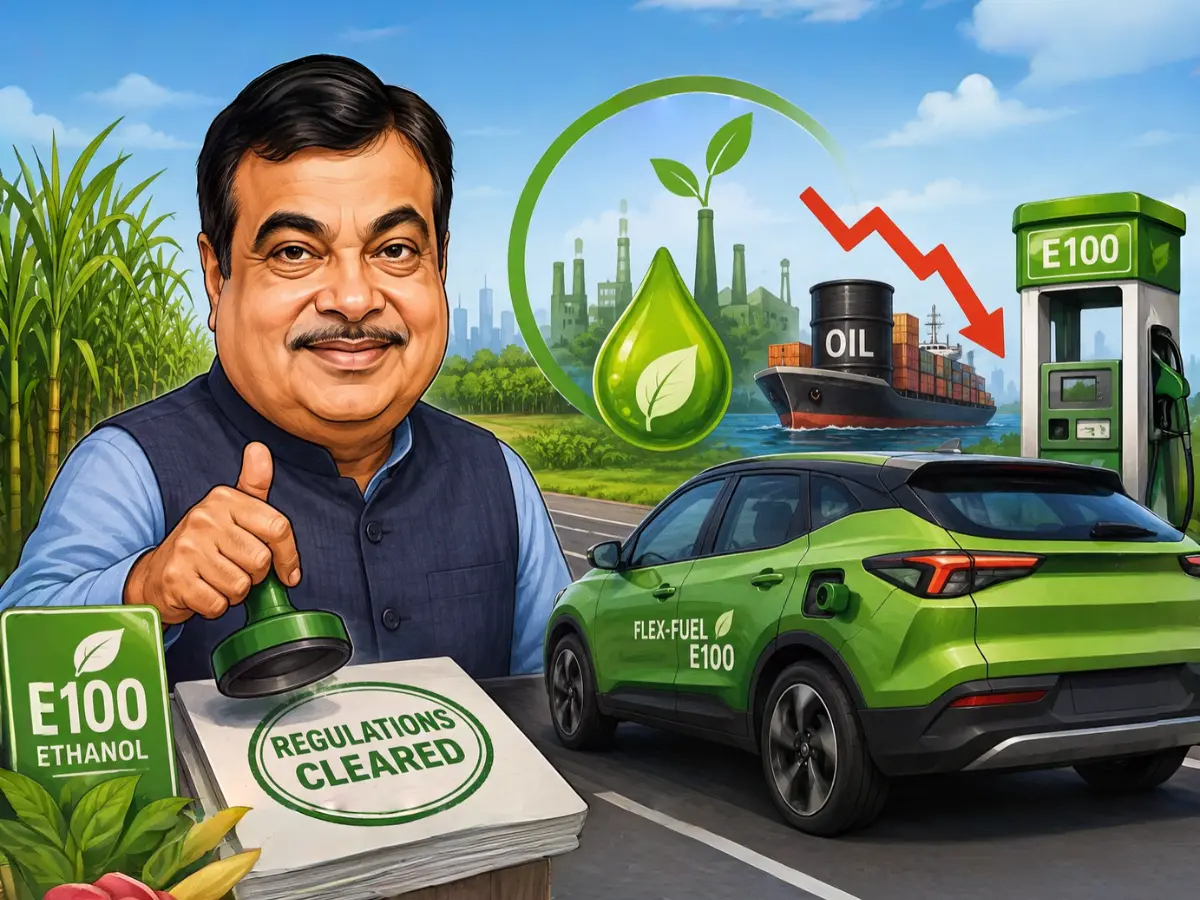
The approval of E100 fuel comes after several years of research, discussions, and technical development. According to Nitin Gadkari, the idea of running vehicles on 100% ethanol was initially met with skepticism due to concerns around technical feasibility, fuel infrastructure, and vehicle compatibility. Over time, improvements in ethanol production, distribution networks, and flex-fuel technology have helped address these challenges, making E100 a viable option.
The signing of the revised Central Motor Vehicles Rules (CMVR) reflects the government's view that flex-fuel technology is now ready for wider adoption. The new framework supports not only E100 and E85 ethanol fuels but also B100 biodiesel, hydrogen-CNG blends, and other alternative fuels. This creates a broader regulatory foundation for cleaner and more diverse energy sources in the future.
Automakers prepare E100-compatible vehicles for launch
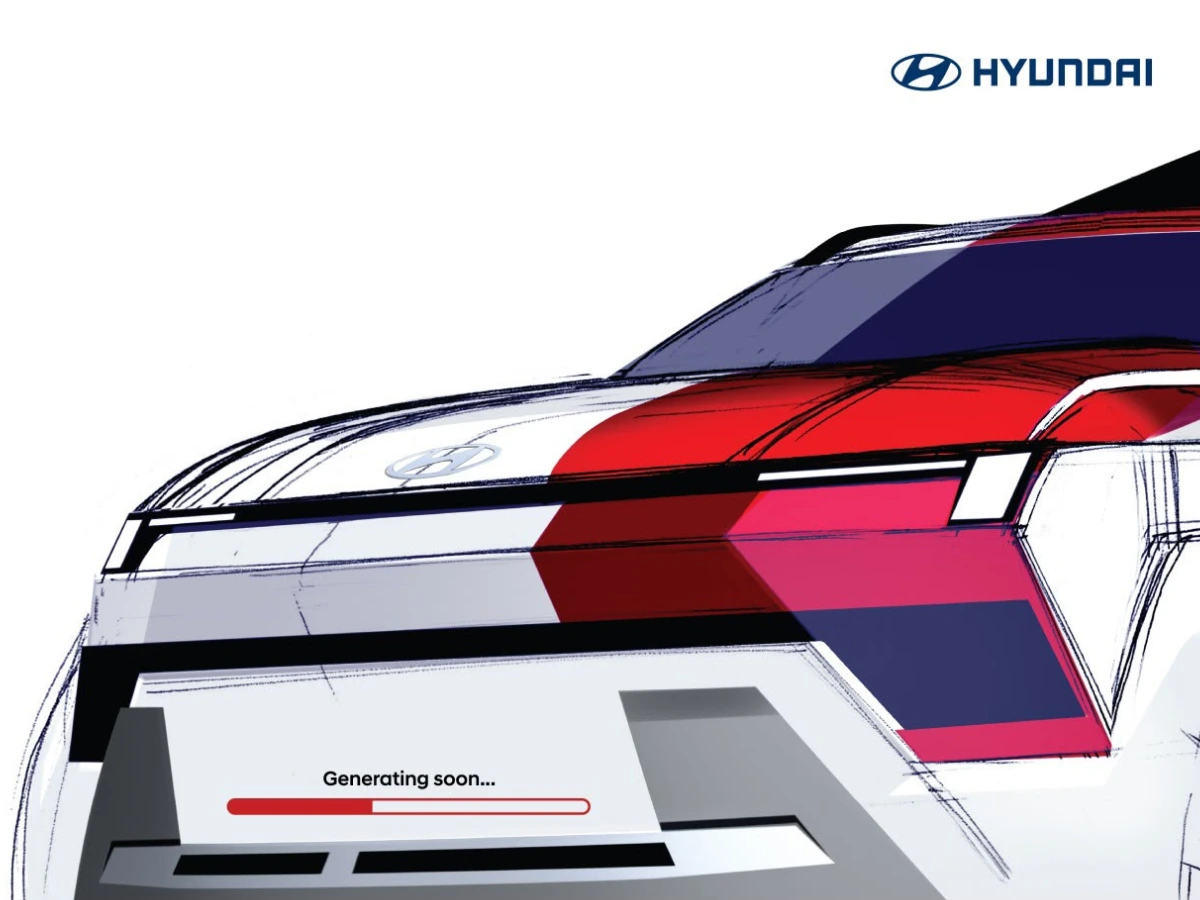
Major automakers including Toyota, Maruti Suzuki, Hyundai and MG have already been working on E100-compatible vehicles ahead of the regulatory approval. According to Nitin Gadkari, these manufacturers are expected to introduce E100-compatible models within the next 1.5 months, suggesting that development and production preparations are already at an advanced stage.
The groundwork has already been laid in the two-wheeler segment. Recently, Hero MotoCorp launched E85 flex-fuel versions of the Splendor Plus and HF Deluxe. These motorcycles demonstrated that ethanol-compatible vehicles can be successfully brought to market and accepted by consumers. Their rollout has also provided real-world data on performance, durability and everyday usability, which can help manufacturers as they prepare to launch E100-compatible four-wheelers.
E100 fuel creates opportunities beyond the auto industry
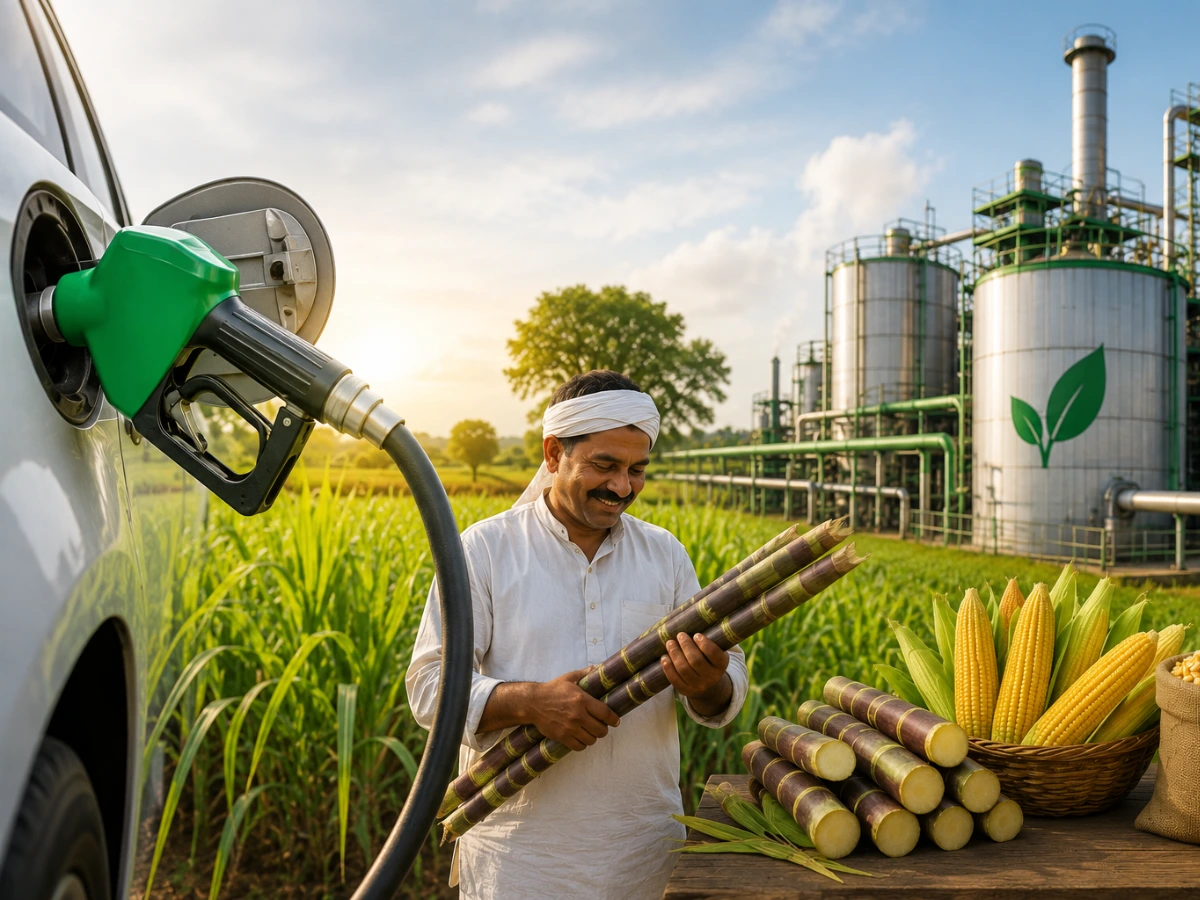
The shift towards ethanol-powered vehicles supports several goals at the same time. Most importantly, it can help reduce India's dependence on imported crude oil by replacing a portion of petrol consumption with domestically produced ethanol. Ethanol is mainly produced from agricultural crops such as sugarcane and corn, and India already has a growing ethanol production network. Greater use of ethanol can improve energy security and reduce the country's spending on fuel imports.
The move could also benefit farmers and the rural economy. Higher demand for ethanol feedstock crops can support farm incomes and create additional demand for agricultural produce. Increased ethanol production will also help improve the utilisation of existing ethanol plants, supporting jobs and economic activity in rural areas. In addition, stronger demand for ethanol could help sustain older sugarcane processing facilities that are important to many agricultural regions.
What changes are needed for E100-compatible vehicles?
Developing E100-compatible vehicles requires several technical changes. Ethanol has different properties from petrol, so manufacturers need to modify engine calibration, fuel system components, and combustion settings. Vehicles must also use materials that can withstand ethanol's higher solvent characteristics. In addition, engine management systems need to be calibrated to operate efficiently on different fuel blends, from pure ethanol to conventional petrol, depending on fuel availability.
Fuel infrastructure is another important part of the transition. Since E100 fuel will not be available at every petrol station immediately, vehicles must continue to support conventional petrol and lower ethanol blends. This is where flex-fuel technology becomes important, allowing vehicles to run on E100, E85, or regular petrol without any issues during the gradual expansion of fuel infrastructure.
Why automakers are investing in flex-fuel technology
E100-compatible vehicles could also create new opportunities for Indian automakers. As global markets place greater emphasis on alternative fuels and lower emissions, flex-fuel vehicles can help manufacturers attract buyers looking for more sustainable mobility options. It also allows brands to position themselves as companies investing in cleaner and more diverse fuel technologies.
For consumers, ethanol-powered vehicles could offer lower running costs if ethanol remains cheaper than petrol. Over time, these savings can add up. Ethanol also burns cleaner than conventional petrol, which can help reduce emissions when used in properly designed flex-fuel vehicles. Together, these benefits make ethanol-powered vehicles a practical option for many buyers.
What happens next after E100 approval?
While automakers are expected to launch E100-compatible vehicles within the next 1.5 months, fuel infrastructure will need to expand alongside them. Fuel retailers will gradually increase the availability of E100 and E85 at petrol stations, starting with major cities before expanding to smaller markets and rural areas.
The approval of E100 regulations marks an important step in India's move towards greater energy independence. By allowing the use of pure ethanol fuel and supporting the development of flex-fuel vehicles, the government has created the framework for wider adoption of alternative fuels. The pace of vehicle launches and fuel station expansion will become clearer in the coming months, but the transition has now officially begun.
Stay updated with all the latest happenings & developments in the automotive world by joining our official AUTOVERSE WhatsApp community. Also, don’t forget to check out our YouTube channel, AUTOVERSE by Cars24, for key details & visuals.