Maruti Suzuki is launching 9 new cars by 2029 — Here is what to expect and when
- 1Maruti Suzuki has confirmed it will launch nine new models over the next three years
- 2Seven of the nine upcoming models will be utility vehicles or SUVs
- 3Current product development cycle of 48 months is being compressed to 36 months
- What Maruti has already launched recently
- Maruti's 7-seater electric SUV
- An entry-level SUV below the Fronx
- Maruti Suzuki Brezza Facelift
- Hybrid facelifts for Maruti Fronx, Baleno, and Swift
- Maruti Solio — A compact 7-seater below the Ertiga
- How Maruti plans to accelerate new model development
- Road ahead for Maruti Suzuki
India is the world's third-largest car market, and Maruti Suzuki continues to lead it with a market share of nearly 40%. However, competition is intensifying as new brands, powertrain technologies, and SUVs gain popularity across segments.
To strengthen its position, Maruti Suzuki is preparing a major product offensive over the next three years. The company has confirmed nine new models, with seven of them set to be SUVs or utility vehicles. The strategy reflects the growing demand for larger vehicles and the shift away from traditional hatchbacks.
Here's a look at Maruti Suzuki's upcoming product pipeline, including models that have already launched and those expected to arrive over the next three years.
What Maruti has already launched recently

Before looking at the upcoming launches, it is important to consider the groundwork Maruti has already laid. The e Vitara marked the brand's entry into the electric vehicle segment, while the Victoris became its largest and most premium mass-market MPV, crossing the one lakh sales mark in less than nine months.
The Fronx also reached a cumulative sales milestone of five lakh units. In addition, Maruti updated the Dzire and introduced the Wagon R Flex Fuel in June 2026. These developments have helped strengthen the brand's portfolio ahead of its next wave of products.
Maruti's 7-seater electric SUV
| Detail | Information |
|---|---|
| Codename | YMC |
| Body style | 7-seater electric SUV |
| Platform | Same as e Vitara |
| Battery options | 49kWh (440km) and 61kWh (543km) |
| Expected price | Rs 17.50 lakh to Rs 23 lakh (on-road, Mumbai) |
| Expected launch | 2027 |
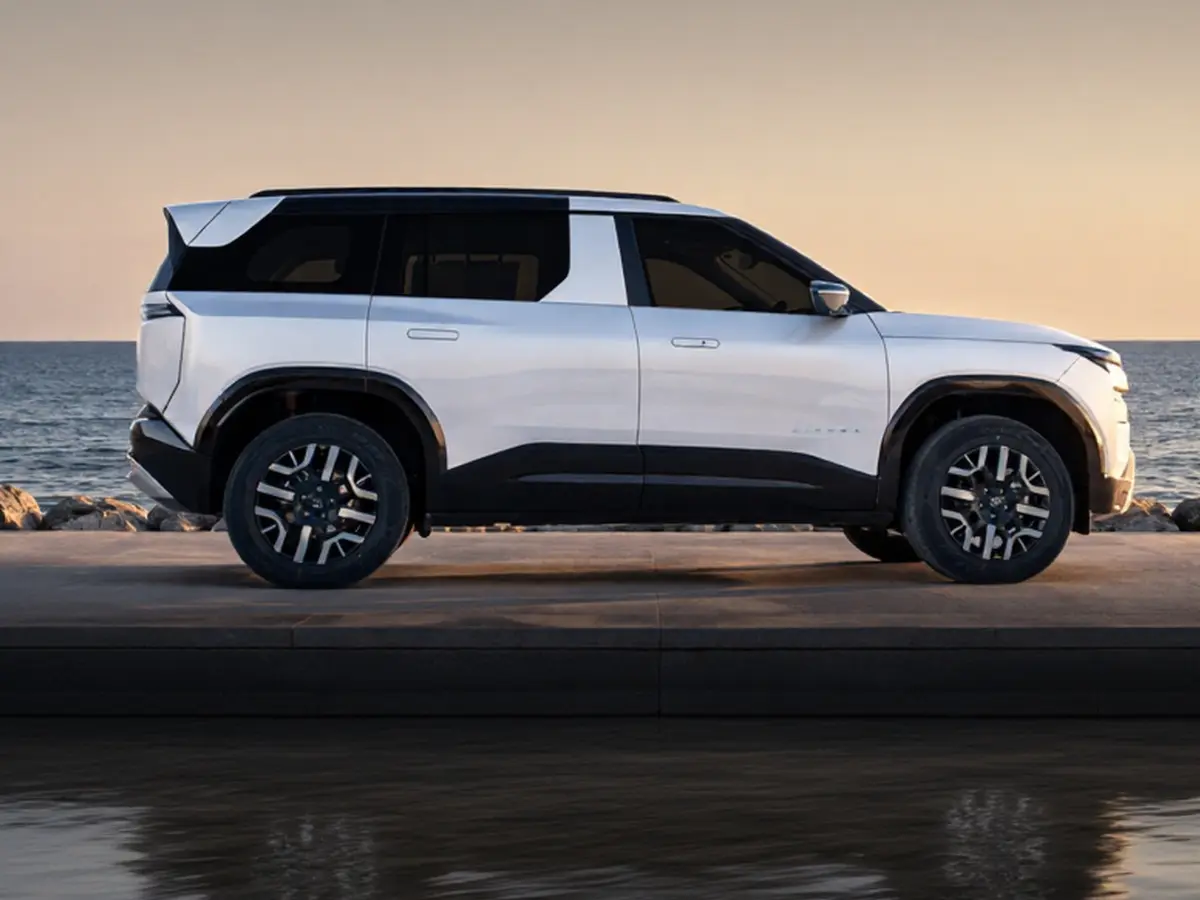
The YMC is expected to be the most important model in Maruti's upcoming product lineup. It will be a three-row electric SUV and the brand's second EV after the e Vitara. Based on the same platform as the e Vitara, the YMC is expected to share its battery options, features, and charging technology.
The SUV is likely to be offered with the same 49kWh and 61kWh battery packs available in the e Vitara, which deliver claimed ranges of around 440km and 543km respectively. However, the larger size and additional third row could result in a slightly lower range figure.
The YMC has already been spotted testing in India. Spy shots reveal a boxy design, an upright stance, and a wider rear section, all of which point to a practical three-row layout. Sharing its platform with the e Vitara should also help Maruti bring the model to market more efficiently.
An entry-level SUV below the Fronx
| Detail | Information |
|---|---|
| Codename | Y43 |
| Segment | Entry-level compact SUV |
| Expected rival | Tata Punch |
| Engine expected | 1.2L NA petrol, CNG option |
| Expected price | Starting around Rs 6 lakh (on-road, Mumbai) |
| Expected launch | 2027 |
Maruti currently does not have a direct rival to the Tata Punch, one of the country's consistent top sellers. The Y43 is being developed to address exactly that gap. It will sit below the Fronx in the Maruti lineup and is expected to use a 1.2-litre naturally aspirated petrol engine, with CNG likely as an option. Features are expected to be borrowed from the Fronx. With a starting price in the region of Rs 6 lakh, it would undercut the Punch on entry price while giving Maruti a foothold in one of the fastest-growing segments in Indian passenger vehicles.
Maruti Suzuki Brezza Facelift
| Detail | Information |
|---|---|
| Model | Brezza Facelift |
| Changes confirmed (spy shots) | Underbody CNG tank, revised exterior |
| Tech upgrades expected | 10.1-inch screen, ventilated seats, digital cluster |
| Engine | Existing 1.5L + new 1.2L turbo petrol possibly |
| Expected price | Rs 9 lakh to Rs 15 lakh (on-road, Mumbai) |
| Expected launch | End of 2026 or early 2027 |
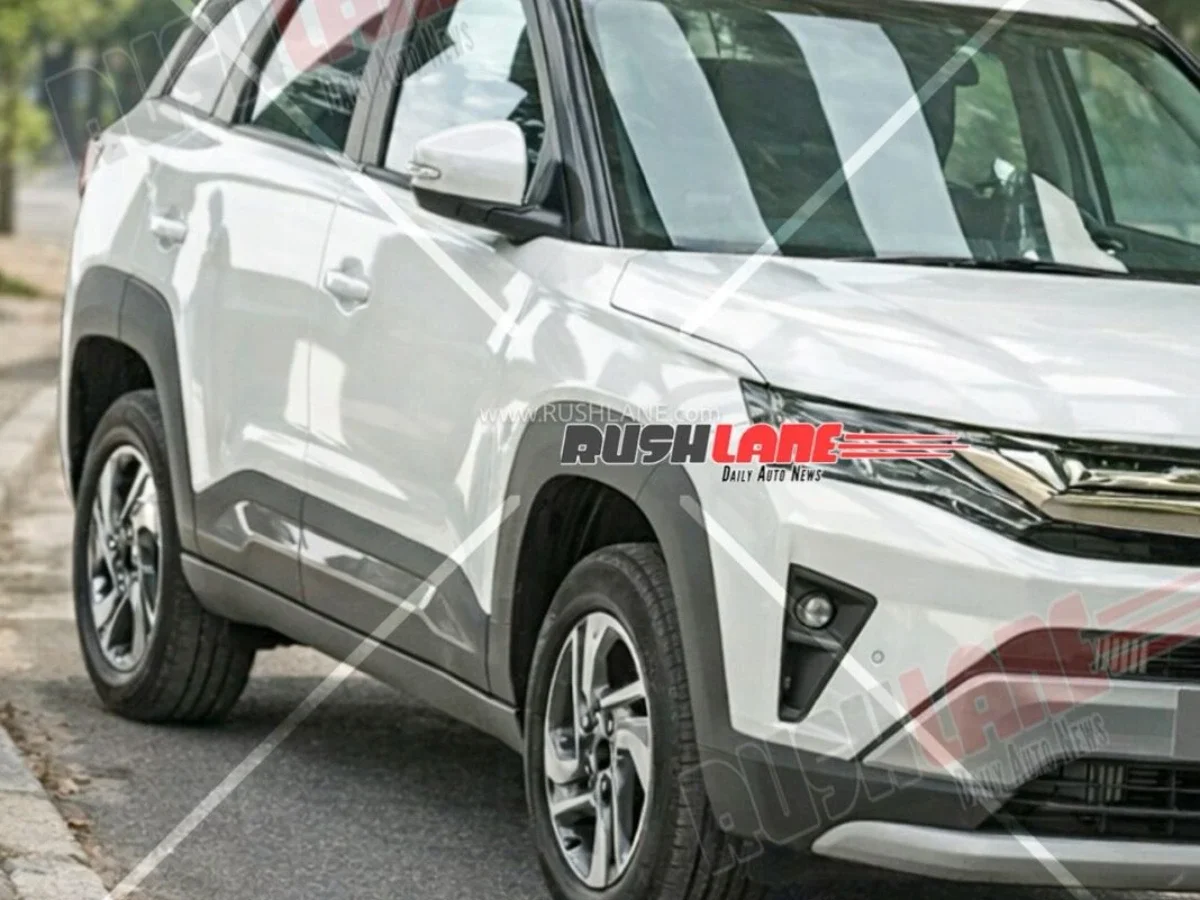
The Brezza facelift is expected to bring a range of updates to one of Maruti's best-selling SUVs. Test mules spotted in recent months have revealed several changes, including an underbody-mounted CNG tank similar to the setup used in the Victoris. This could allow the Brezza CNG to retain its full boot space.
The facelift is also expected to introduce features such as a larger 10.1-inch touchscreen, ventilated front seats, a powered driver's seat, a digital instrument cluster, and updated exterior styling.
Reports also suggest that Maruti could introduce a new 1.2-litre turbo-petrol engine with the facelift. The new engine is expected to offer a balance of improved performance and efficiency while meeting upcoming emission requirements. The Brezza facelift and Grand Vitara facelift have reportedly been spotted testing together, indicating that both models could arrive around a similar timeframe.
Hybrid facelifts for Maruti Fronx, Baleno, and Swift

| Detail | Information |
|---|---|
| Models | Fronx, Baleno, Swift |
| Powertrain type | Series hybrid |
| Engine | New 1.2L NA petrol |
| Expected mileage | Around 30 kmpl |
| Expected price | Rs 10 lakh to Rs 15 lakh (on-road, Mumbai) |
| Expected launch | End of 2026 or early 2027 |
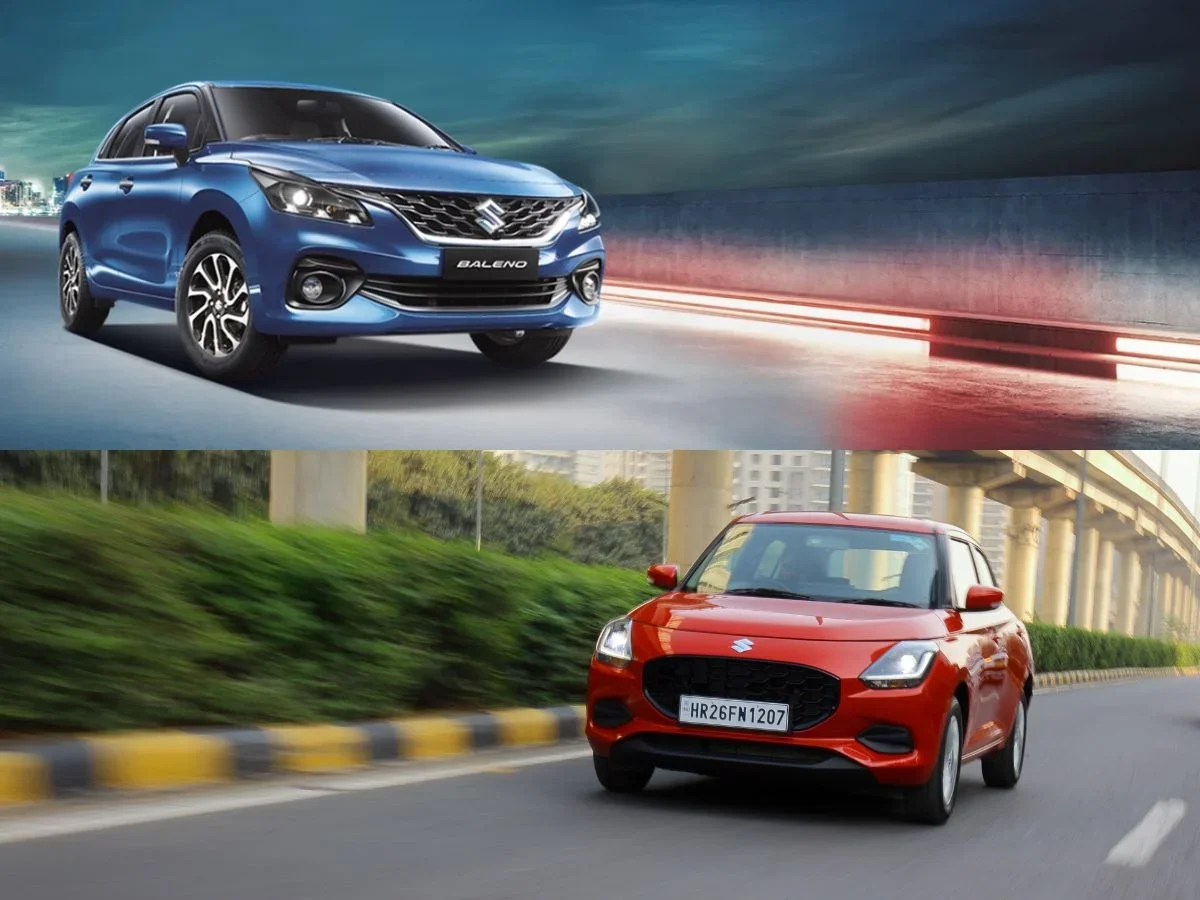
One of the more notable developments in Maruti's future product strategy is a new 1.2-litre petrol engine that can work as part of a series hybrid system. In this setup, the petrol engine generates electricity to charge the battery, while the electric motor powers the wheels. This type of hybrid system is designed to improve fuel efficiency, especially in city driving, with Maruti reportedly targeting fuel economy of around 30 kmpl.
The Fronx, Baleno, and Swift are expected to receive this powertrain as part of their upcoming facelifts, along with design and feature updates. The new hybrid system could help bring electrified technology to a wider range of buyers by offering a more affordable alternative to the strong hybrid systems currently available in models such as the Grand Vitara and Invicto.
Maruti Solio — A compact 7-seater below the Ertiga
| Detail | Information |
|---|---|
| Model | Solio |
| Segment | Compact 7-seater MPV |
| Expected rivals | Renault Triber, Nissan Gravite |
| Engine | 1.2L NA petrol, CNG option |
| Expected price | Starting around Rs 7 lakh (on-road, Mumbai) |
| Expected launch | 2027 |
The Solio occupies an interesting space in the Maruti lineup: a 7-seater that sits below the Ertiga in terms of size and price. Maruti sells the Solio in Japan and some other international markets, and India is on the radar for this model. It is expected to use a 1.2-litre naturally aspirated petrol engine with a CNG variant likely. Features are expected to be borrowed from the Fronx and Baleno rather than the Ertiga.
The Solio would give Maruti an affordable 7-seater option that targets buyers who want the practicality of three rows without stepping up to the Ertiga's price point. Its rivals would be the Renault Triber and the Nissan Gravite, both of which offer compact MPV format with 7-seat capability at entry-level prices.
How Maruti plans to accelerate new model development
Launching nine new models in three years will require more than just a strong product pipeline. Maruti is also making changes to how it develops and manufactures vehicles. The company aims to reduce the development time for a new model from around 48 months to 36 months.
To achieve this, Maruti is increasing the use of AI, machine learning, and simulation-based testing, allowing engineers to identify and address issues earlier in the development process. The company is also working more closely with suppliers from the initial stages of vehicle development, helping reduce delays and improve coordination.
Another key focus is localization. Maruti is targeting over 80% localization for future models at the start of production, which can help reduce costs and limit dependence on imported components. These changes are expected to support the company's growth plans, with production targets for FY2027 estimated at around 2.82 million vehicles.
Road ahead for Maruti Suzuki
With nearly 40% market share and record monthly sales in May 2026, Maruti enters its next product cycle from a position of strength. However, competition from Mahindra, Tata, Hyundai, and other manufacturers continues to intensify. Maruti's response is an ambitious plan to launch nine new models over the next three years, with a strong focus on SUVs, the segment that continues to drive growth in the Indian market.
Meanwhile, stay updated with all the latest happenings & developments in the automotive world by joining our official AUTOVERSE WhatsApp community. Also, don’t forget to check out our YouTube channel, AUTOVERSE by Cars24, for key details & visuals.