BYD India July 2026 price revision — Atto 3, Sealion 7, and Seal get costlier by up to Rs 1 lakh
- 1Certain variants of the Atto 3 and the eMAX 7 are exempt from the revision
- 2Alongside the price hike, BYD India has introduced a new eMAX 7 Comfort variant
- 3Revision is due to rising input costs and inflation
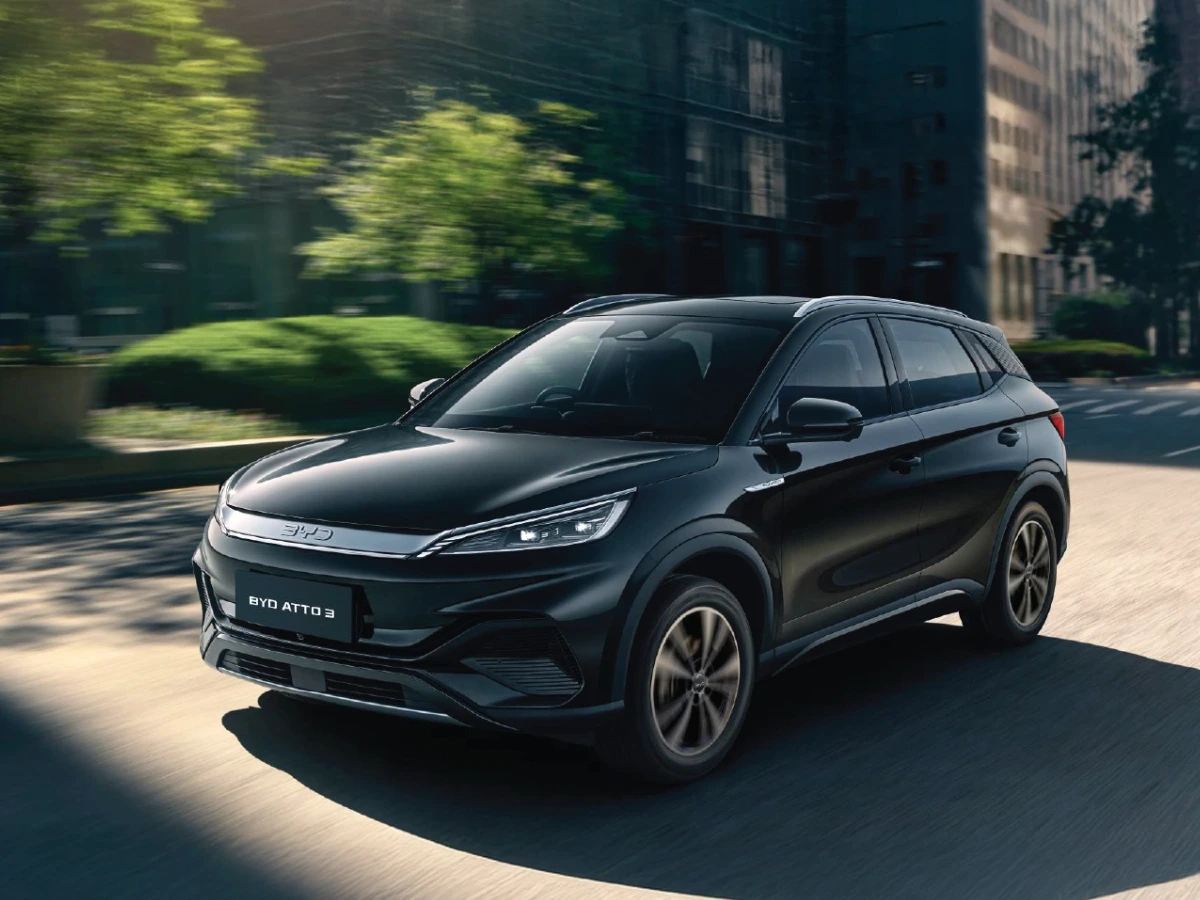
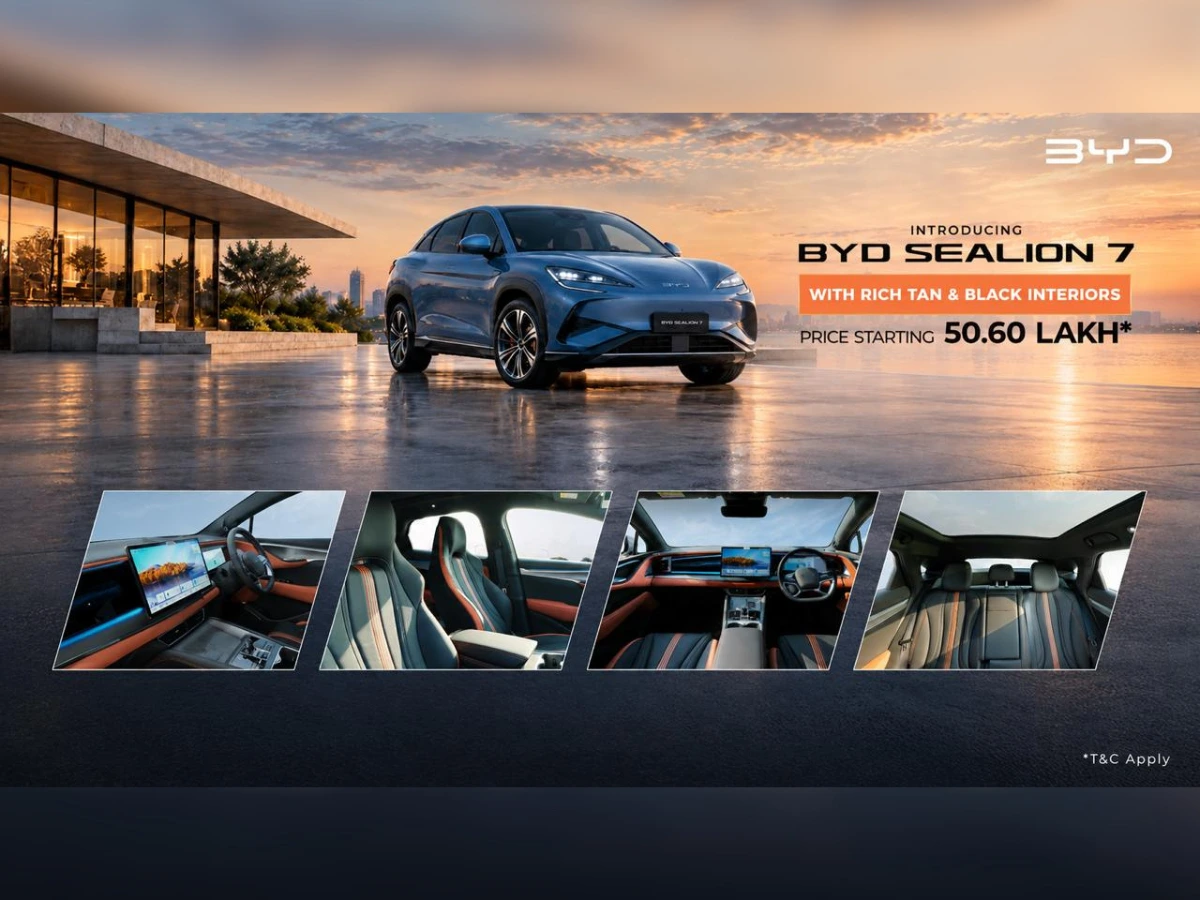
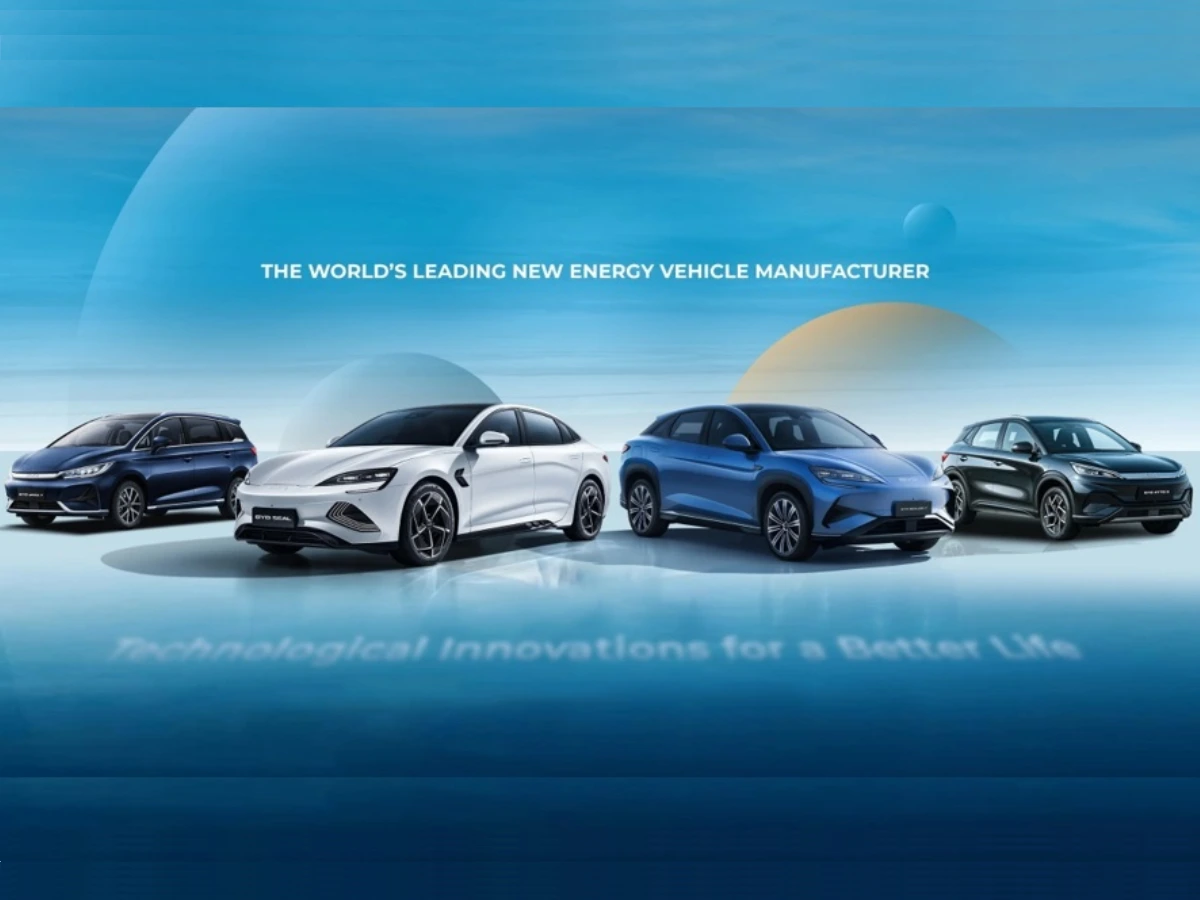
BYD India has revised prices of select variants across its electric vehicle lineup from 1 July 2026. The price hike ranges from Rs 50,000 to Rs 1 lakh, depending on the model and variant. The revision applies to the BYD Atto 3, BYD Sealion 7, and BYD Seal.
Not every variant has received a price increase. Some variants of the Atto 3 continue at their existing prices, while the BYD eMAX 7 remains unchanged across its lineup. BYD has not released a detailed variant-wise price list, so buyers will need to check with their nearest dealership for the updated prices of specific variants.
Reason for the revision
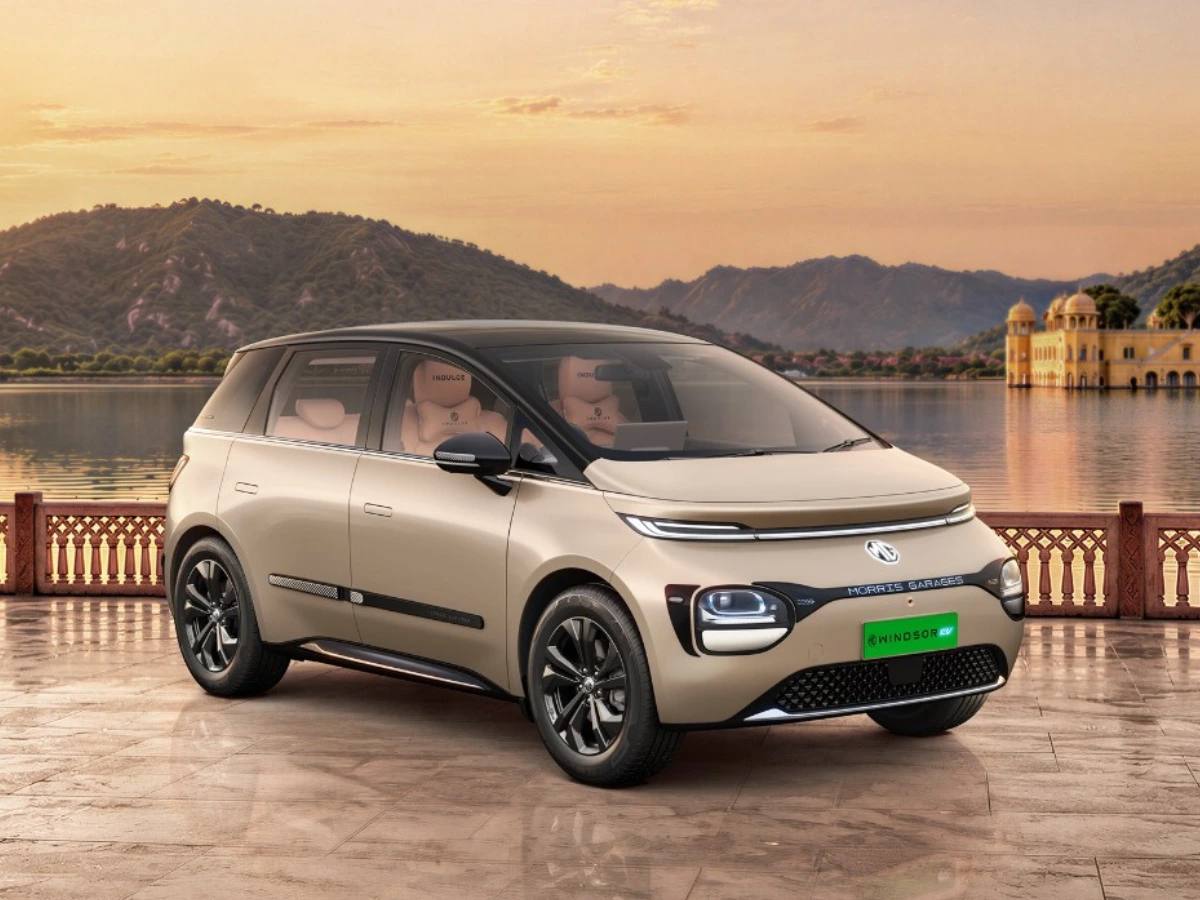
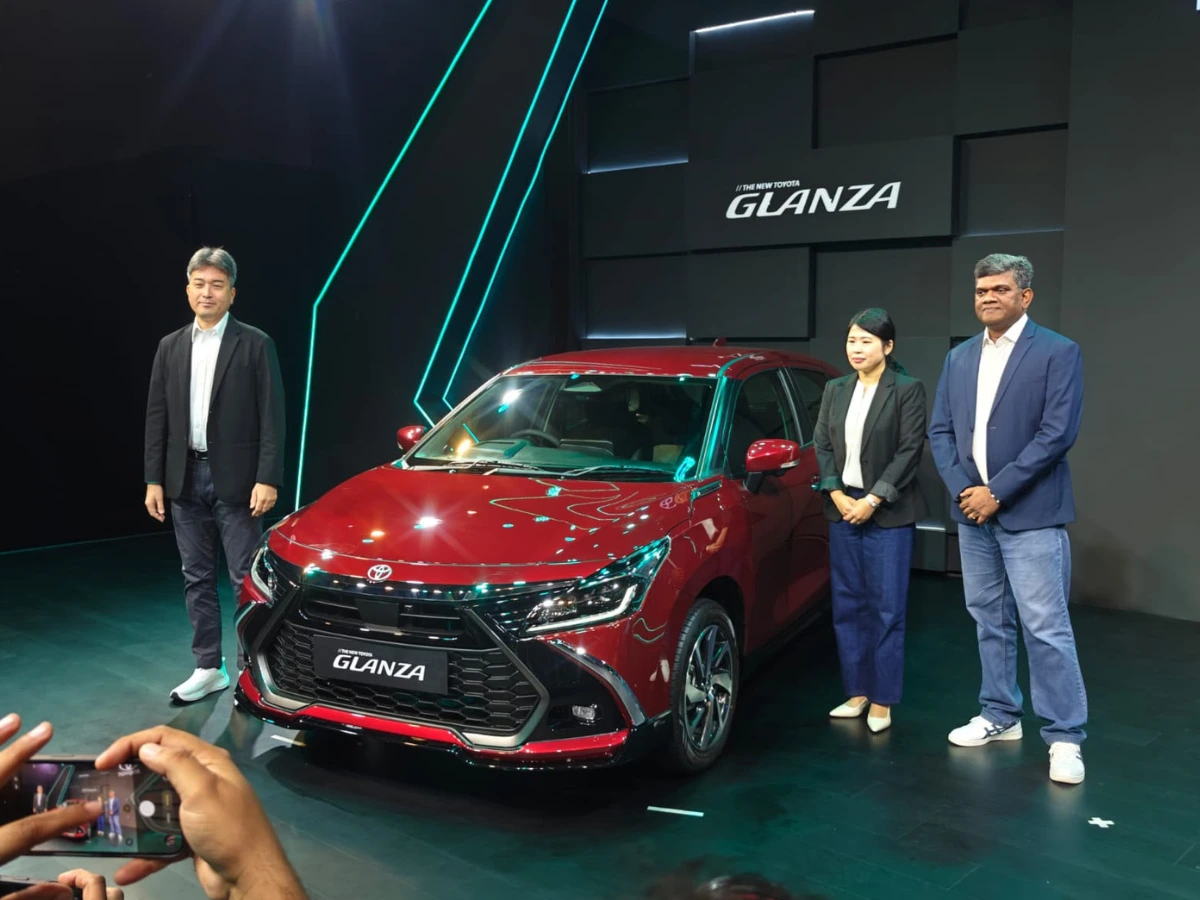
BYD says the price hike is due to rising input costs, inflation, and continued investment in its dealer network and technology in India. Similar reasons have also been given by other carmakers, including Kia, JSW MG, Toyota, and Mercedes-Benz, which have announced price hikes this month. Rising manufacturing and operating costs continue to affect the industry, prompting several brands to revise prices from July 2026.
New eMAX 7 Comfort variant introduced
Alongside the price revision, BYD India has introduced a new addition to the eMAX 7 lineup: the eMAX 7 Comfort. This new variant features an upgraded battery capacity of 71.8 kWh compared to the existing eMAX 7 battery options, and is priced starting at Rs 27.90 lakh. The eMAX 7 is BYD's electric MPV for India, and the Comfort variant adds a higher battery capacity option that should deliver a longer range than the existing variants, making it better suited for long-distance family travel.
BYD India's current standing and network
BYD currently has over 14,000 customers in India and operates 48 showrooms across 40 cities. The company has also invested more than $200 million in the country and runs two manufacturing facilities spread across over 140,000 square metres. BYD entered the Indian market in 2007, initially focusing on electric buses before expanding into passenger electric vehicles.
Its current passenger EV lineup includes the Atto 3 SUV, Seal sedan, Sealion 7 SUV, and the eMAX 7 MPV. More recently, BYD also introduced its DM-i plug-in hybrid technology in India, marking its entry into the hybrid segment. BYD's vehicles use several of the company's in-house technologies, including the Blade Battery, Cell-to-Body (CTB) construction, and Intelligence Torque Adaptation Control (iTAC). Globally, the company says it has sold over 16.5 million new energy vehicles (NEVs).
Rajeev Chauhan on the revision
Rajeev Chauhan, Head of Electric Passenger Vehicles Business at BYD India, acknowledged encouraging customer response across the portfolio and said the company has implemented the revision on a select number of variants while remaining focused on delivering advanced, sustainable, and high-performance electric mobility solutions. He indicated that the brand would continue providing exceptional value through its ownership experience despite the price adjustment.
Don't forget to stay updated with all the latest happenings & developments in the automotive world by joining our official AUTOVERSE WhatsApp community.