Maruti Suzuki Swift Running Cost Breakdown: 5-Year Service, Fuel & Ownership Costs
- 1Uncover the true Maruti Suzuki Swift running cost to avoid hidden workshop charges
- 2The new Z-series engine ensures your long-term fuel expenses stay remarkably low
- 3Skip unnecessary dealer add-ons to drastically reduce your 5-year ownership bills
- Maruti Suzuki Swift: At a Glance
- Maruti Suzuki Swift Engine & Fuel Options
- Maruti Suzuki Swift Service Cost
- Other Maintenance Costs: Tyres, Battery & Insurance
- What owners talk about maintenance and reliability
- 5-Year Ownership Cost Breakdown
- Running Cost Comparison: Maruti Suzuki Swift vs. Rivals
- Strategies to Lower Your Maintenance Bills
The compact hatchback segment has historically formed the bedrock of the Indian automotive industry, constantly shifting to balance city-friendly dimensions with an increasing demand for premium features and modern safety tech. For nearly two decades, this space has been heavily shaped by one ubiquitous badge. However, as vehicle prices climb and internal combustion technology evolves, evaluating the complete financial commitment before completing a purchase is absolutely vital.
Understanding the total Maruti Suzuki Swift running cost, which includes fuel, insurance, and long-term mechanical upkeep, gives you a radically honest view of what the car will demand financially over half a decade. In this comprehensive guide, deliver a clear overview of the maintenance of that car.
Maruti Suzuki Swift: At a Glance
| Specification | Details |
| Price (Ex-Showroom) | ₹6.49 Lakh – ₹9.49 Lakh |
| Engine | 1.2L Z-Series 3-Cylinder Naturally Aspirated |
| Power | 80 bhp (Petrol) / 68 bhp (CNG) |
| Mileage (ARAI Claimed) | 24.8 kmpl (MT) / 25.75 kmpl (AMT) / 32.85 km/kg (CNG) |
| Service Cost | ₹3,000 – ₹5,500 (Average per paid service) |
| Service Interval | 10,000 km or 1 Year |
Maruti Suzuki Swift Engine & Fuel Options
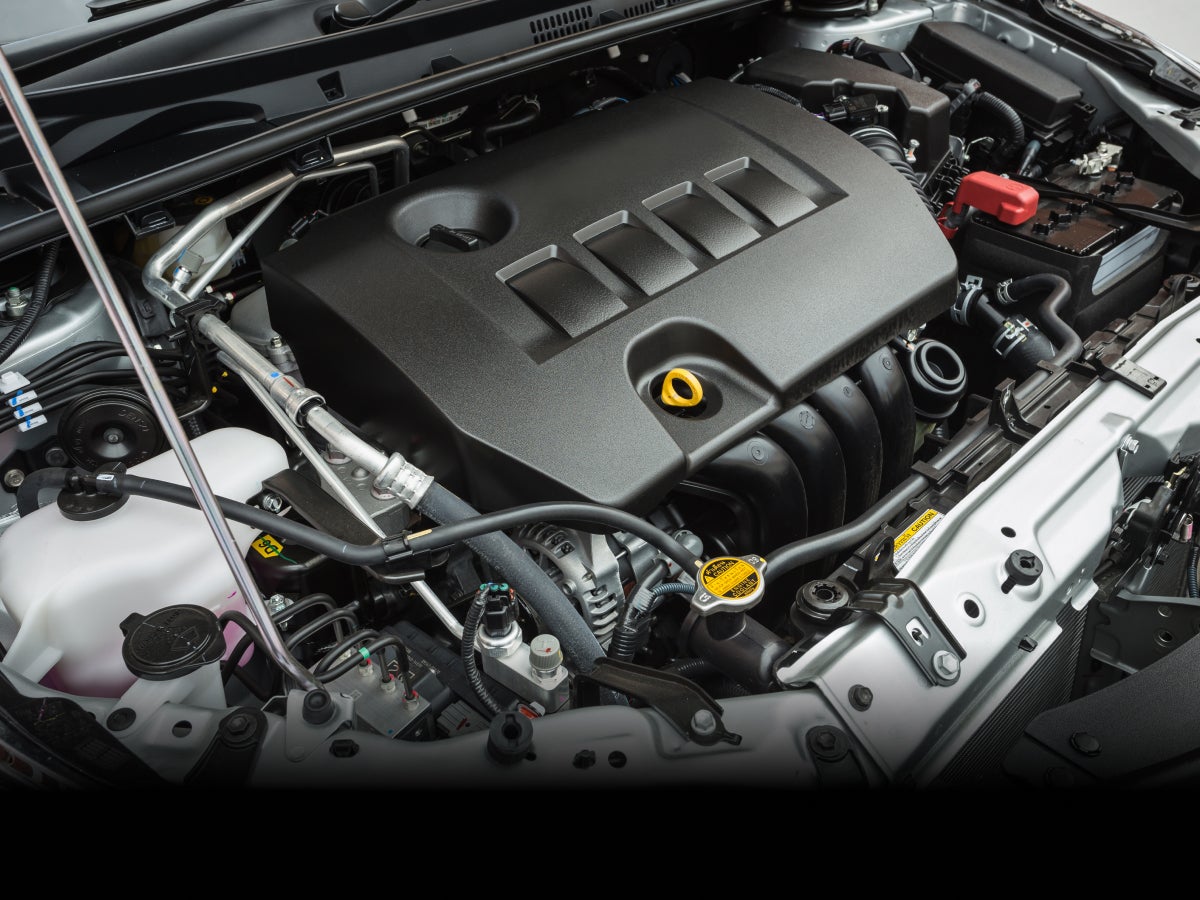
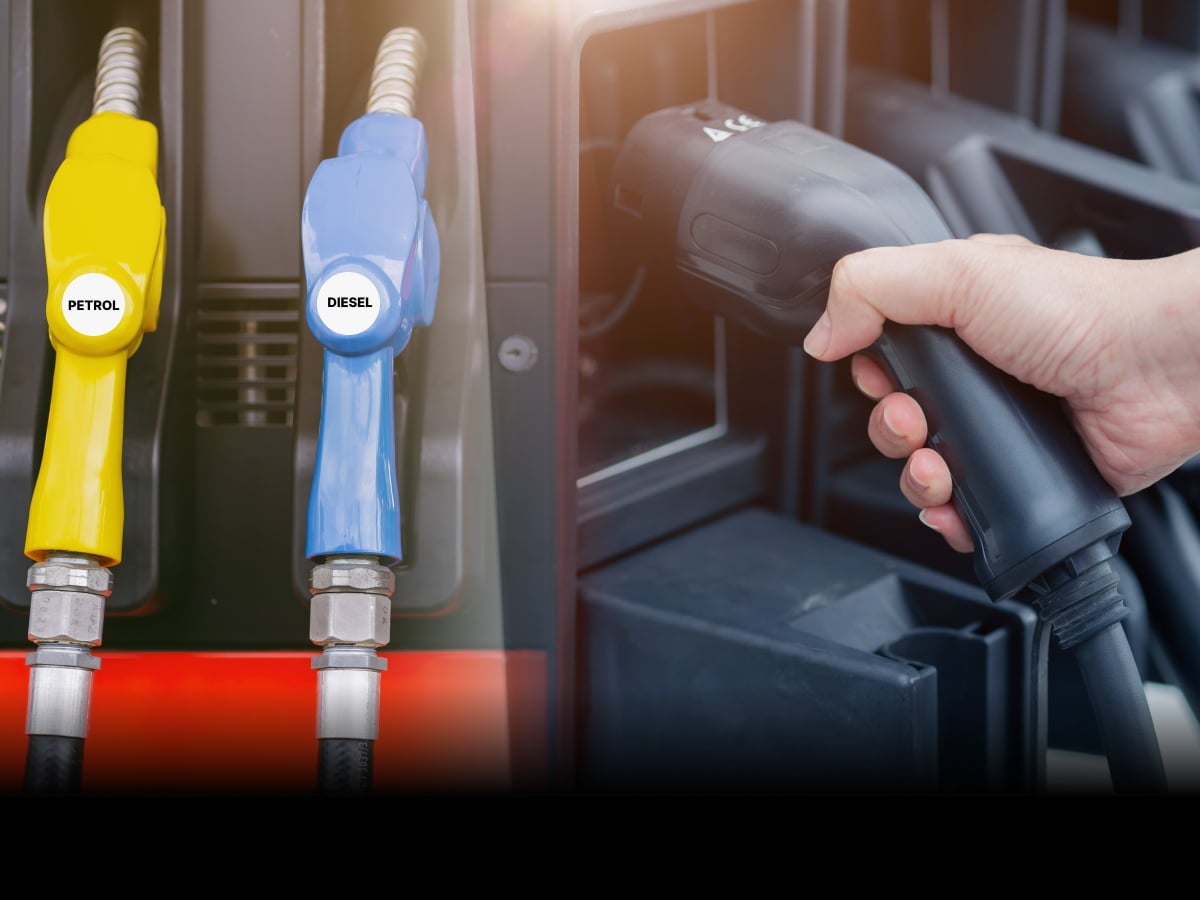
When forecasting your Maruti Suzuki Swift running cost, selecting the correct powertrain configuration is the most important decision you will make. With the introduction of the fourth-generation model in 2024, the manufacturer replaced the much-loved four-cylinder K-Series engine with an entirely new 1.2-litre Z-Series three-cylinder unit. This shift places a heavier emphasis on low-end torque and extreme fuel frugality, directly impacting your monthly expenditure.
1.2L Petrol Manual: This is the ultimate choice for purists and sensible city drivers alike. Producing a healthy 80 bhp, the manual gearbox allows you to maximise fuel extraction while maintaining brilliant mechanical simplicity. Because it relies on standard, non-turbocharged components, the long-term Maruti Suzuki Swift maintenance cost for this variant remains aggressively low and highly predictable.
1.2L Petrol AMT: If your daily commute involves navigating torturous urban gridlock, the Automated Manual Transmission (AMT) provides tremendous relief for your left leg. The beauty of the AMT system is that it utilises standard manual gearbox internals actuated by clever electronics. Consequently, the routine workshop invoices remain nearly identical to the manual version, though aggressive driving in heavy traffic might necessitate a slightly earlier clutch replacement.
1.2L CNG: This factory-fitted gas variant is strictly for drivers piling on severe mileage every month. While it demands a noticeable premium at the time of purchase, the running cost per kilometre drops to an astonishingly low figure. The trade-off involves sacrificing virtually all your boot space and adhering to slightly stricter servicing regimens, such as more frequent spark plug replacements and gas filter inspections, which incrementally bump up the periodic servicing bills.
Maruti Suzuki Swift Real World Mileage
Before you decide to purchase a new unit or hunt for a pre-owned used Maruti Swift, evaluating the real-world fuel economy across its petrol and CNG variants is highly recommended.
To accurately calculate your Maruti Suzuki Swift running cost, you must rely on data gathered from actual street driving. Factor in summer air conditioning, heavy passenger loads, and stop-start traffic to get a genuine picture of your Maruti Suzuki Swift mileage.
| Engine Type | Real-World Mileage (City/Hwy) | Recommended For |
| Petrol MT | 16–18 kmpl | Low monthly usage (<1000km) |
| Petrol AMT | 15–17 kmpl | Heavy urban traffic commuters |
| CNG MT | 24–26 km/kg | High monthly usage (>1500km) |
Maruti Suzuki Swift Service Cost
The most consistent, unavoidable portion of your Maruti Suzuki Swift running cost will be your scheduled trips to the garage. The brand’s vast, unparalleled service network ensures parts are cheap and readily available, but understanding exactly what you are paying for stops overcharging in its tracks. During the first two years or 20,000 kilometres, labour is generally waived, severely softening the blow to your wallet. From year three, paid labour and major fluid replacements begin. Here is a realistic look at the Maruti Suzuki Swift service cost schedule.
| Service Year | Interval (KM) | Key Tasks/Replacements | Estimated Cost |
| Year 1 | 10,000 | Engine oil change, Oil filter, Minor inspections | ₹1,850 |
| Year 2 | 20,000 | Brake fluid check, Cabin air filter, Coolant top-up | ₹2,200 |
| Year 3 | 30,000 | Engine oil, Oil filter, Spark plugs (CNG), Paid Labour | ₹3,800 |
| Year 4 | 40,000 | Major Service: Air filter, Brake fluid, Coolant flush | ₹5,500 |
| Year 5 | 50,000 | Suspension & Alignment check, Routine service | ₹3,800 |
Thanks to its proven K-series engineering and highly affordable spare parts network, it firmly holds its reputation as one of the top low maintenance cars in India today.
Other Maintenance Costs: Tyres, Battery & Insurance
Calculating fuel and scheduled workshop bills provides only half the equation. The standard automotive industry narrative often ignores the hefty, inevitable wear-and-tear items that periodically need replacing. Overlooking these will severely skew the true reflection of your 5-year Maruti Suzuki Swift running cost.
- Tyre Replacement: Depending on the variant you choose, the hatchback rides on either 14-inch steel wheels or 15-inch precision-cut alloys. Given the state of most suburban roads, a factory set of tyres typically gives up between 40,000 and 50,000 kilometres. Replacing a full set of four tyres with dependable rubber from brands like Apollo or Bridgestone will set you back roughly ₹22,000 to ₹25,000. Keep it simple and match the manufacturer's recommended size specifications for the best ride quality.
- Battery Life: The modern vehicle cabin is packed with a large touchscreen, automatic climate control, and multiple charging ports, which place a constant drain on the electrical system. You can expect the standard 12V battery to last roughly three to four years. Factoring in a sensible exchange bonus for your old unit, a reliable replacement will cost approximately ₹4,200.
- Insurance Renewals: Protecting your asset is an ongoing expense. While the mandatory first-year policy is bundled into the on-road price, maintaining a comprehensive zero-depreciation policy for the subsequent four years will cost roughly ₹12,000 to ₹16,000 annually, depending heavily on your No Claim Bonus (NCB) and chosen provider. Also, ensuring you top up your ICICI FASTag promptly prevents annoying double-toll penalties during highway runs, keeping those incidental travel costs tightly controlled.
| Component | Replacement Interval | Estimated Cost |
| Set of 4 Tyres | 40,000 – 50,000 km | ₹23,500 |
| Battery | 3 – 4 Years | ₹4,200 |
| Insurance (5 Years total) | Annual renewal | ₹68,000 |
What owners talk about maintenance and reliability
To uncover the ground reality, you must listen to the drivers who navigate crowded city streets and pothole-ridden lanes every single day. Owner testimonials confirm that the new Z-Series engine is a remarkably solid unit. They highly praise its punchy low-end torque, which drastically reduces the need for constant gear shifting in traffic, consequently easing clutch wear and lowering the long-term Maruti Suzuki Swift maintenance cost.
However, the shift to a three-cylinder architecture has raised some minor grievances. Drivers frequently note that engine vibrations are slightly more palpable at idle compared to the outgoing generation. Furthermore, owners of the AMT variants still experience the characteristic "head-nod" during aggressive acceleration, advising that treating the accelerator smoothly is the only way to squeeze out the best Maruti Suzuki Swift mileage. Regardless of these minor trade-offs, the consensus across reputable driver forums is that the car remains practically unkillable with basic, timely servicing.
5-Year Ownership Cost Breakdown
To fully understand your commitment, we have calculated the complete Maruti Suzuki Swift running cost over a 5-year period, assuming a standard driving distance of 50,000 km (10,000 km per year) for the Petrol Manual variant.
| Expense Category | 5-Year Total Estimate |
| Fuel (Petrol @ ₹95/L, avg 17 kmpl) | ₹2,79,411 |
| Routine Servicing (Dealership) | ₹17,150 |
| Wear & Tear (Tyres + Battery) | ₹27,700 |
| Insurance (Year 1 to 5 total estimate) | ₹68,000 |
| Total 5-Year Running Cost | ₹3,92,261 |
Running Cost Comparison: Maruti Suzuki Swift vs. Rivals
Context is everything. Here is a transparent look at how the Maruti Suzuki Swift running cost stacks up against its two most prominent showroom competitors.
| Cost Factor | Maruti Suzuki Swift | Hyundai Grand i10 Nios | Tata Tiago |
| 5-Yr Service Cost | ₹17,150 | ₹19,500 | ₹23,000 |
| Real-World Mileage | 17 kmpl | 15 kmpl | 14 kmpl |
| Verdict | Top Mileage Pick | Refined Choice | Solid but Thirsty |
However, if you are looking to step into a compact sedan for a dedicated boot space without compromising on frugality, reading about the Maruti Suzuki Dzire running cost offers the perfect comparison.
Strategies to Lower Your Maintenance Bills
You have significant power to control your Maruti Suzuki Swift ownership cost. By adopting a firm stance at the garage and slightly tweaking your approach to the road, you can save a considerable amount of money over a five-year lifespan.
- Avoid Dealership Add-ons: Service centres operate as businesses, and advisors are heavily incentivised to push unnecessary, high-margin treatments. When handing over your vehicle, strictly decline fluff services such as "Silencer Coating," "AC Duct Cleaning," "Engine Dressing," or "Synthetic Interior Enrichment." These useless additions do absolutely nothing to improve the mechanical longevity of your vehicle and only serve to needlessly inflate your Maruti Suzuki Swift running cost.
- Wheel Alignment and Balancing: Authorised workshops generally charge inflated labour rates for standard wheel alignment and balancing. By taking your hatchback to a trusted local tyre specialist every 5,000 kilometres instead, you can secure the exact same service for up to 50% less, directly decreasing your annual Maruti Suzuki Swift service cost.
- Driving Habits: Your right foot is the biggest determinant of your overall budget. Aggressive acceleration and harsh, last-minute braking ruin your fuel efficiency and rapidly degrade your brake pads. Coasting towards red lights and accelerating smoothly vastly improves your fuel economy and can extend brake pad life by thousands of kilometres, making a monumental difference to your Maruti Suzuki Swift running cost.
Frequently Asked Questions
Expand all