


Parallel picks for you!
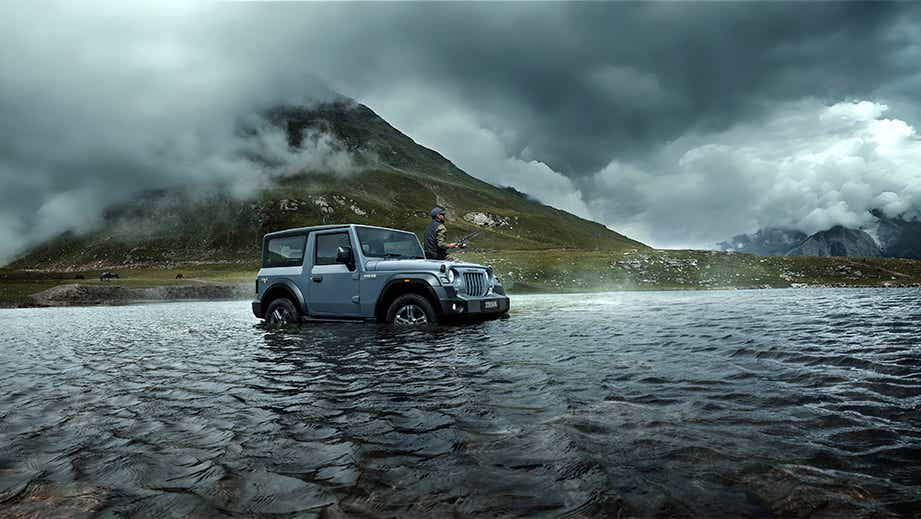
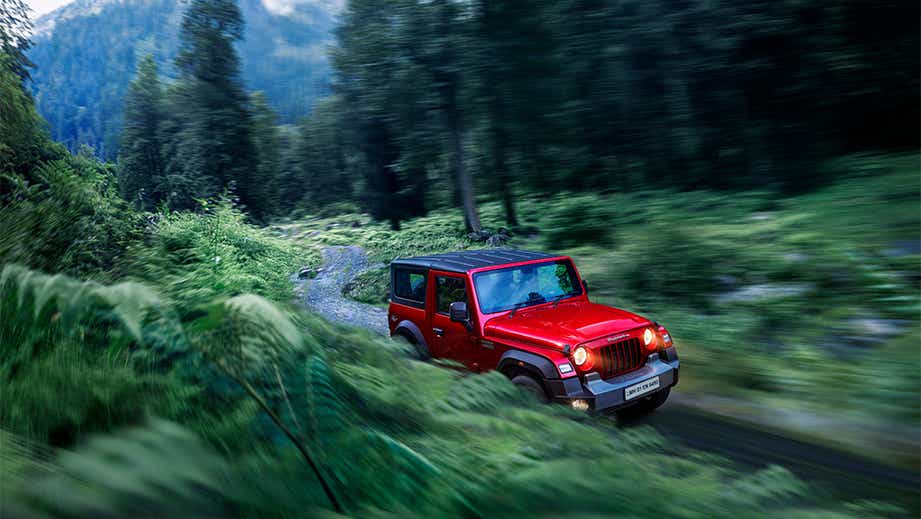
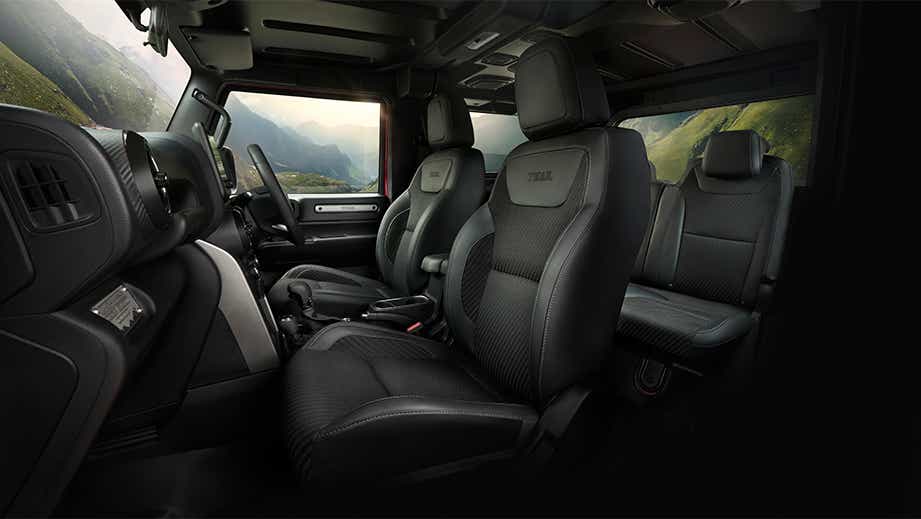
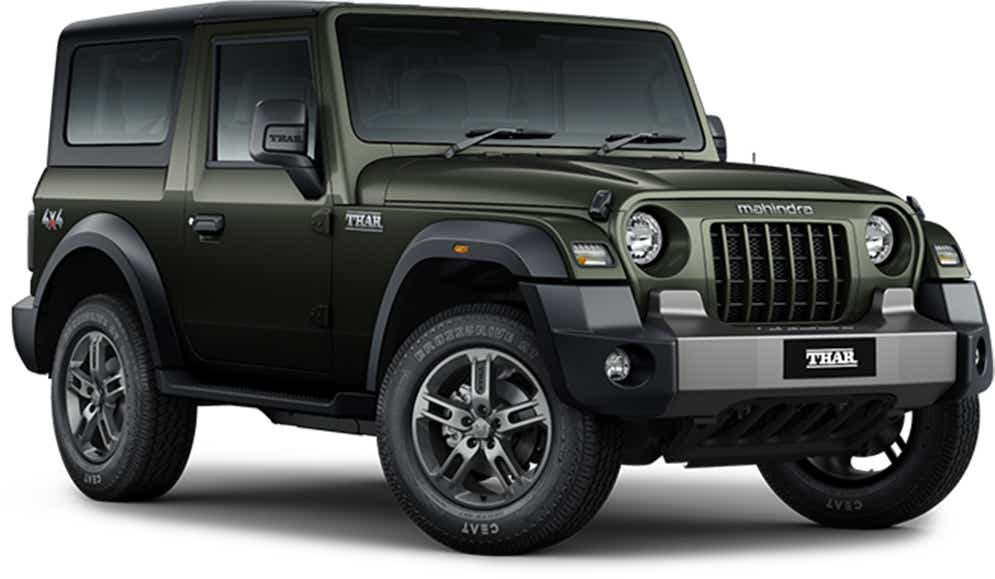
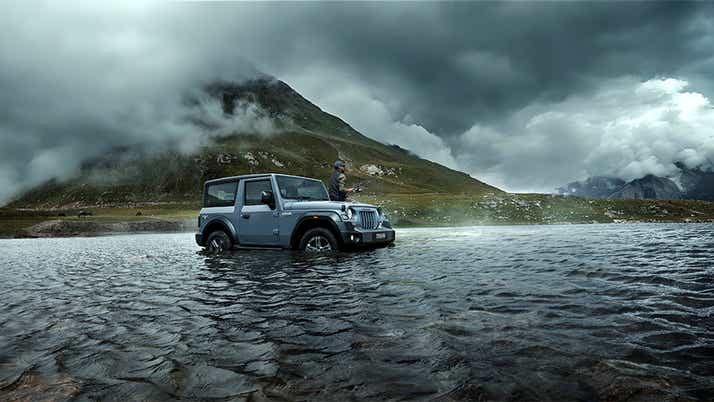
Images of Mahindra Thar 2025-2026
Thar 2025-2026 specifications
 Arai mileage
 Transmission type
 Body type
 Fuel type
 Engine displacement
 Seating capacity
Thar 2025-2026 variants : price & spec cards
Thar 2025-2026 mileage
View MileageWheel to wheel comparison
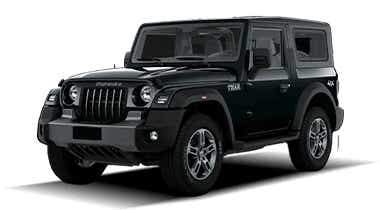 MahindraThar 2025-2026₹9.99L - 16.99L*
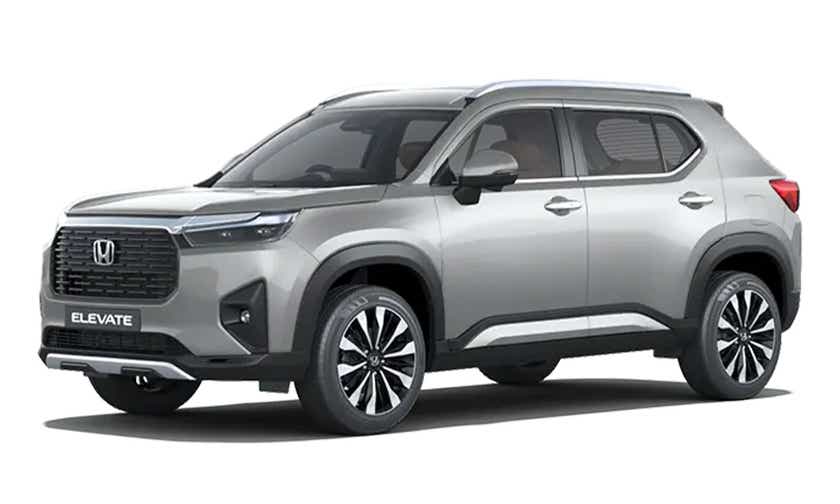
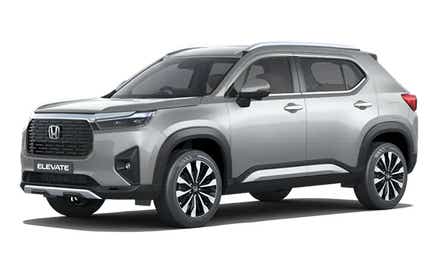 HondaElevate₹11.60L - 16.93L*
- MahindraThar 2025-2026₹9.99L - 16.99L*
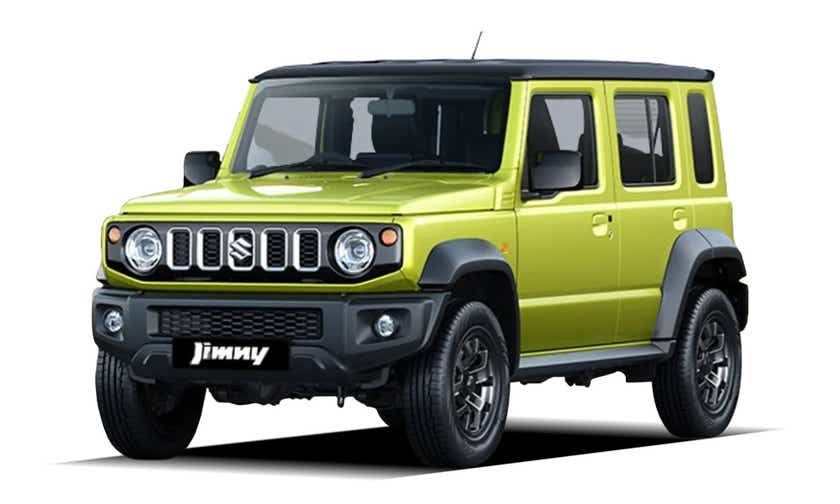
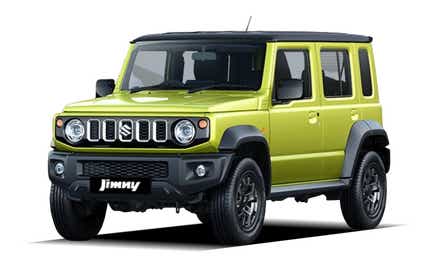 Maruti SuzukiJimny₹12.31L - 14.45L*
 - MahindraThar 2025-2026₹9.99L - 16.99L*
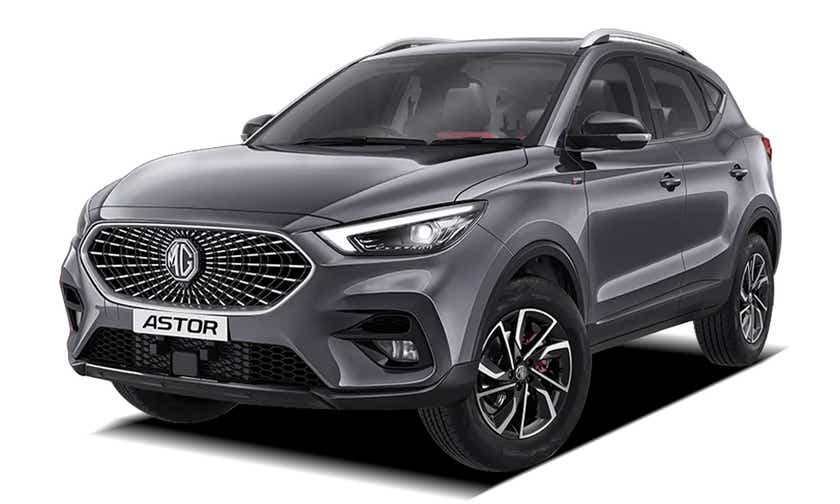
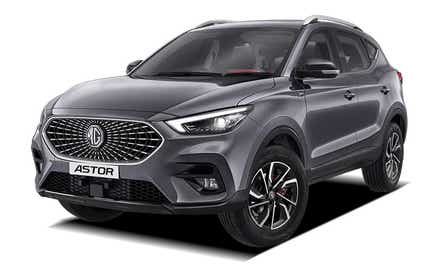 MGAstor₹9.79L - 15.16L*
 - MahindraThar 2025-2026₹9.99L - 16.99L*
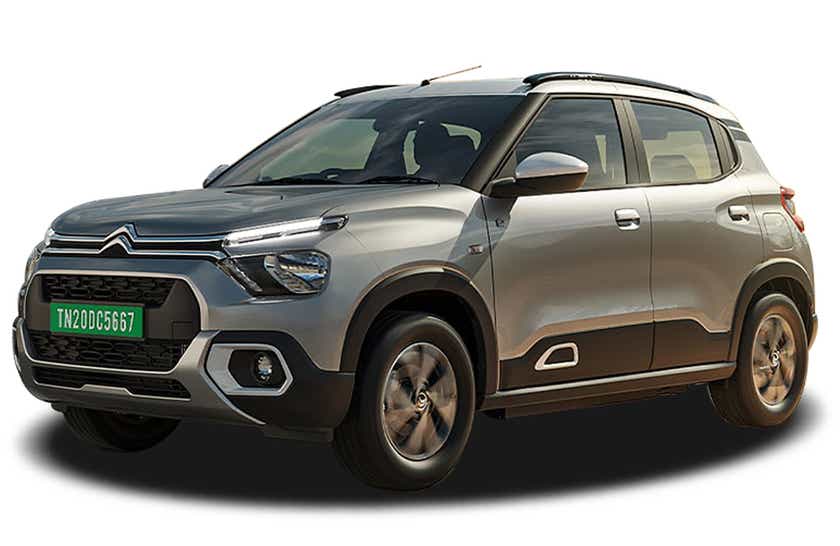
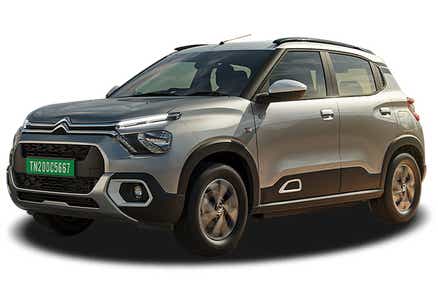 CitroeneC3₹11.50L - 13.41L*
 - MahindraThar 2025-2026₹9.99L - 16.99L*
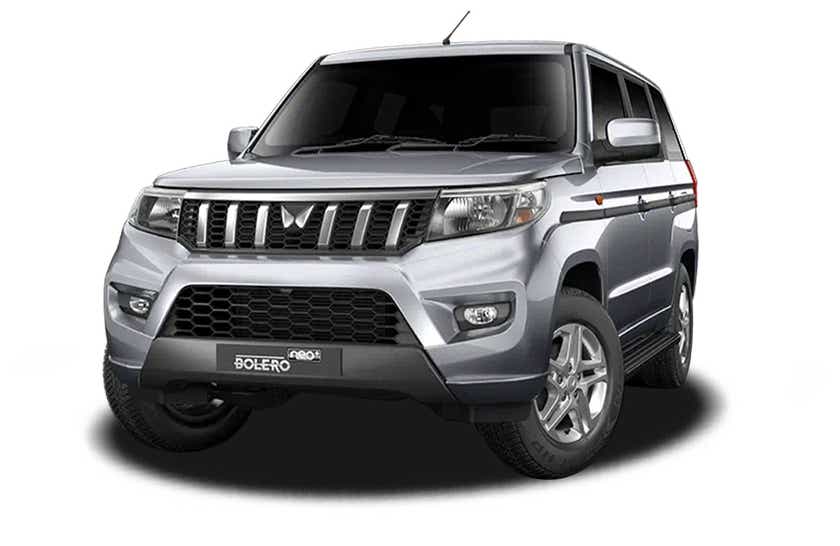
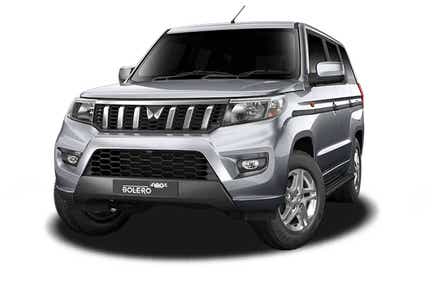 MahindraBolero Neo Plus₹10.77L - 12.90L*
 - MahindraThar 2025-2026₹9.99L - 16.99L*Add cars
Mahindra Thar Overview: A Rugged SUV Built for More Than Just City Roads
The original 3-door Thar has stayed true to its original idea: a compact, rugged SUV that can handle places where regular crossovers would struggle. The latest version is still built on a ladder-frame chassis, but Mahindra has made it considerably easier to live with than the older Thars. It feels more stable on the road, gets better suspension control and offers more everyday comfort without losing its tough character.
Its 226 mm ground clearance, proper 4x4 system and 650 mm water-wading ability make it a serious off-roader. The independent front suspension and multilink rear setup also help it feel more controlled on highways and uneven roads. The 4WD versions get a low-range transfer case, rear mechanical locking differential and electronic brake locking assistance for tougher trails.
There are three engines to choose from. The entry-level 1.5-litre diesel is available only with RWD, while the larger 2.2-litre diesel is reserved for 4WD models. The 2.0-litre turbo-petrol is available with both drivetrains. Depending on the version, you can also choose between a 6-speed manual and a 6-speed torque-converter automatic.
The cabin is still quite simple and tough rather than plush, but it has enough equipment for everyday use. It is a four-seater, with two proper forward-facing seats at the back. Washable floors and drain plugs are useful touches if you actually take the Thar onto muddy trails, while the touchscreen and steering-mounted controls make regular driving easier.
The Mahindra Thar price range is split between RWD versions that make more sense for everyday city and highway use, and 4WD models aimed at buyers who want its full off-road ability. The LXT trim offers the widest choice of engines, drivetrains and transmissions, giving buyers more flexibility based on how they plan to use the SUV.
| Variant | Engine / Power / Torque / Drive | Claimed Mileage | Ex-Showroom Price |
| LXT Diesel 2WD Manual (Base) | 1.5L Diesel / 117 bhp / 300 Nm / RWD | 15.20 kmpl | ₹12.99 lakh |
| LXT Petrol 2WD Automatic | 2.0L Petrol / 150 bhp / 320 Nm / RWD | 12.40 kmpl | ₹14.76 lakh |
| LXT Petrol 4WD Manual | 2.0L Petrol / 150 bhp / 300 Nm / 4WD | 12.40 kmpl | ₹15.59 lakh |
| LXT Diesel 4WD Manual | 2.2L Diesel / 130 bhp / 300 Nm / 4WD | 15.20 kmpl | ₹16.42 lakh |
| LXT Petrol 4WD Automatic | 2.0L Petrol / 150 bhp / 320 Nm / 4WD | 12.40 kmpl | ₹17.22 lakh |
| LXT Diesel 4WD Automatic (Top) | 2.2L Diesel / 130 bhp / 300 Nm / 4WD | 15.20 kmpl | ₹17.99 lakh |
These Mahindra Thar Variant prices are ex-showroom and are meant as a starting point. The final on-road price will vary depending on your state, with RTO charges, road tax, insurance and any dealer-level accessories or additions affecting the amount.
The Thar's engine range is easy enough to understand. The 1.5-litre diesel is offered only with RWD and is the more fuel-efficient choice for regular road use. The 2.2-litre diesel comes only with the 4x4 setup and is better suited to buyers who plan to explore tougher terrain. The 2.0-litre turbo-petrol is available with both RWD and 4x4, and is the pick for those who want stronger performance.
| Specification | 1.5L D117 Diesel | 2.2L mHawk Diesel | 2.0L mStallion Petrol |
| Engine | 1.5-litre, 4-cylinder turbo-diesel | 2.2-litre, 4-cylinder turbo-diesel | 2.0-litre, 4-cylinder turbo-petrol |
| Power | 117 bhp @ 3,500 rpm | 130 bhp @ 3,750 rpm | 150 bhp @ 5,000 rpm |
| Torque | 300 Nm @ 1,750-2,500 rpm | 300 Nm @ 1,600-2,800 rpm | 300 Nm MT / 320 Nm AT @ 1,500-3,000 rpm |
| Gearbox | 6-speed MT | 6-speed MT / 6-speed AT | 6-speed MT / 6-speed AT |
| Drive | RWD | Part-time 4WD with High/Low | RWD / Part-time 4WD with High/Low |
2.0-litre Turbo-Petrol
The 2.0-litre petrol is easily the quickest engine in the Thar range. It makes 150 bhp and feels strong when you need to accelerate or overtake on the highway. The automatic version gets 320 Nm, compared with 300 Nm in the manual, and the torque-converter gearbox suits the engine well.
It is also the engine to pick if performance matters more than fuel bills. The petrol Thar can use quite a lot of fuel in city traffic, especially when driven enthusiastically.
1.5-litre Diesel
The smaller diesel is meant mainly to make the Thar more affordable and easier to run. It produces 117 bhp and 300 Nm, which is enough for normal city and highway use. It is available only with RWD and a 6-speed manual.
For someone who wants the Thar's looks and driving position without needing 4x4, this is arguably the most sensible version.
2.2-litre Diesel
The 2.2-litre mHawk is the diesel choice for buyers who want the Thar's full off-road hardware. It produces 130 bhp and 300 Nm, with the torque spread across a useful rev range.
You can have it with either a manual or automatic gearbox. Combined with the low-range transfer case, it gives the Thar plenty of control when climbing, crawling or driving through loose surfaces.
Which Powertrain Should You Choose?
- 1.5L Diesel RWD Manual: Best for buyers who mainly drive in the city and on highways, want better fuel economy and do not need 4x4.
- 2.0L Turbo-Petrol Manual/Automatic: Best for buyers who want stronger performance, quicker acceleration and a more enjoyable highway driving experience.
- 2.2L Diesel 4WD Manual/Automatic: The right choice for serious off-road use, especially if you regularly drive on trails, loose surfaces or steep terrain.
The Thar feels very different from a regular SUV, with its upright seating, sturdy build and old-school off-road character. It is much easier to drive on the road than older Thars, but its firm ride and heavy steering are still part of the experience.
City Driving
The Thar is not the easiest SUV to drive around town, but its compact length helps. The steering feels heavy at low speeds, especially while parking, and the suspension can send sharp bumps into the cabin.
The high seating position gives you a good view of traffic, while the upright shape makes it easy to judge the corners. Its size also helps when you have to squeeze through narrow streets or tight parking areas.
Highway Driving
The newer Thar is much more settled on the highway than its predecessors. At around 100 kmph, it tracks straighter and needs fewer steering corrections than the old model.
The suspension still feels firm, though, and wind noise becomes noticeable as speeds rise. Roof and body rattles can also show up on some cars. The larger petrol and diesel engines have enough power for highway overtakes without much drama.
Off-Road Performance
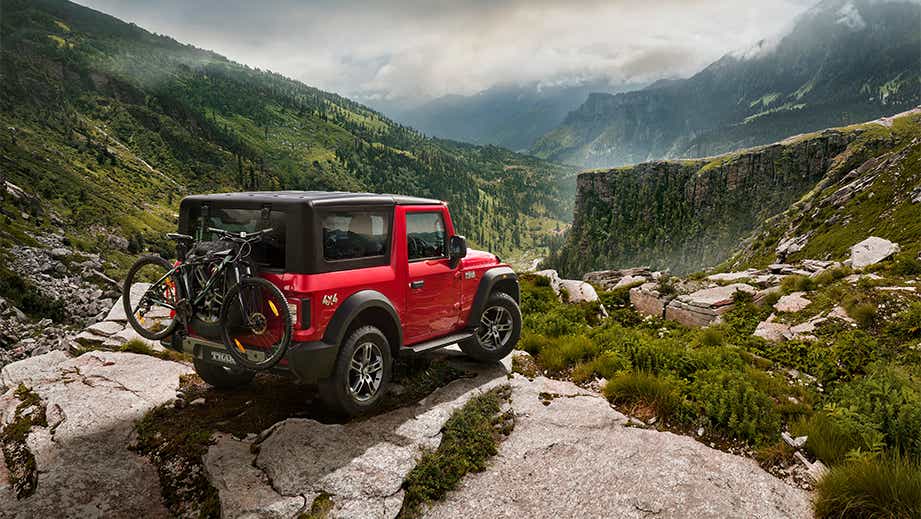
This is where the Thar makes the most sense. The 4WD versions come with a proper part-time 4x4 system with high- and low-range gearing. They also get a mechanical locking differential at the rear and electronic brake locking assistance.
With 226 mm of ground clearance and 650 mm of water-wading ability, the Thar can tackle rocky sections, slush, sand and steep climbs with ease. The low-range gearing is particularly useful when you need to crawl over difficult terrain without relying heavily on the accelerator.
The Mahindra Thar Variants come in two main trims, AXT and LXT. Both retain the same basic off-road character, but the LXT adds most of the equipment buyers are likely to want for everyday use.
AXT
The AXT is the simpler version and makes sense if you care more about the mechanical package than fancy equipment. It gets 16-inch steel wheels, tubular side steps and a basic cabin with vinyl seats.
The equipment list is fairly straightforward, making it a good starting point for buyers who plan to customise their Thar themselves.
LXT
The LXT gives the Thar a more finished feel. It gets 18-inch alloy wheels, moulded side steps, fog lamps and a dual-tone bumper.
Inside, it adds fabric seats, a height-adjustable driver's seat, steering-mounted controls and cruise control. This is the version that works better if the Thar will also be used regularly on the road.
Which Thar Variant Should You Buy?
- AXT 2WD: Best for buyers who want the Thar's rugged character and plan to customise it with their own accessories.
- LXT 2WD: A good fit for city users who mainly want the Thar's design, road presence and high seating position.
- LXT 4WD Manual: The pick for enthusiasts who want proper off-road ability and prefer having more control over the car.
- LXT 4WD Automatic: The most convenient option if you want to use the Thar in traffic as well as on weekend trails.
The Thar is not a vehicle you buy expecting exceptional fuel economy. Its upright shape, ladder-frame construction and heavy 4WD hardware all have an effect on consumption.
The 1.5-litre diesel is the most economical option and works reasonably well as a daily driver. The 2.2-litre diesel is less efficient in traffic, while the turbo-petrol can easily dip into single-digit figures in heavy city use.
The diesel versions also use a 20-litre DEF tank. The 1.5-litre diesel has a 45-litre fuel tank, while the 2.2-litre diesel and 2.0-litre petrol get 57-litre tanks.
| Powertrain | ARAI Mileage | City Mileage | Highway Mileage |
| 1.5L Diesel Manual (2WD) | 15.20 kmpl | 11-13 kmpl | 14-16 kmpl |
| 2.2L Diesel Manual / AT (4WD) | 15.20 kmpl | 9-11 kmpl | 12-14 kmpl |
| 2.0L Petrol Manual / AT | 12.40 kmpl | 6-8 kmpl | 9-11 kmpl |
These figures can fall further when driving in 4-Low, tackling difficult trails or maintaining high speeds on the highway.
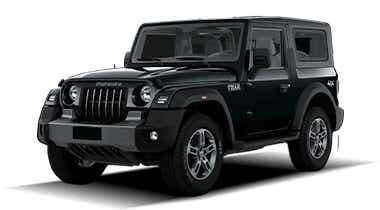
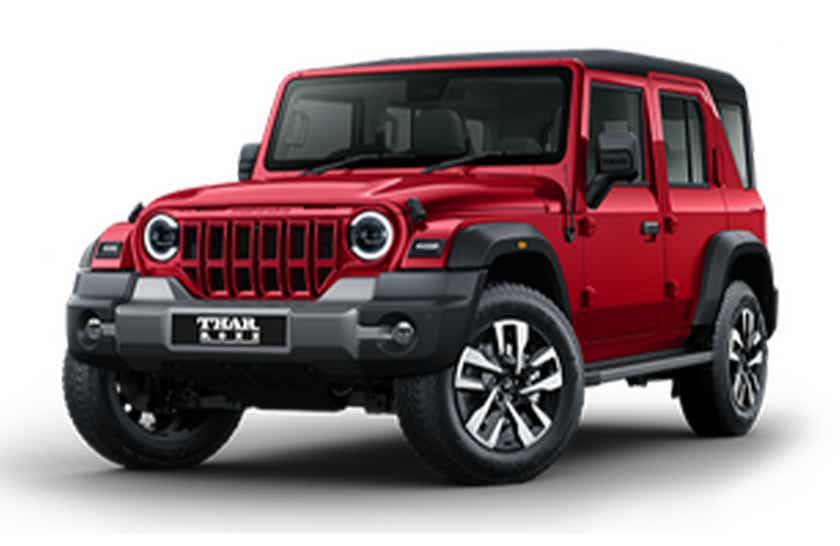
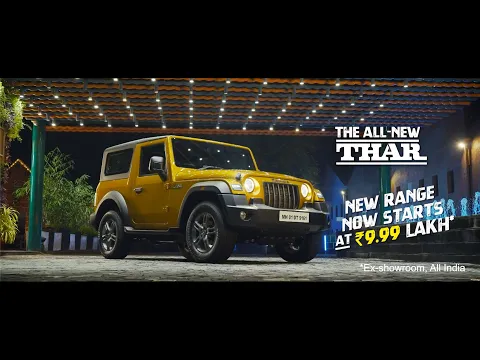
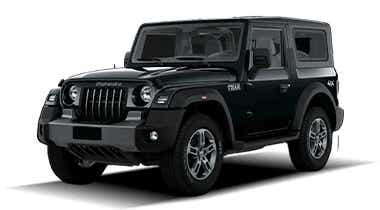
There is little doubt about what the Thar is trying to look like. Its upright body, round headlamps, exposed-looking wheel arches and rear-mounted spare wheel give it the classic off-roader appearance.
Front
The front gets a flat bonnet, vertical grille and round headlamps. The LXT adds fog lamps and a dual-tone bumper, while the AXT keeps things simpler with an all-black bumper.
Side
The wide wheel arches give the Thar plenty of visual bulk and leave room for suspension movement when driving off-road. Black door handles, a fender-mounted antenna and side steps add to its rugged appearance. The AXT uses 16-inch steel wheels, whereas the LXT gets 18-inch alloy wheels.
Rear
The full-size spare wheel sits on the tailgate, as you would expect on an off-roader. The rear door opens in two sections, with the lower section swinging out and the glass section lifting upwards. Vertical LED tail lamps sit towards the corners of the body, keeping them relatively protected from branches and other obstacles while off-roading.
The Thar's cabin has become far more comfortable than before, but it has not tried to turn itself into a luxury SUV. The focus is still on durability and easy cleaning.
Front Seats
The front seats offer decent support and hold you in place when the vehicle is moving over rough terrain. LXT versions get fabric upholstery, while the AXT uses washable vinyl seats.
There is also a grab handle on the passenger side of the dashboard, which comes in handy when the Thar is climbing or descending steep sections.
Rear Seats
There are only two seats in the second row, and both face forward. The passenger-side front seat can be tipped and slid forward to make getting into the back easier.
Once seated, adults get reasonable knee room, helped by the shape of the front seatbacks. The rear seats split 50:50 and can be reclined individually. Getting in and out is still more difficult than in a regular five-door SUV.
Technology & Convenience
The Thar gets a 10.25-inch HD touchscreen with wired Apple CarPlay and wired and wireless Android Auto. It also has Adventure Statistics, which is particularly useful when you take the vehicle off-road.
The system can show information such as pitch and roll angle, steering angle, altitude, compass direction and tyre pressures. The display can also tell you where the front wheels are pointing, which is useful when you cannot see the wheels clearly on a trail.
The speakers are mounted high in the cabin, including on the roof structure, to keep them away from water splashes during off-road use.
Boot Space & Storage
Boot space is one of the Thar's weaker points. With both rear seats in use, there is only enough room for a couple of small bags. Folding the 50:50 split rear seats makes a big difference and creates a much larger load area for luggage, camping equipment or recovery gear. There are also bottle holders, door pockets, a lockable glovebox and other small storage spaces around the cabin.
The Thar gets a solid set of safety equipment across both variants, including dual airbags, ESC with rollover mitigation, hill-assist systems and an integrated roll cage. The 3-door Thar has also received a 4-star Global NCAP safety rating in its tested specification. The LXT adds useful features such as a rear camera, TPMS and tyre-direction monitoring.
Passive Safety
The standard safety package includes dual front airbags, 3-point seatbelts for all four occupants, seatbelt reminders, ISOFIX child-seat mounts and an integrated roll cage. The passenger airbag can also be deactivated when required for specific child-seat arrangements.
Active Safety
ABS with EBD, Brake Assist, ESC with rollover mitigation, Hill Hold Control and Hill Descent Control are standard. Rear parking sensors and speed alert warnings are also included. On 4WD versions, the Thar gets a mechanical locking differential and electronic brake-locking assistance, which help maintain traction on uneven and slippery surfaces. Do note that there is no ADAS in the standard Thar.
Mahindra Thar Safety Features Variant-Wise
The core safety package is standard on both trims, while the LXT adds useful monitoring and parking features.
| Safety Feature | AXT | LXT |
| Dual Front Airbags | Standard | Standard |
| ABS with EBD & Brake Assist | Standard | Standard |
| ESC with Rollover Mitigation | Standard | Standard |
| Hill Hold & Hill Descent Control | Standard | Standard |
| Integrated Roll Cage | Standard | Standard |
| ISOFIX Child-Seat Mounts | Standard | Standard |
| Rear Parking Sensors | Standard | Standard |
| TPMS & Tyre Direction Monitoring | — | Standard |
| Rear-View Camera | — | Standard |
| Rear Wiper/Washer & Front Fog Lamps | — | Standard |
The Thar does not have too many direct rivals because it mixes everyday SUV use with proper off-road hardware. The Maruti Suzuki Jimny and Force Gurkha are its closest 4x4 alternatives, while the Thar Roxx offers a more practical version of the same formula.
| Model | Ex-Showroom Price | What It Does Best |
| Mahindra Thar | ₹12.99-17.99 lakh | Powerful 3-door lifestyle SUV with proper 4x4 capability |
| Force Gurkha | ₹17.58 lakh | Hardcore off-roader with front and rear locking differentials |
| Mahindra Thar Roxx | ₹12.52-23.52 lakh | More space and practicality while retaining the Thar identity |
| Maruti Suzuki Jimny | ₹12.54-14.67 lakh | Lightweight 5-door 4x4 that works well on tight trails |
Mahindra Thar vs Force Gurkha
The Force Gurkha is built with more extreme off-roading in mind. Its front and rear locking differentials, factory snorkel and high water-wading ability give it an edge when the terrain gets particularly difficult.
The Thar is the better middle ground for most buyers. It is quicker on the road, gets a more polished cabin and offers a 6-speed automatic, making it much easier to live with between off-road trips.
Mahindra Thar vs Thar Roxx
The Thar Roxx is the easier one to recommend if the SUV has to double up as a family car. Its five-door layout, larger cabin and bigger boot make daily use much easier, while higher variants also bring more equipment.
The three-door Thar has a different appeal. It is smaller, easier to squeeze through tight trails and feels more like a dedicated lifestyle off-roader. If rear-seat space is not a priority, the shorter body can actually be an advantage off-road.
Mahindra Thar vs Maruti Suzuki Jimny
The Jimny takes a lighter and more compact approach to off-roading. Its smaller size and 5-door body make it easier to use in the city, while its low weight helps when tackling narrow trails.
The Thar feels considerably more powerful, though. Its turbo-petrol and diesel engines offer more punch than the Jimny's 1.5-litre naturally aspirated petrol, particularly when cruising or overtaking on highways.
Which One Should You Consider?
- Mahindra Thar: Go for it if you want a proper 3-door off-roader with strong engines and plenty of road presence.
- Force Gurkha: Pick it if serious off-roading is the main reason for buying the SUV and you want hardware such as locking differentials.
- Mahindra Thar Roxx: The better fit if you want the Thar's character but also need five seats, more cabin room and a useful boot.
- Maruti Suzuki Jimny: Makes more sense if you want a lighter 4x4 that is compact and easier to manage every day.
The Thar has plenty going for it if you want a proper lifestyle SUV, especially its strong 4x4 hardware and powerful engines. But its three-door layout, firm ride and limited boot space can make everyday use less convenient than a regular SUV.
| Pros | Cons |
| Distinctive design, high seating position and strong road presence | Only four seats and getting into the rear takes some effort |
| Strong 2.0-litre turbo-petrol and 2.2-litre diesel engines | Firm suspension can feel uncomfortable over broken city roads |
| Excellent off-road ability with 226 mm ground clearance and low-range 4x4 | Limited boot space when all four seats are in use |
| Torque-converter automatic makes it easier to drive in traffic | Petrol versions can be quite fuel-hungry, especially in the city |
| Plenty of scope for aftermarket accessories and modifications | Wind noise and occasional rattles can be noticeable at highway speeds |
Despite these drawbacks, the Thar still stands out for buyers who want genuine off-road ability, a rugged design and a more engaging driving experience in one package.
The Thar makes the most sense if you really want a rugged SUV that can go off-road. If you need a spacious rear seat, a large boot, easy entry and exit, or a softer ride, there are better SUVs for everyday use. The three-door layout and small boot are things you will have to live with.
What makes the Thar special is that it is not just designed to look like an off-roader. The 4WD versions get low-range gearing, good ground clearance and proper off-road hardware. The bigger petrol and diesel engines also make highway driving easy enough. Add the high seating position and distinctive design, and the Thar has plenty of character even in the city.
For mainly city driving, the 1.5-litre diesel 2WD is the sensible choice. It costs less, uses less fuel than the petrol and gives you the Thar's looks and high driving position without paying extra for 4WD. If you plan to spend most weekends on trails, hills or rough roads, the 2.2-litre diesel 4WD automatic makes more sense. It has good low-speed pulling power, proper 4x4 hardware and an automatic gearbox that makes both traffic and off-roading easier.
There are also a few alternatives worth looking at. The Maruti Suzuki Jimny is smaller, lighter and easier to handle, while the Force Gurkha is better suited to buyers looking for more serious off-road hardware. If you like the Thar but need more space and five seats, the Thar Roxx is the more practical option.
Overall, the Thar is not the most practical SUV in its price range, but it offers something most of its rivals don't: a proper off-road experience along with strong road presence and enough comfort for everyday driving.
Frequently asked questions
All Model Make Filter
- Mahindra Upcoming Cars
- Mahindra Recently Launched Cars
- Mahindra Discontinued Cars
- Mahindra 1 Star Cars
- Mahindra 2 Star Cars
- Mahindra 4 Star Cars
- Mahindra 5 Star Cars
- Mahindra 4 Seater Cars
- Mahindra 5 Seater Cars
- Mahindra 6 Seater Cars
- Mahindra 7 Seater Cars
- Mahindra 8 Seater Cars
- Mahindra 9 Seater Cars
- Mahindra Manual Cars
- Mahindra Automatic Cars