Delhi EV policy 2026 draft released — Up to Rs 1 lakh incentive, Rs 30K for two-wheelers, ICE phase-out plan
- 1Two-wheeler incentive up to Rs 30,000 in year one (Rs 10,000/kWh)
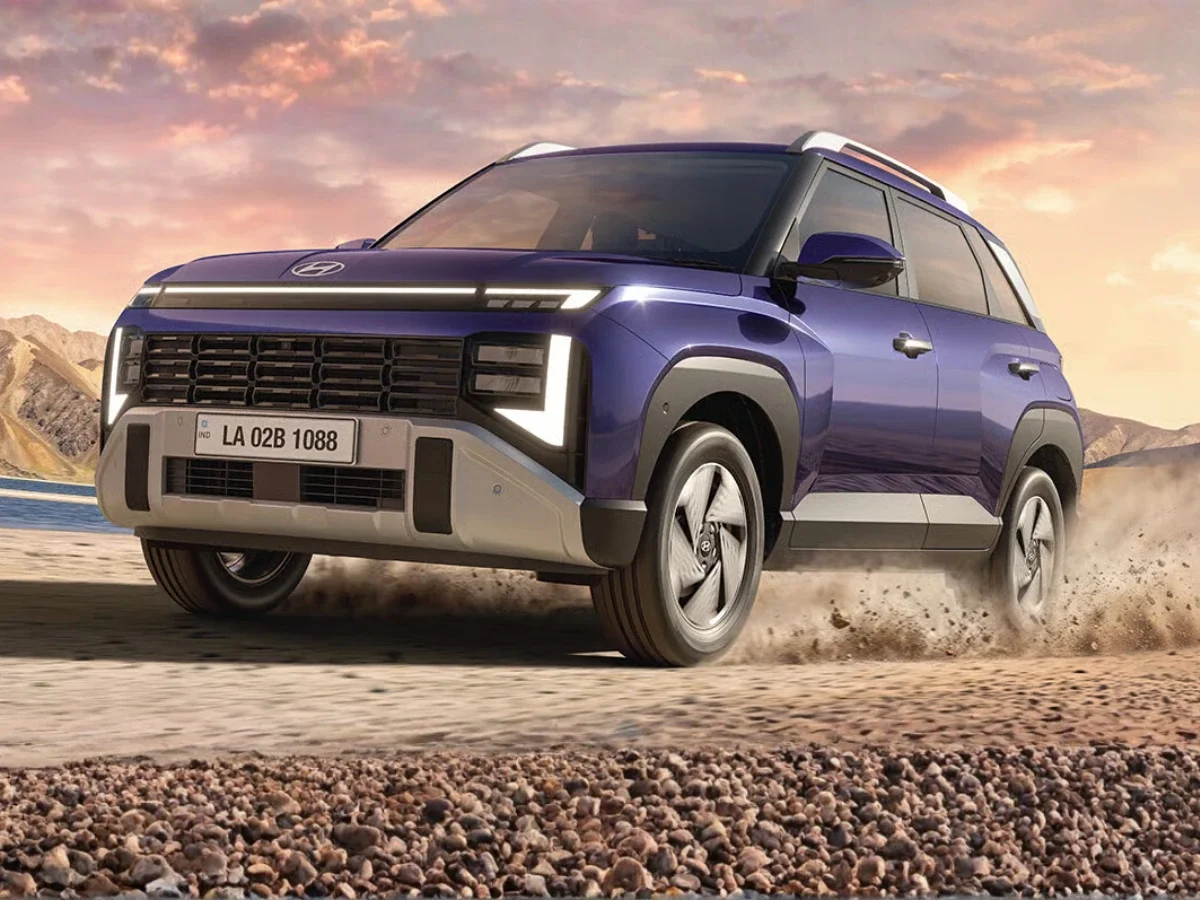
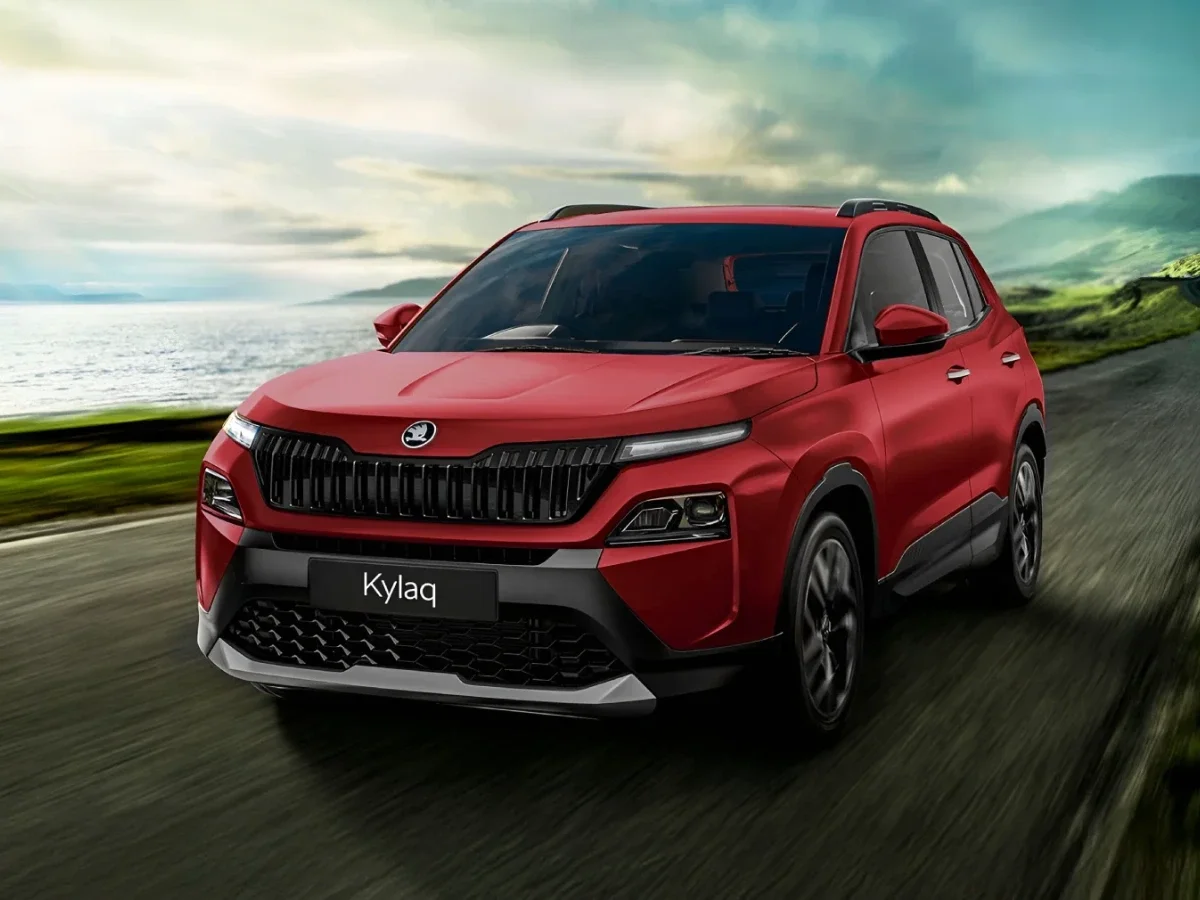
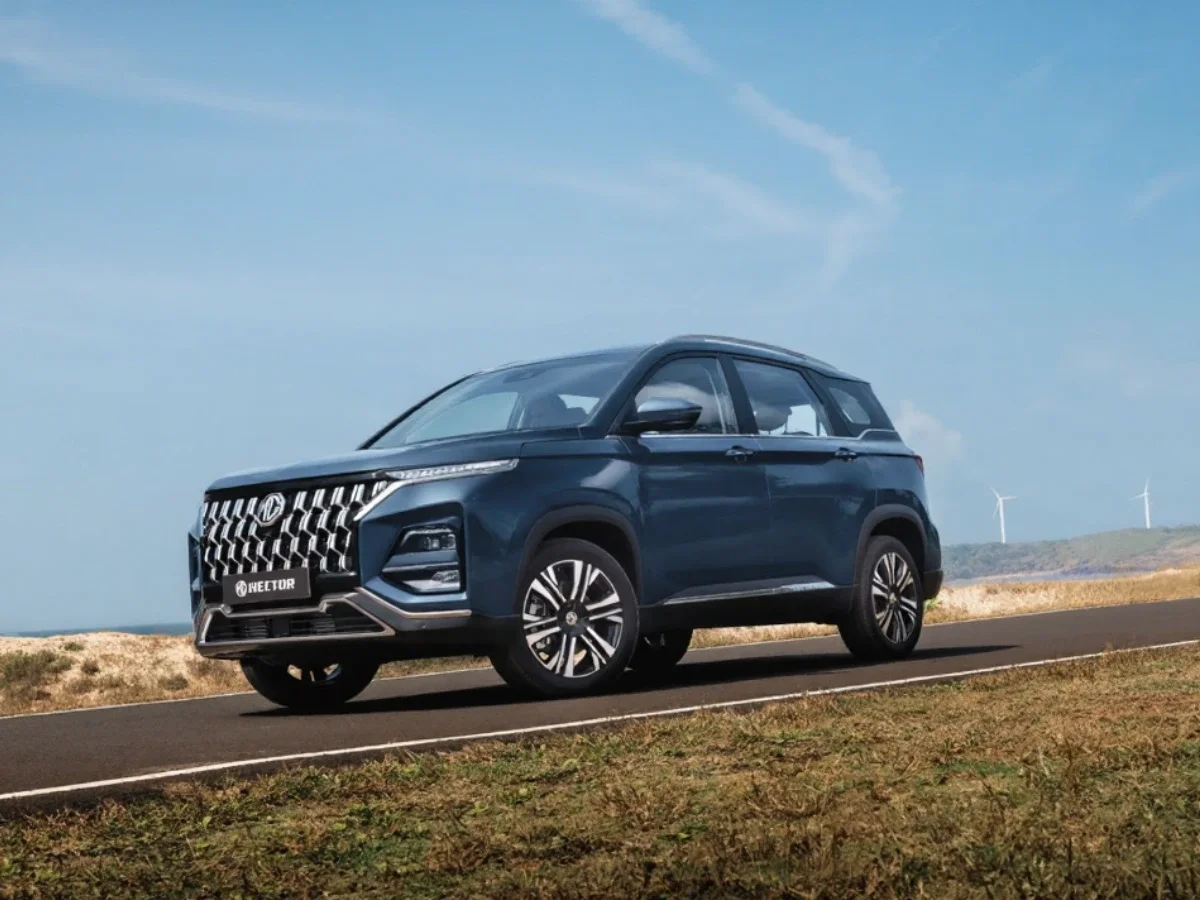
- 2Rs 1,00,000 scrappage incentive for buying an electric car under Rs 30 lakh
- 3100% road tax and registration fee waiver for EVs priced at or below Rs 30 lakh
The Government of National Capital Territory of Delhi has released the draft of its new Electric Vehicle Policy for 2026 to 2030, inviting public feedback for 30 days from April 11. The document, made available through the Transport Department, outlines a comprehensive framework covering purchase incentives, scrapping benefits, charging infrastructure plans and mandatory electrification timelines across multiple vehicle segments.
The policy draws its foundation from Article 21 of the Constitution and from a recent CAQM report that identified vehicular emissions as the single largest contributor to winter air pollution in Delhi, accounting for 23% of total pollution load.
Delhi EV policy 2026 draft released — Purchase incentives by vehicle category
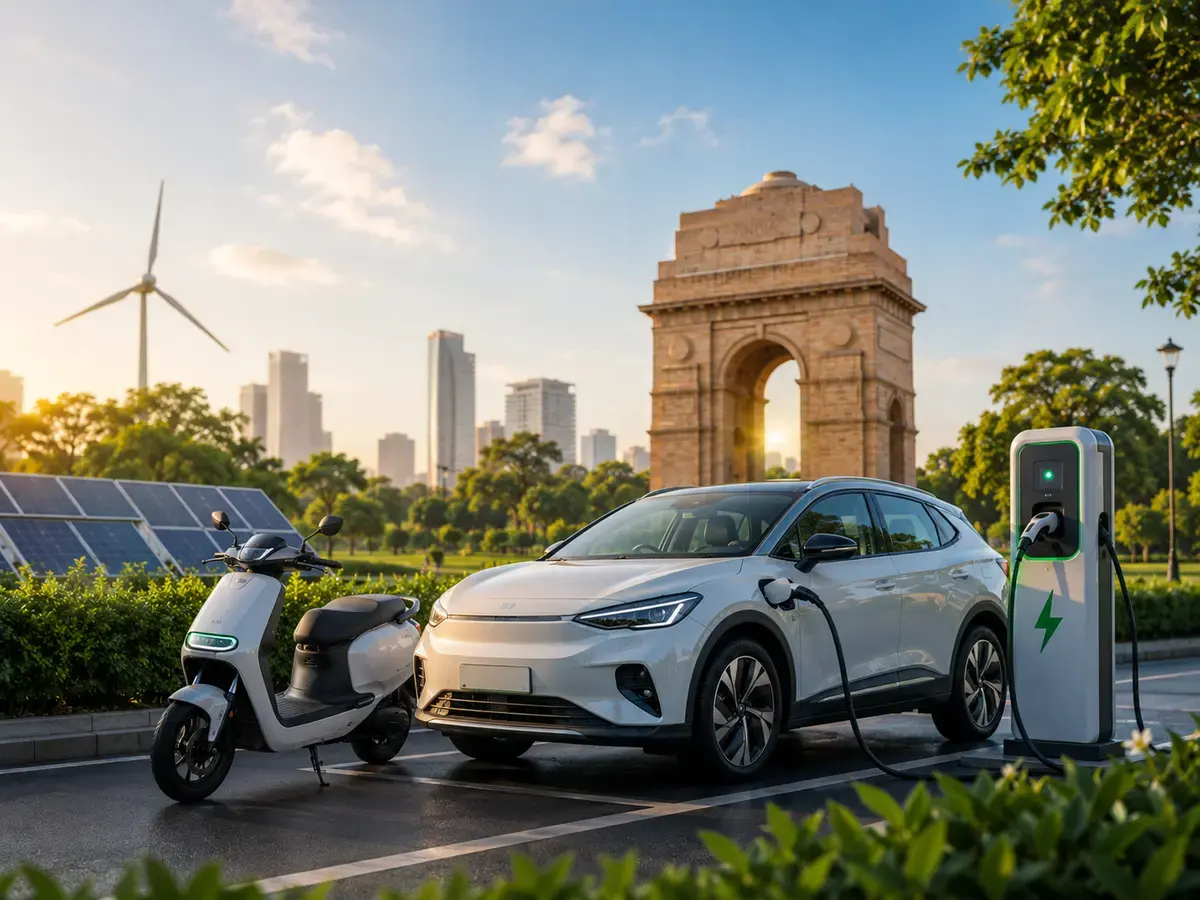
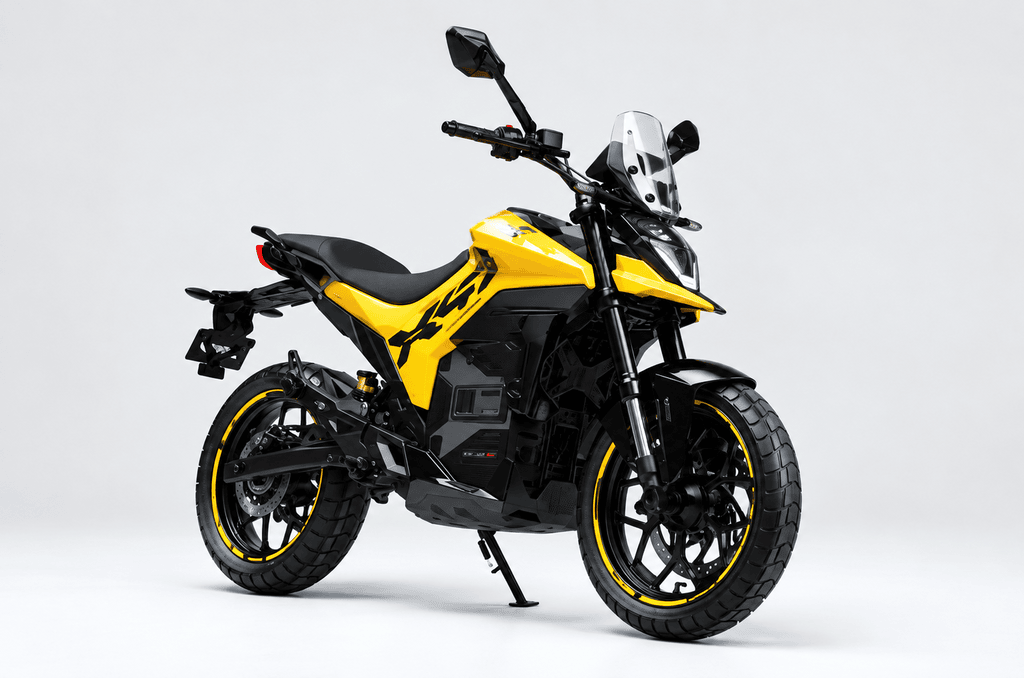
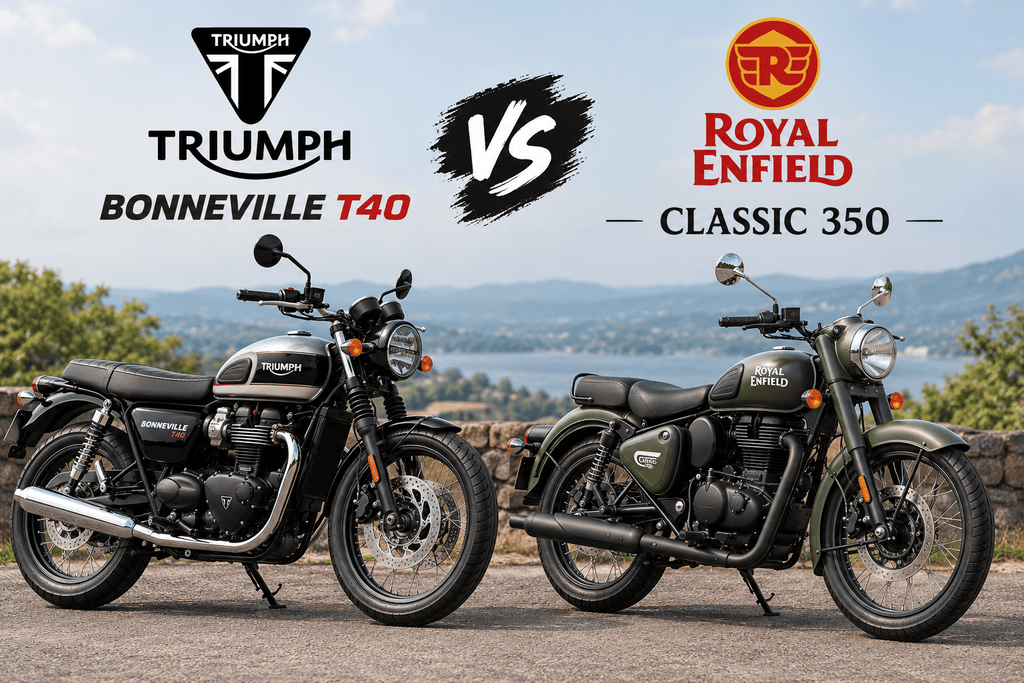
The policy introduces a tiered subsidy structure that steps down annually to encourage early adoption. For electric two-wheelers priced at or below Rs 2.25 lakh ex-factory, the incentive is Rs 10,000 per kWh battery capacity in the first year, capped at Rs 30,000. In year two, this reduces to Rs 6,600 per kWh with a Rs 20,000 ceiling, and to Rs 3,300 per kWh with a Rs 10,000 cap in year three. Electric auto-rickshaws (L5M) are eligible for Rs 50,000 in year one, Rs 40,000 in year two and Rs 30,000 in year three. Electric goods vehicles in the N1 category get Rs 1,00,000, Rs 75,000 and Rs 50,000 across the three years respectively.
Scrappage incentives for older vehicles
In addition to purchase subsidies, the policy introduces scrappage incentives for owners who trade in older Delhi-registered BS-IV and below vehicles before buying a new EV. For two-wheelers, this is Rs 10,000; for three-wheelers, Rs 25,000; for N1 goods carriers, Rs 50,000. The most significant scrappage benefit is for cars: buyers scrapping an eligible car and purchasing a new electric car with an ex-factory price of up to Rs 30 lakh get a Rs 1,00,000 incentive. This benefit is capped at the first 1,00,000 eligible applicants. All scrappage incentives are processed via direct benefit transfer and require a Certificate of Deposit from an authorised scrapping facility, used within six months of issuance.
Road tax and registration fee waiver
All EVs registered during the policy period get 100% exemption from road tax and registration fees, subject to conditions. For electric cars with an ex-showroom price of Rs 30 lakh or below, the full exemption applies until March 31, 2030. Strong hybrid EVs in this price bracket get a 50% exemption. Electric cars priced above Rs 30 lakh are not eligible for any road tax or registration fee waiver.
Electrification mandates and phase-out dates
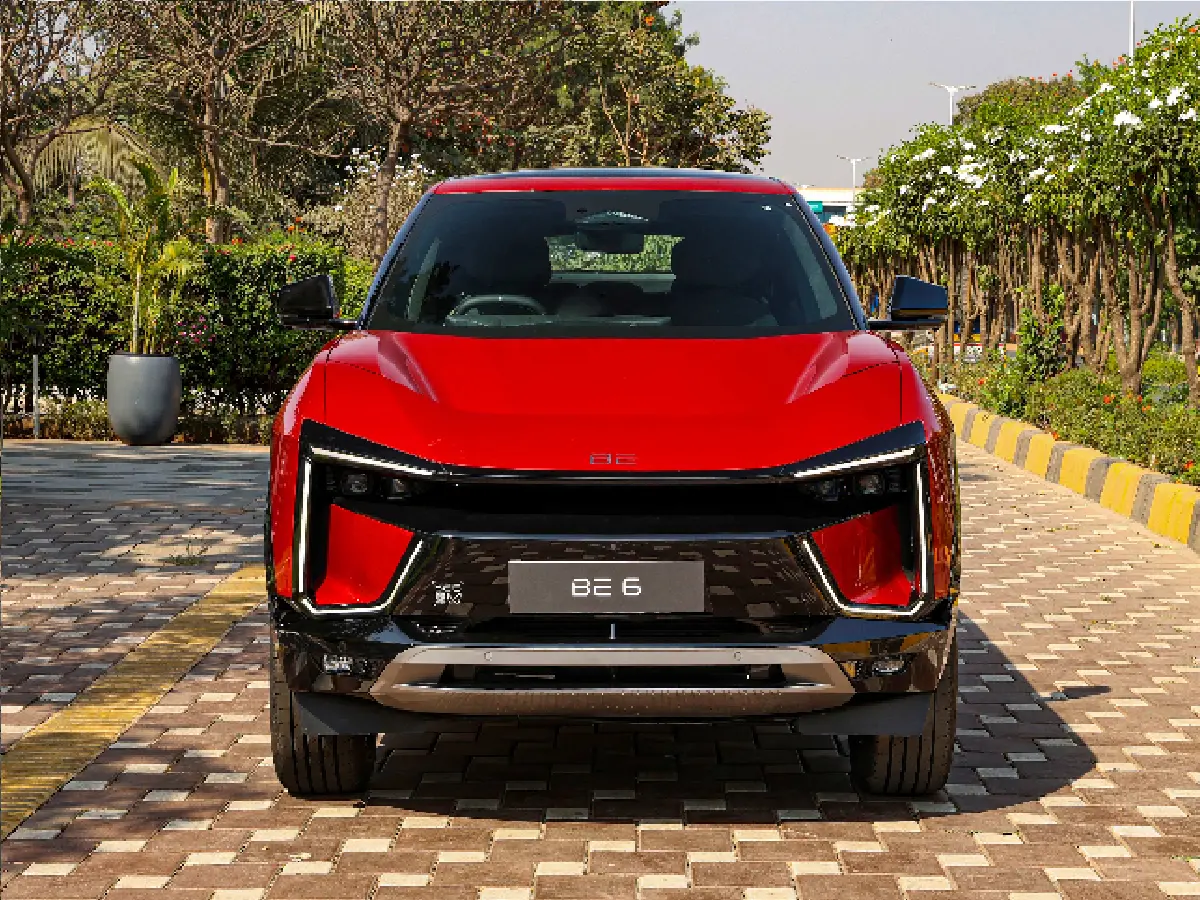
The policy introduces hard deadlines for transitioning specific segments to electric-only. From January 1, 2027, only electric three-wheelers (L5 category) will be permitted for new registration in Delhi. From April 1, 2028, only electric two-wheelers will be allowed for new registration. For schools, the policy sets fleet electrification targets: 10% electric by the end of year two, 20% by end of year three and 30% by March 31, 2030. The government fleet is also being fully transitioned, with all new hired or leased vehicles required to be electric from the date of notification.
Charging infrastructure: DTL as nodal agency
Delhi Transco Limited (DTL) has been designated as the nodal agency for deploying and overseeing all public EV charging and battery swapping infrastructure in the city. DTL will plan locations, manage load requirements, operate a dedicated digital portal and set up a single window clearance mechanism for charge point operators. A High-Powered Committee under the Chief Secretary will oversee coordination across departments. OEMs are also required to deploy at least one public charging station per dealership, with a minimum of three charging points for two and three-wheelers and two for four-wheelers.
Battery recycling and ecosystem development
The policy assigns specific responsibilities to the Delhi Pollution Control Committee for managing battery waste. This includes facilitating battery collection centres across the city under a PPP model, notifying SOPs for safe battery handling and requiring OEMs to submit periodic EPR compliance reports.
A battery traceability ecosystem using unique battery identifiers is also proposed to support refurbishment and safe second-life use. Funding for the policy will flow from a dedicated EV Fund maintained by the Transport Department, drawing from state budget allocations, central schemes, the Air Ambience Fund and the Environment Compensation Charge, among other sources.
Stay updated with all the latest happenings & developments in the automotive world by joining our official AUTOVERSE WhatsApp community. Also, don’t forget to check out our YouTube channel, AUTOVERSE by Cars24, for key details & visuals.