EV vs PHEV — Who Should Buy What?
- 1EVs work best with reliable charging access
- 2PHEVs combine electric power with a petrol engine
- 3EVs have simpler powertrains and fewer engine-related maintenance needs
- EV And PHEV: What Is The Difference?
- EV vs PHEV: Which One Fits Your Routine?
- EV vs PHEV: Pros And Cons
- EV vs PHEV Reliability: Is Simpler Better?
- EV vs PHEV Maintenance: Which Is Easier?
- What If You Don't Have Home Charging?
- What About Running Costs?
- EV vs PHEV: Who Should Buy What?
- EV vs PHEV: Which Is Better?
For an Indian car buyer, the EV vs PHEV debate isn’t really about which technology is more advanced. It is about how much you drive, where you park your car and, most importantly, where you can charge it. The last point, however, is quite easily underestimated.
If you have a fixed parking space and can charge at home, an EV can fit into daily life rather easily. The electric car gets plugged in when you return home and is ready for the next morning. That said, if charging is not convenient, or you regularly drive 300 km to 500 km in a single day, that equation changes.
A PHEV, thus, seems to provide a middle ground. It can cover everyday trips using electric power while retaining a petrol engine for longer drives. That can prove to be more than beneficial in reducing the worry of being stranded with a low or discharged battery.
However, there’s a catch: a PHEV is a sensible choice ONLY IF you can charge the car. If the battery is rarely plugged in, you are unnecessarily carrying the additional weight and complexity of a plug-in system without making full use of its biggest advantage.
EV And PHEV: What Is The Difference?
An electric vehicle (EV), or a battery electric vehicle (BEV), uses an electric motor or motors for propulsion. Given that it runs on pure electric power, a petrol engine, fuel tank or conventional exhaust system are absent in such vehicles. The battery is charged externally and also gets some energy back through regenerative braking.
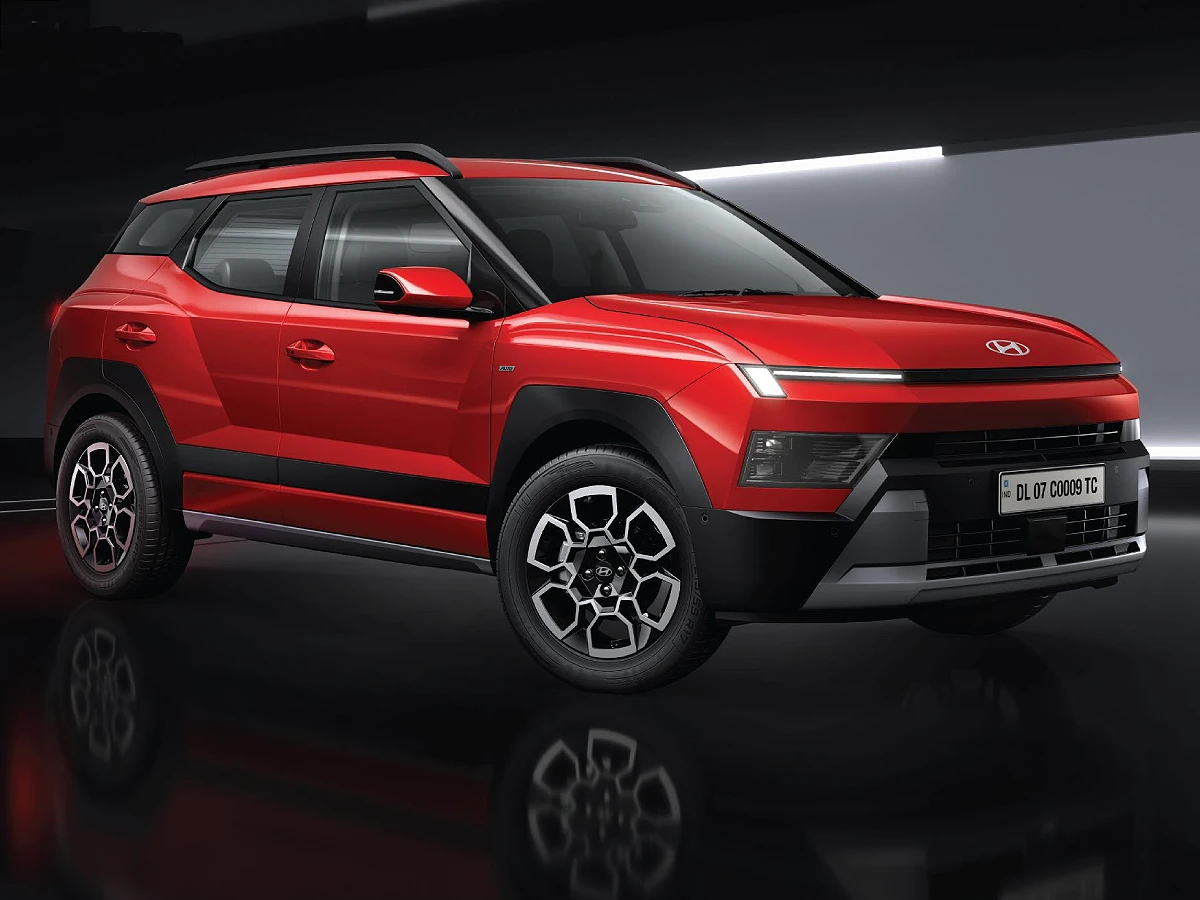
Take the Hyundai Creta Electric, for example. It is available with 42 kWh and 51.4 kWh battery packs, with the latter offering a claimed ARAI-certified range of up to 510 km. It can be charged using a portable charger, a 7.4 kW AC wallbox or a CCS2 DC fast charger.
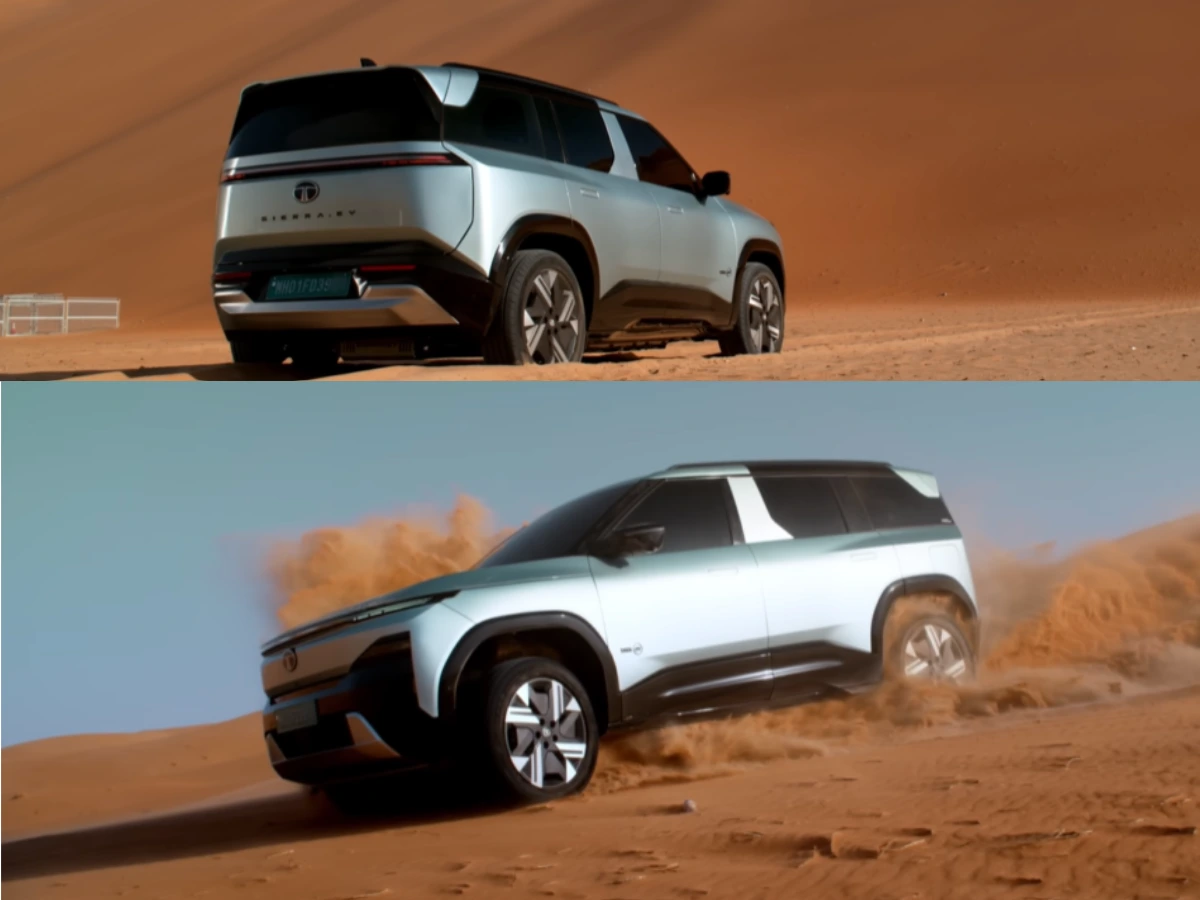
A PHEV, meanwhile, combines an electric motor and battery with an internal combustion engine. Its battery can be charged externally, allowing the car to cover part of its journey using electric power alone. When the battery's available energy is insufficient, the petrol engine can take over or work alongside the electric motor.
In simple terms, an EV asks you to make the switch to electricity completely. A PHEV lets you use electricity for a significant part of your driving while keeping a petrol engine in reserve.
That sounds like a small distinction but in everyday ownership, it isn't.
Also read: BaaS vs Non-BaaS Electric Car Purchase Model
EV vs PHEV: Which One Fits Your Routine?
To better understand which one suits your requirements the most, let’s take an example. Say you drive approximately 20 km to 30 km daily for work, errands and other city duties, and the car spends most nights parked at home. An EV can fit that routine quite naturally, provided you have a proper charging point for it. The EV will save you numerous petrol pump visits and is at your disposal once the charging is completed.
A PHEV, on the other hand, can also do the similar job. The electric motor of a PHEV is more than capable of handling short daily distances, while reserving the petrol engine for longer trips that may require more power or work from the powertrain. However, there’s a vast difference between an EV and a PHEV when the use-cases change.
For people who have a habit of taking the car out and going to unplanned or undecided destinations, the EV is one of the least suitable options, given the uncertainty and/or unavailability over charging infrastructure.
A PHEV can offer a similar experience on shorter journeys when its battery is sufficiently charged. The question that arises is what happens when that available electric energy falls. In that case, either the engine takes over or works together with the electric motor to avoid any hiccups in the driving experience.
| Parameter | EV | PHEV |
|---|---|---|
| Powertrain | Electric motor + battery | Electric motor + battery + petrol engine |
| External charging | Yes | Yes |
| Electric-only driving | Yes | Yes |
| Petrol engine | No | Yes |
| Petrol required | No | Yes, when engine is used |
| Regenerative braking | Yes | Yes |
| Long-distance backup | Charging required | Petrol engine |
| Powertrain complexity | Lower | Higher |
| Charging dependency | Higher | Lower |
| Best suited to | Predictable usage with charging access | Electric commuting with frequent long-distance travel |
EV vs PHEV: Pros And Cons
The two powertrains come with very different trade-offs. An EV prioritises simplicity and zero petrol usage, while a PHEV gives up some of that simplicity in exchange for greater flexibility on longer journeys.
| EV | PHEV | |
|---|---|---|
| Pros | No petrol or diesel required; simpler electric powertrain; fewer engine-related maintenance requirements; quiet and smooth operation; well suited to predictable city driving with charging access | Electric-only driving for shorter trips; petrol engine provides additional flexibility on long journeys; less dependent on public charging infrastructure; can suit buyers with mixed city and highway usage |
| Cons | Greater dependence on charging infrastructure; long journeys require more charging planning; home/workplace charging is highly desirable for convenient ownership | More complex powertrain; retains engine-related maintenance; still requires petrol when the engine is used; benefits of the plug-in system diminish if the owner rarely charges it |
EV vs PHEV Reliability: Is Simpler Better?

One aspect that is particularly interesting for EVs and PHEVs is the reliability. Since an EV is made of fewer major mechanical components, the number of components involved in moving the car are down by a significant margin compared to an ICE vehicle. That should ideally help save up costs in a big way when the car goes for service, and hence its maintenance is on the relatively lower side.
On the flip side, a PHEV has to combine two propulsion systems. It generally has the electric motor and internal combustion engine working either individually or together depending on the driving situation.
While that extra hardware doesn't mean that every PHEV will be less reliable than an EV, it remains to be seen how its components and other systems play out in terms of reliability and maintenance in the long run.
EV vs PHEV Maintenance: Which Is Easier?
The difference becomes more straightforward when maintenance is considered. An EV doesn't have engine oil, spark plugs, an engine oil filter or the same fuel-system components as a petrol-powered car. That doesn't mean it is maintenance-free. Tyres, brakes, suspension, air-conditioning, fluids and battery-related systems still need attention.
Hyundai's current maintenance schedules for models such as the Creta Electric and IONIQ 5 include items such as coolant, air filters and brake fluid, showing that an EV still has a conventional maintenance schedule – just a different one. A PHEV retains those electric-vehicle systems while also retaining the maintenance requirements of its combustion engine. So, when comparing EV vs PHEV maintenance, the EV has the advantage in terms of powertrain-related servicing simply because there is no combustion engine to maintain.
What If You Don't Have Home Charging?
This could be one of the most important questions to ask before buying an EV. An EV doesn't necessarily require a private home charger, but not having convenient access to charging changes the ownership equation considerably. You become more dependent on public charging infrastructure and need to plan around it. A PHEV gives you another option. If charging isn't available, you can continue using petrol.
However, there is a catch. If you have no practical way to charge the car and rarely use its electric mode, the reason for choosing a PHEV becomes less compelling. So before comparing battery sizes, charging speeds or claimed electric ranges, ask a much simpler question: Where will I charge the car?
What About Running Costs?
The running-cost equation is similarly dependent on usage. An EV uses electricity whenever it is driven, while a PHEV can use either electricity or petrol depending on how it is operated. A PHEV that is charged regularly and covers most short trips on electric power can make good use of its plug-in capability.
But a PHEV that spends most of its life running on petrol is a different proposition. This is why quoting a single “EV vs PHEV running cost” figure can be misleading. Electricity tariffs, petrol prices, charging habits, driving conditions and the proportion of kilometres covered all matter electrically. The same PHEV can therefore make very different financial sense for two owners with completely different driving patterns.
EV vs PHEV: Who Should Buy What?
An EV makes more sense if:
- Most of your driving is in the city
- Your daily distance is reasonably predictable
- You have reliable access to home or workplace charging
- You are comfortable planning longer journeys around charging
- You want to eliminate petrol altogether
- You prefer a simpler propulsion system
A PHEV makes more sense if:
- Your daily commute is relatively short
- You can charge the vehicle regularly
- You frequently undertake long-distance journeys
- You want to use electric power for everyday driving but retain a petrol engine for longer trips
- You don't want your road-trip plans to depend entirely on charging infrastructure
- You are comfortable with the additional mechanical complexity
There is also a third category: buyers who simply aren't sure. If your driving pattern is unpredictable, charging access is poor and long-distance travel is frequent, neither technology should be chosen purely because it appears more advanced. Your actual usage should determine whether the compromises are acceptable.
EV vs PHEV: Which Is Better?
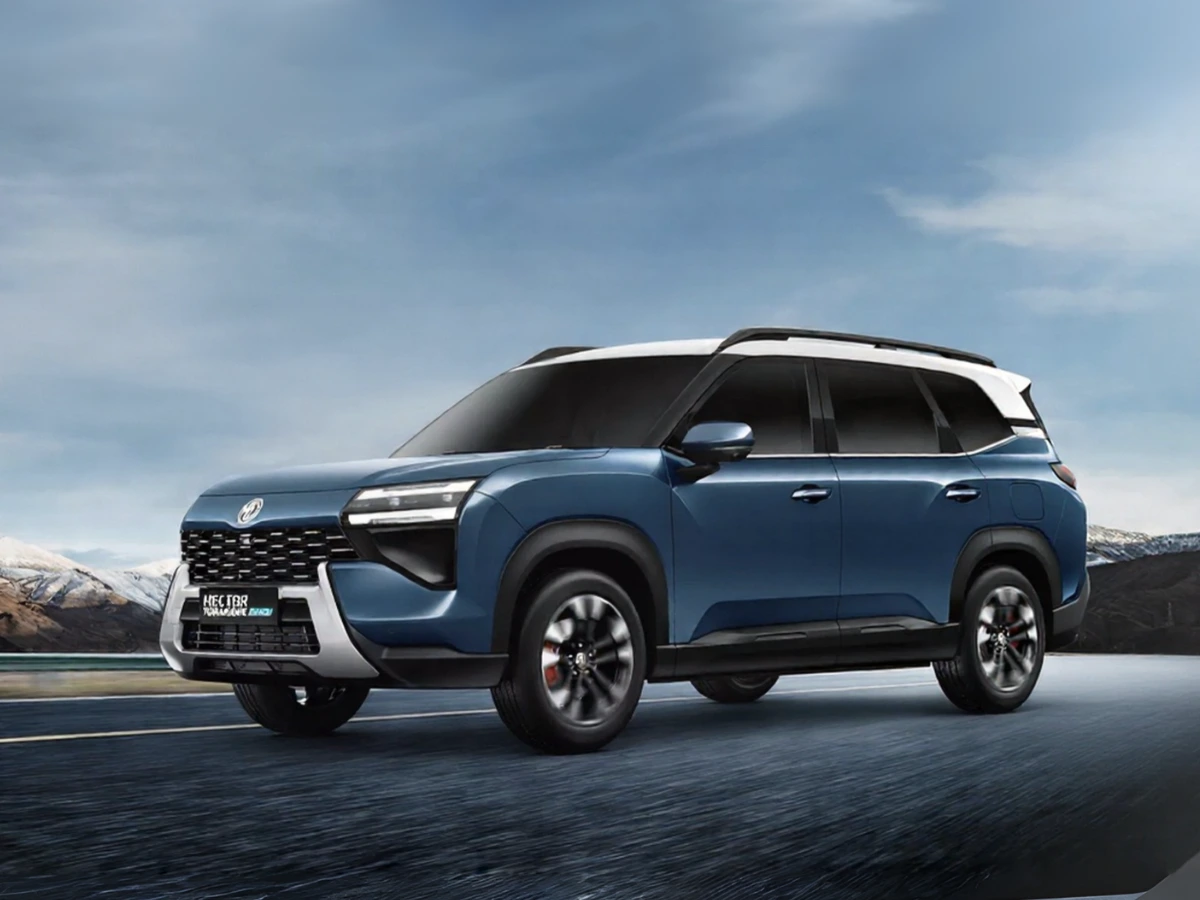
There isn't a universal answer to the EV vs PHEV which is a better question, because the two aren't really trying to solve exactly the same problem. An EV is a cleaner break from the conventional car. It removes petrol from everyday ownership and has a simpler propulsion system, but it places greater importance on charging access and trip planning.
A PHEV takes a more conservative approach. It allows you to use electric power for shorter journeys while retaining a petrol engine when circumstances demand it. The price of that flexibility is a more complicated powertrain and the need to maintain both sides of the system. For someone with dependable charging and a predictable daily routine, an EV can be a very natural fit.
For someone who wants electric commuting but regularly drives long distances and values the security of a petrol engine, a PHEV may fit the lifestyle better. The important thing is not to choose between EV and PHEV based on which technology sounds more sophisticated.
Look at your parking situation, your weekday commute, your weekend driving, your access to charging and the number of long trips you actually make. The right powertrain is the one that works with that routine rather than the one that looks best on a specification sheet.